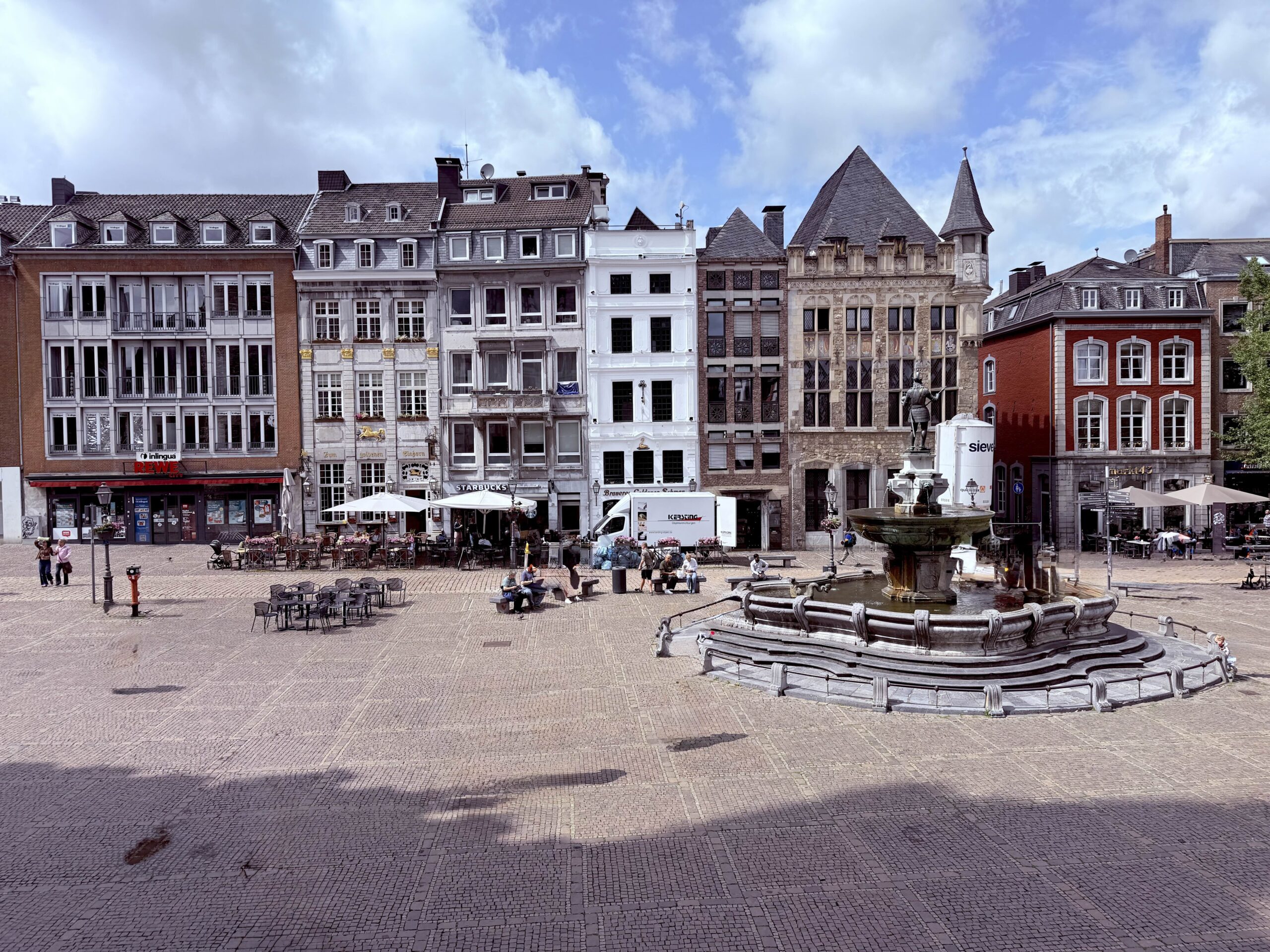
Tucked into the tri-border region between Belgium and the Netherlands, Aachen is a city steeped in steamy springs and imperial swagger. Once the favored playground of Charlemagne, Aachen served as the capital of his empire. The city later hosted the coronations of 30 German kings. Its jaw-dropping cathedral, a UNESCO World Heritage Site, still wears its medieval bling with pride. You can walk through Aachen’s Ancient Imperial Charm today.
But don’t let the history intimidate you. Because this city knows how to balance grandeur with gemütlichkeit. Gothic grandeur, Roman ruins, and the sweet scent of spicy Printen cookies waft through the alleys. With its mix of Gothic grandeur, Baroque flair, Aachen is where history soaks into every stone. Let’s explore Aachen…
Aachen’s Ancient Imperial Charm: Town Hall (Rathaus)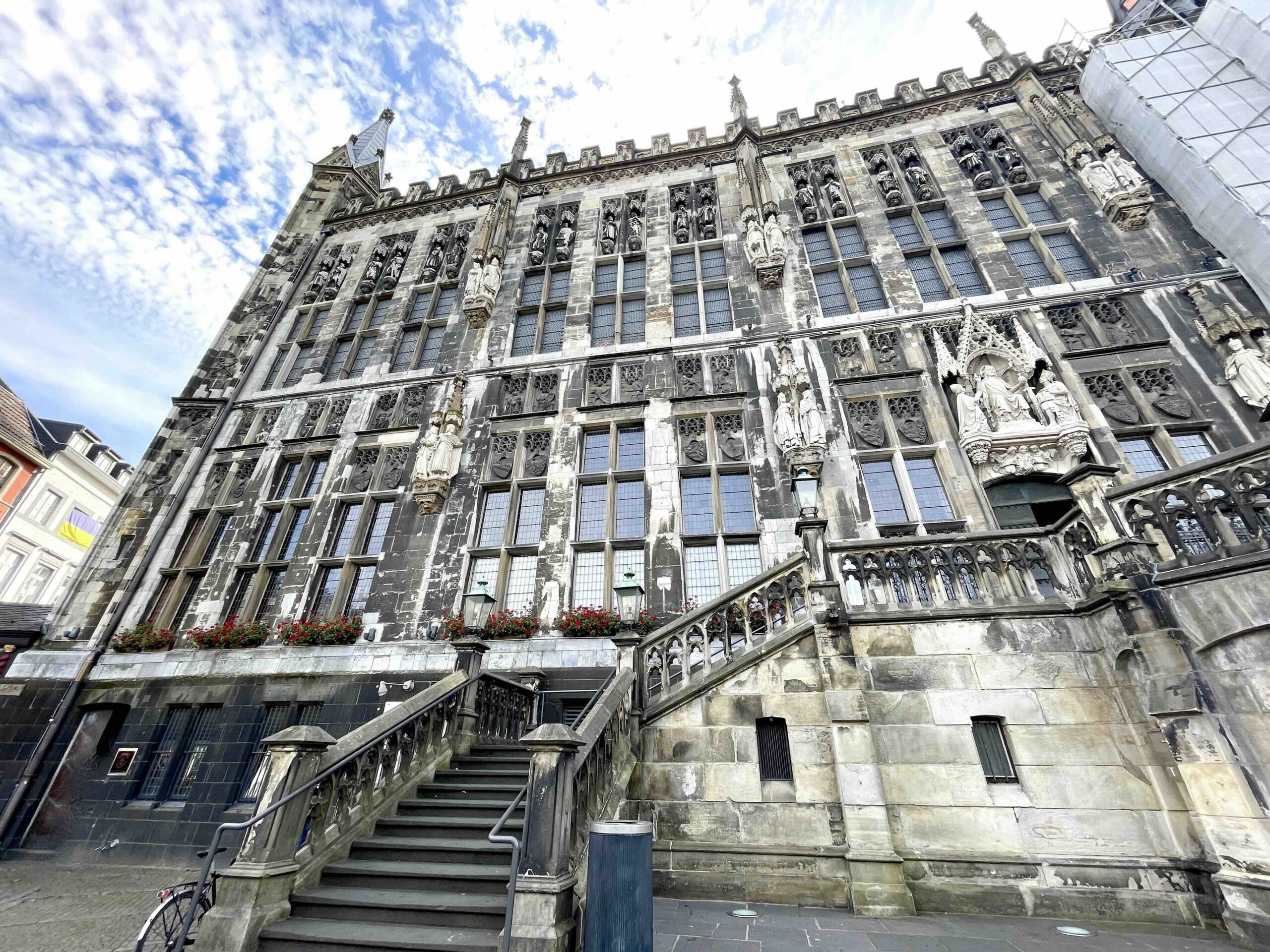
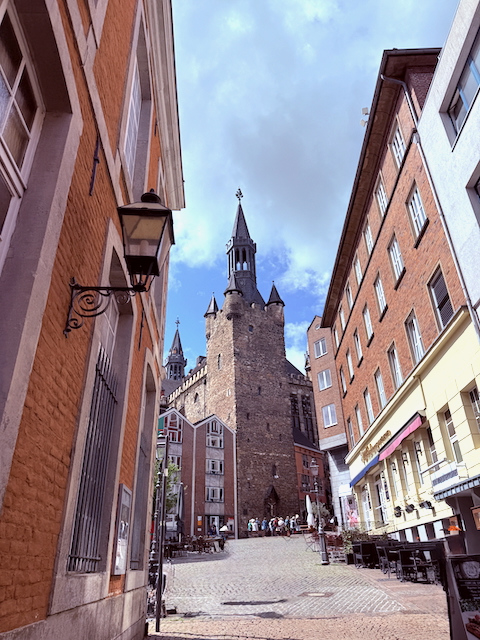
Aachen’s City Hall (Rathaus) is nearly 700 years old, with construction beginning in 1330. It rests on the foundations of Charlemagne’s former palace. This striking Gothic structure has witnessed centuries of European history, along with more than a few royal feasts.
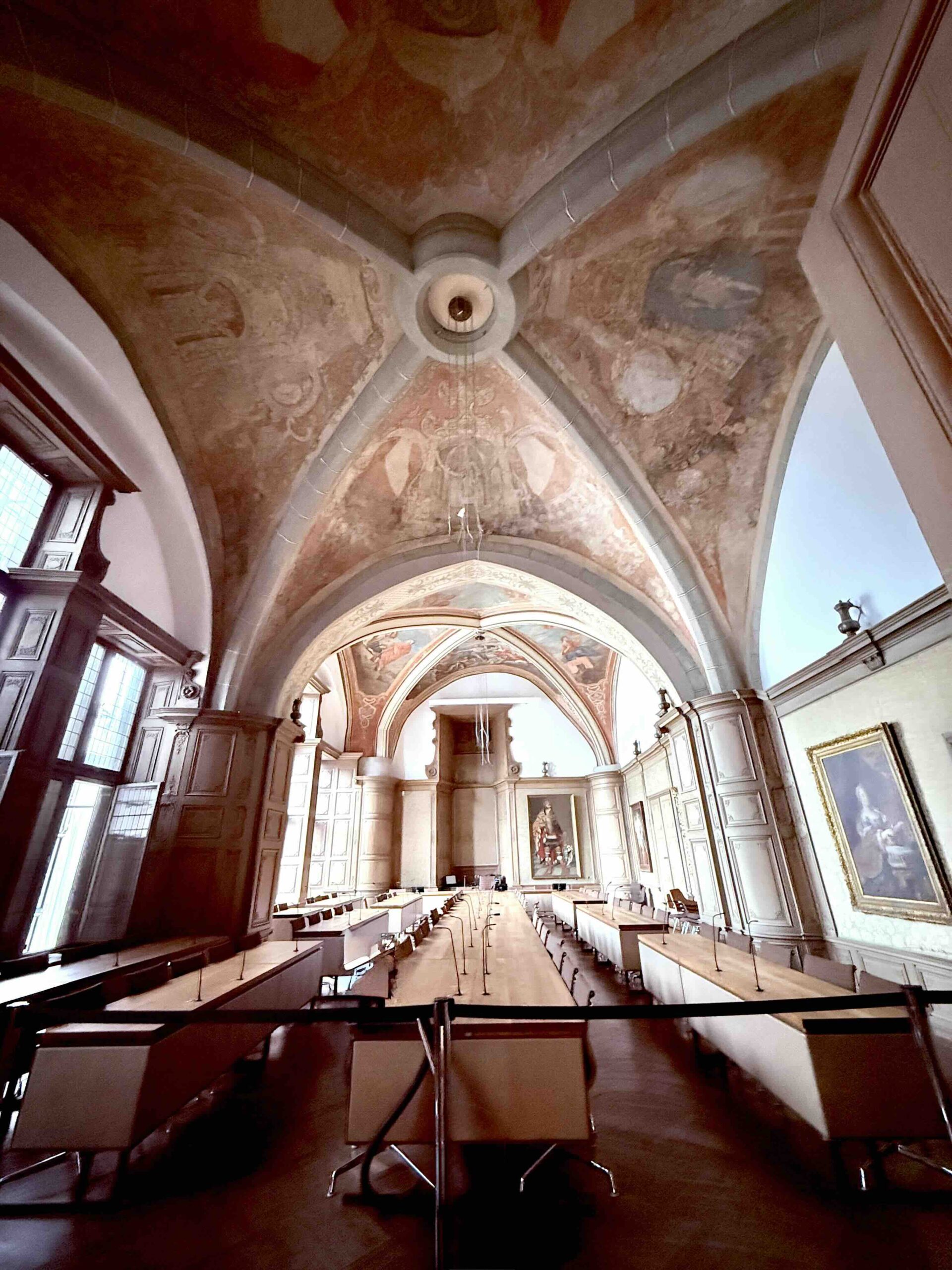
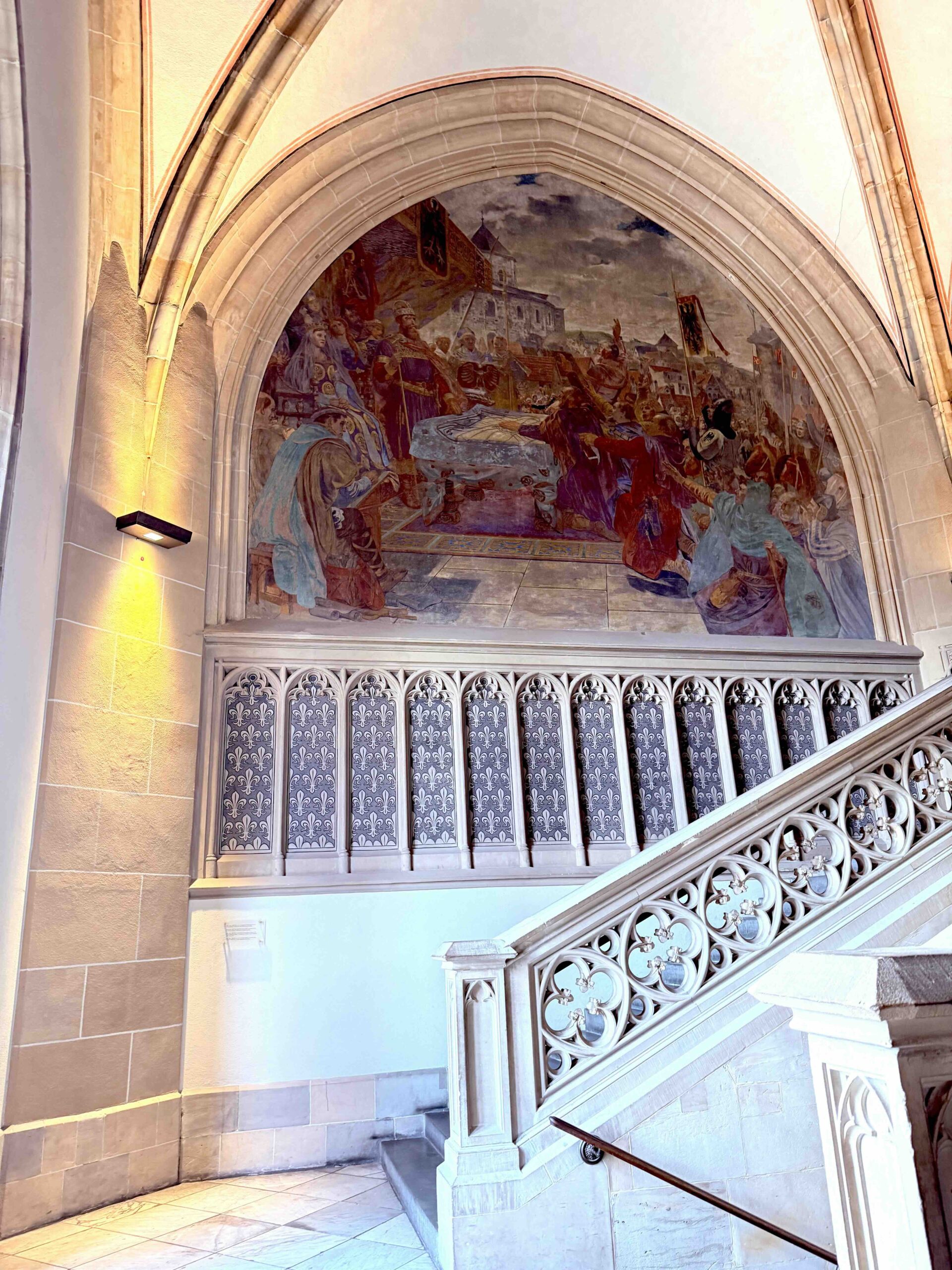
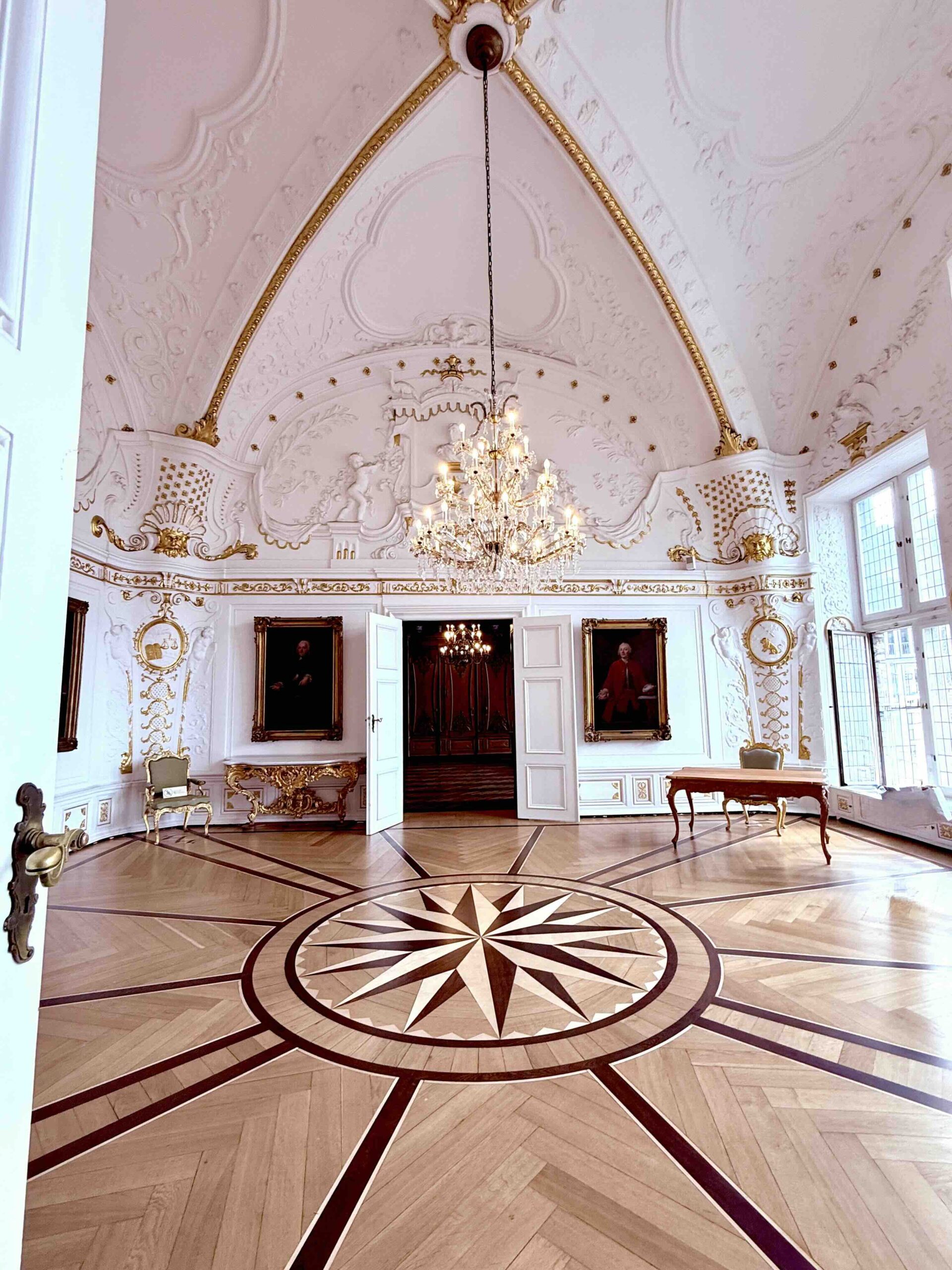
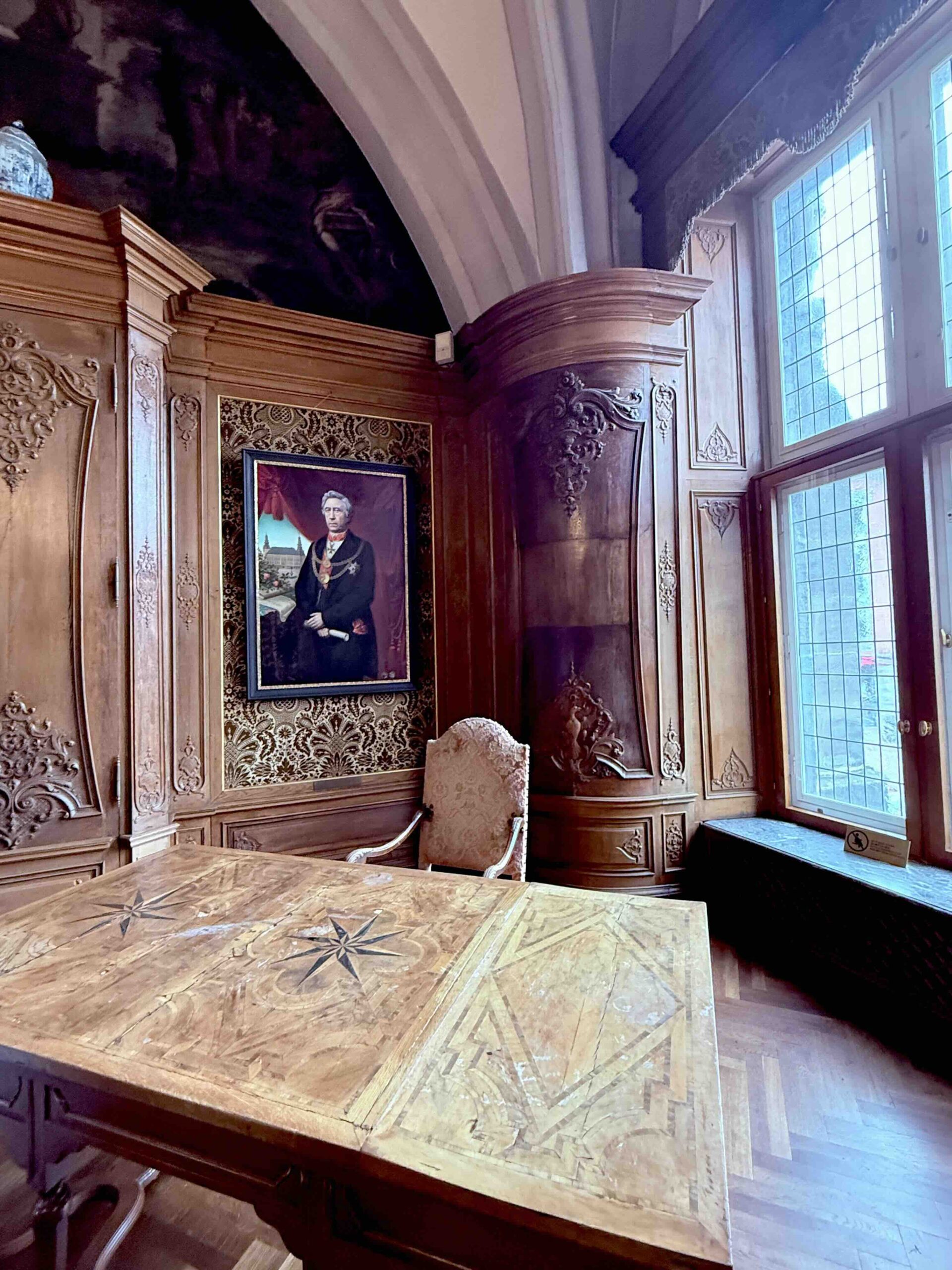
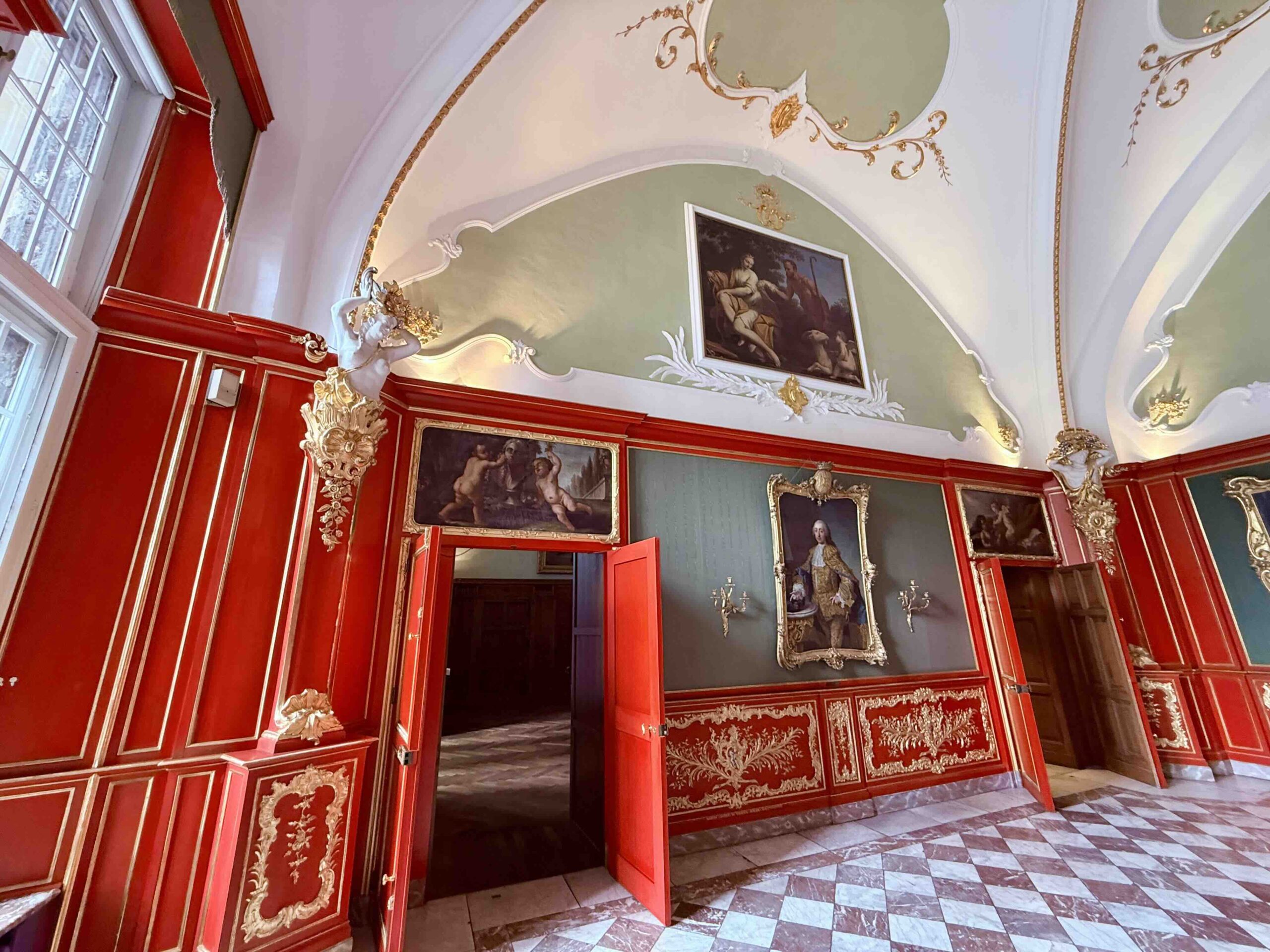
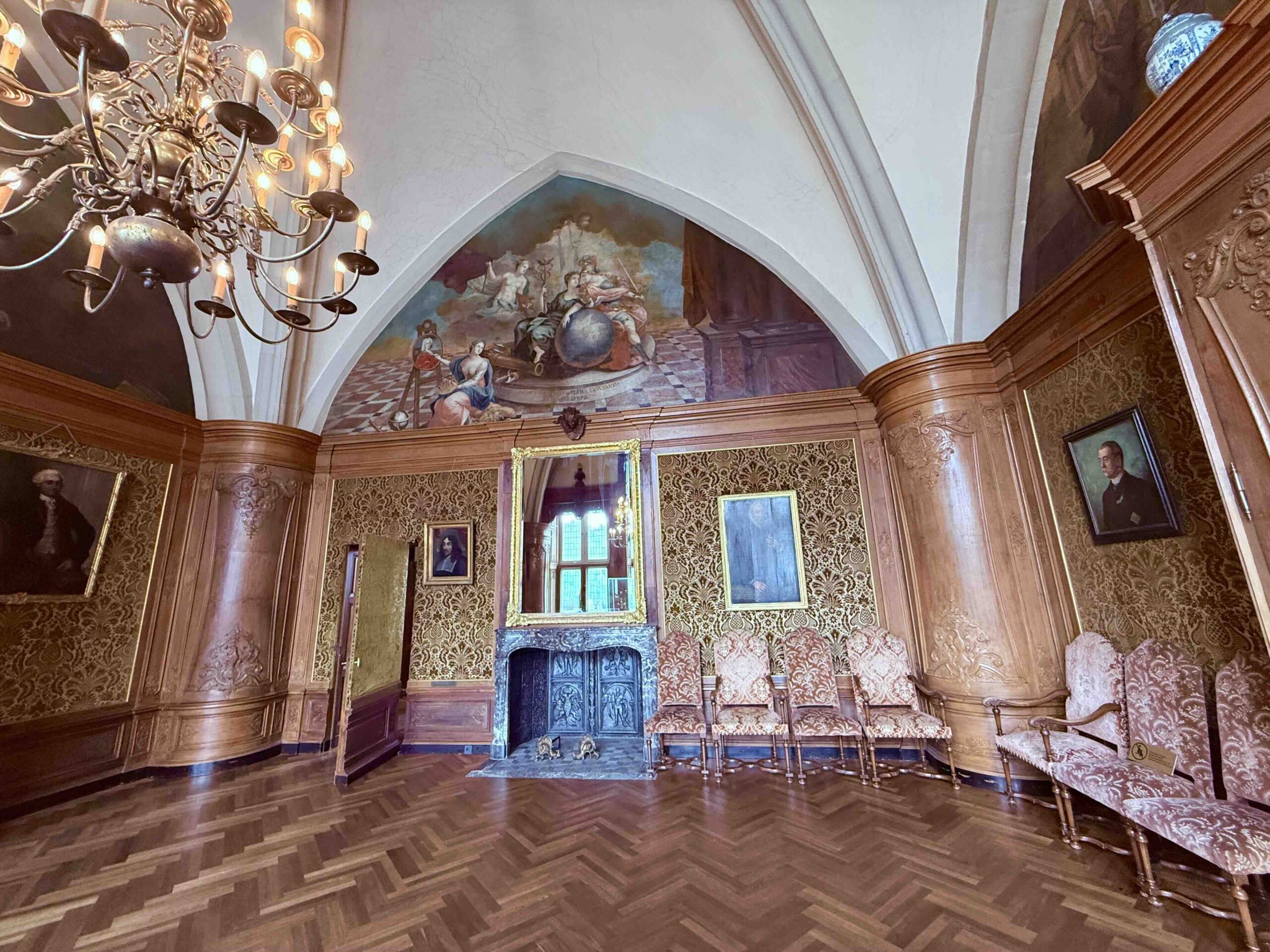
The Rathaus also features smaller rooms and chambers, each with its unique historical character. The White Hall and the Peace Hall are notable for their ornate stucco work and period furnishings.
One of the most prestigious events held here annually is the awarding of the International Charlemagne Prize of Aachen (Karlspreis). Named after Charlemagne (Karl der Große in German), this prize has been awarded since 1950. It is bestowed upon individuals or institutions that promote European unity and peace. Past laureates include Winston Churchill, Angela Merkel, and even Pope Francis.
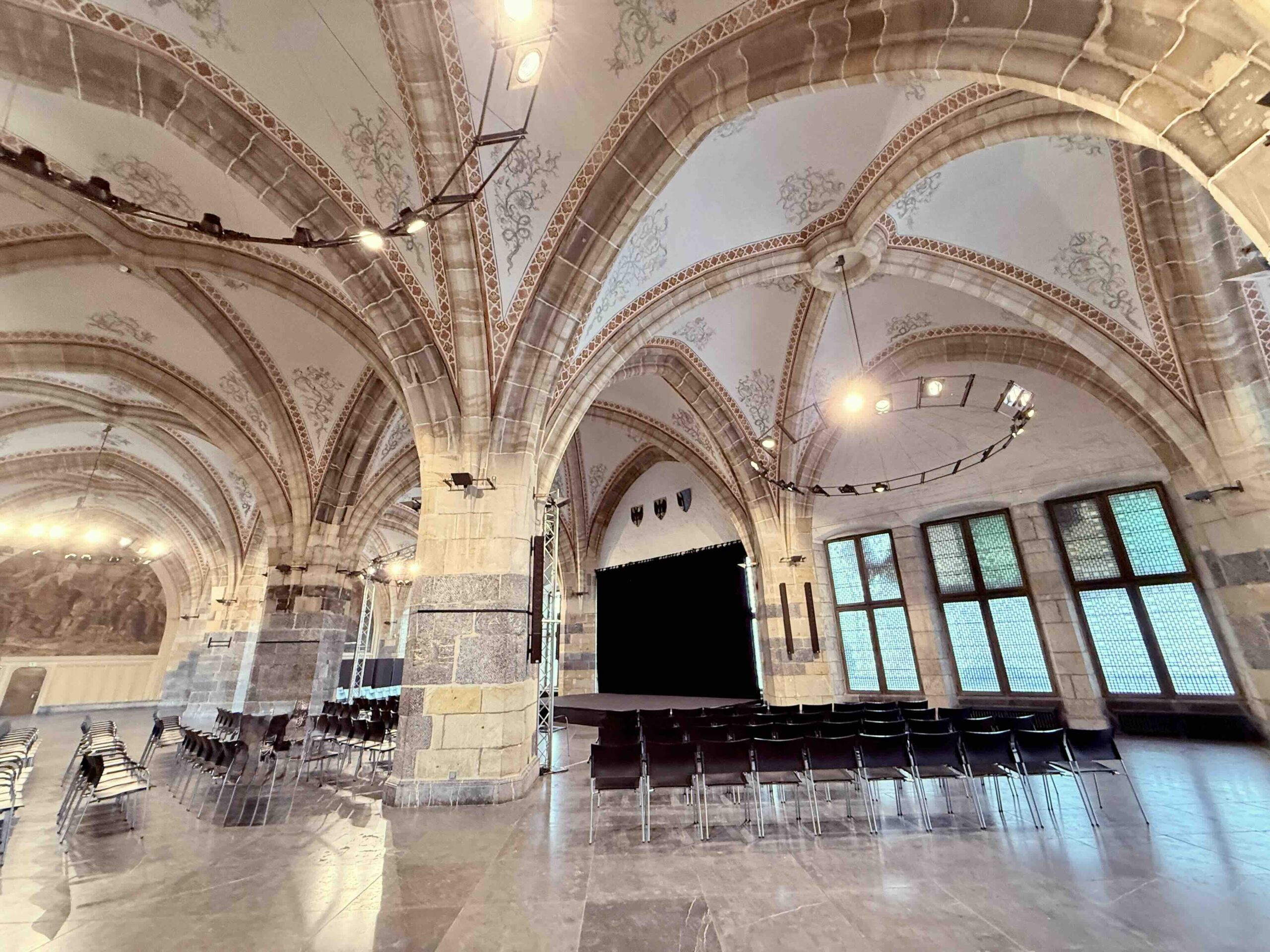
The ceremony takes place in the Coronation Hall (Krönungssaal). The space dazzles with soaring frescoes depicting scenes from Charlemagne’s life. This grand space hosted lavish banquets for the newly crowned kings of the Holy Roman Empire. Right after their coronations at the nearby Aachen Cathedral.
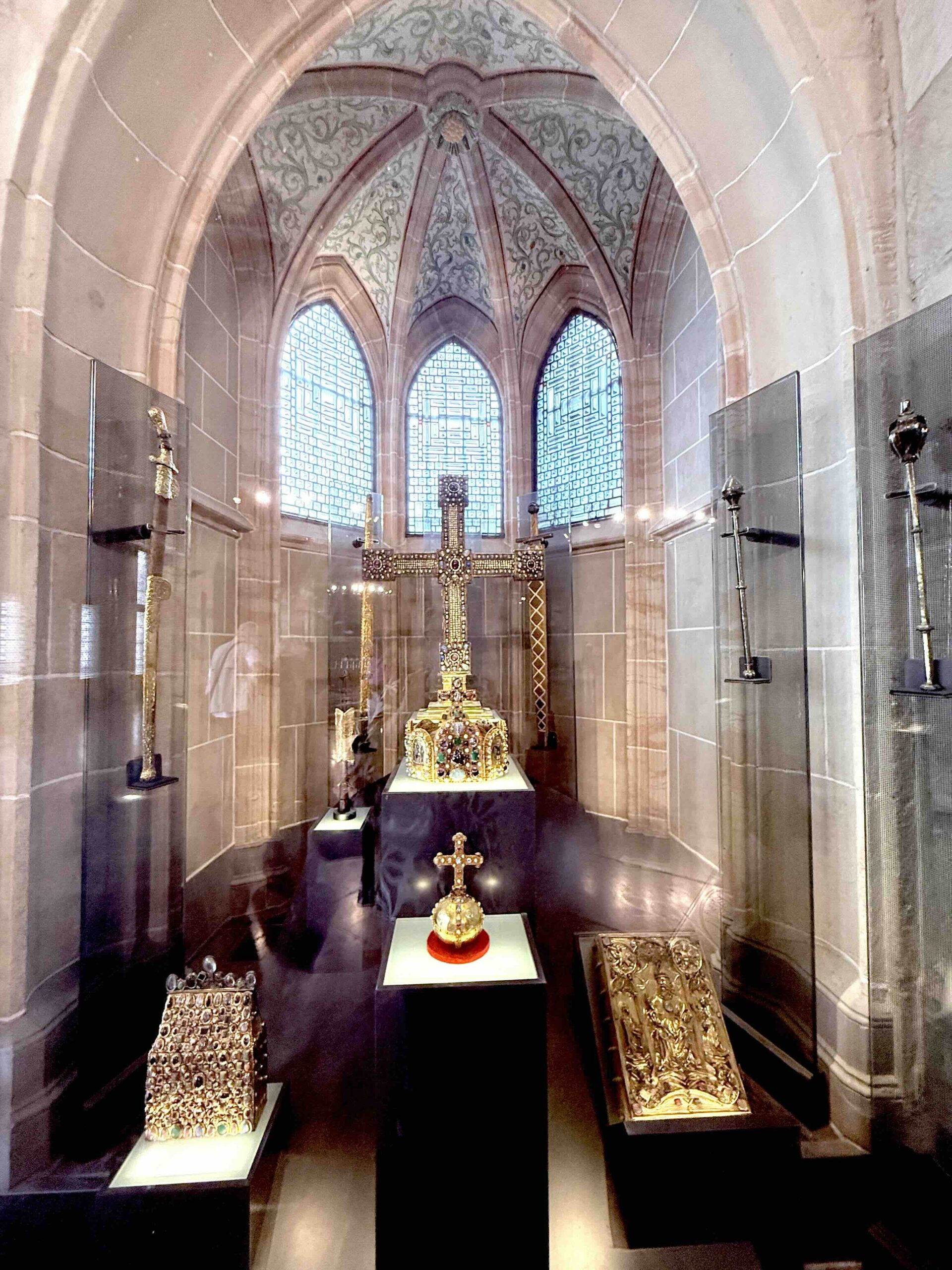
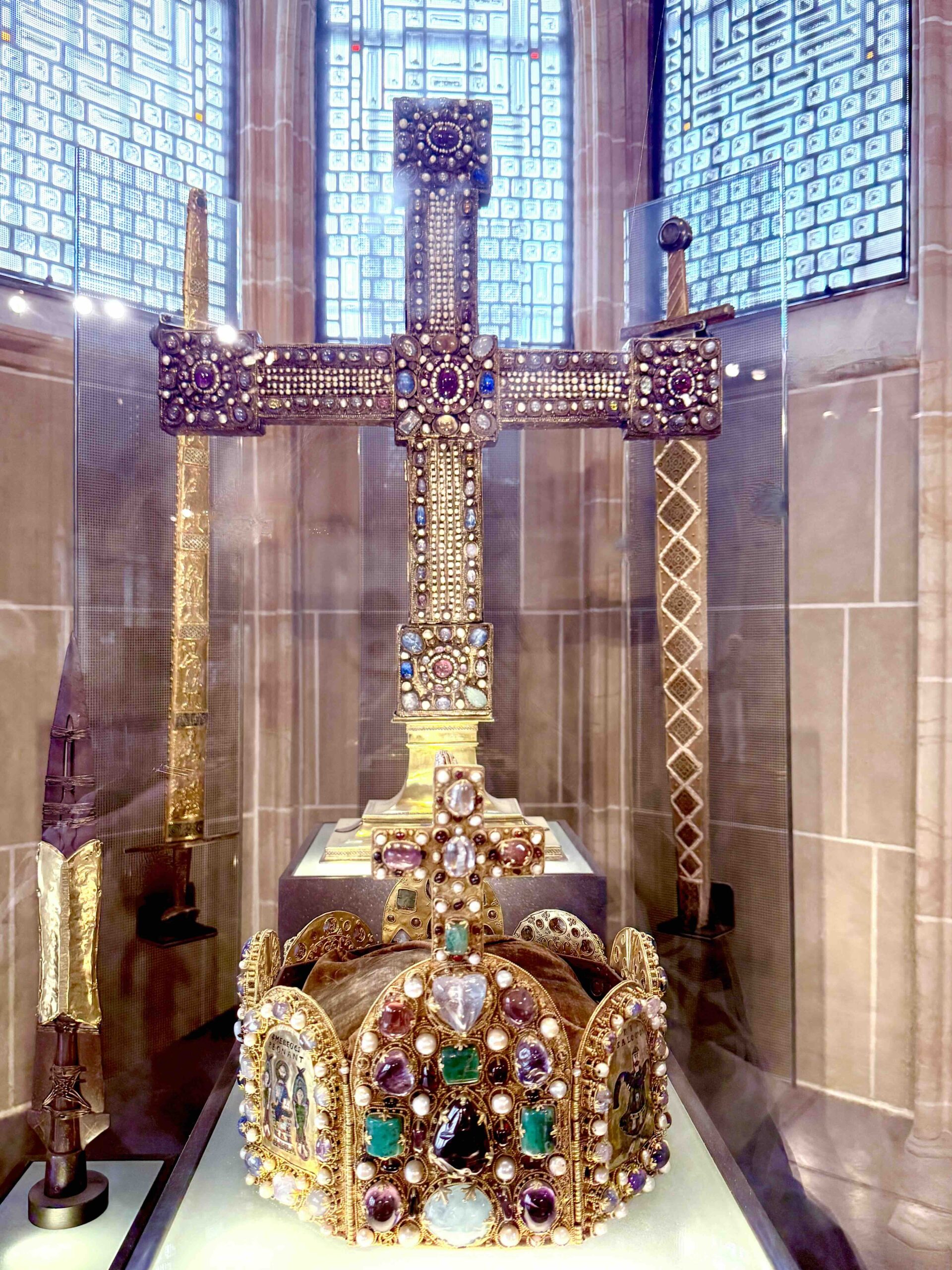
Here you also find replicas of the imperial regalia, including the crown, orb, and scepter.
Address: Markt, 52062 Aachen
Phone: 0241 4327310
Hours:
Monday 10 am–5:30 pm
Tuesday 10 am–5:30 pm
Wednesday 10 am–5:30 pm
Thursday 10 am–5:30 pm
Friday 10 am–5:30 pm
Saturday 10 am–5:30 pm
Sunday 10 am–5:30 pm
Couven Museum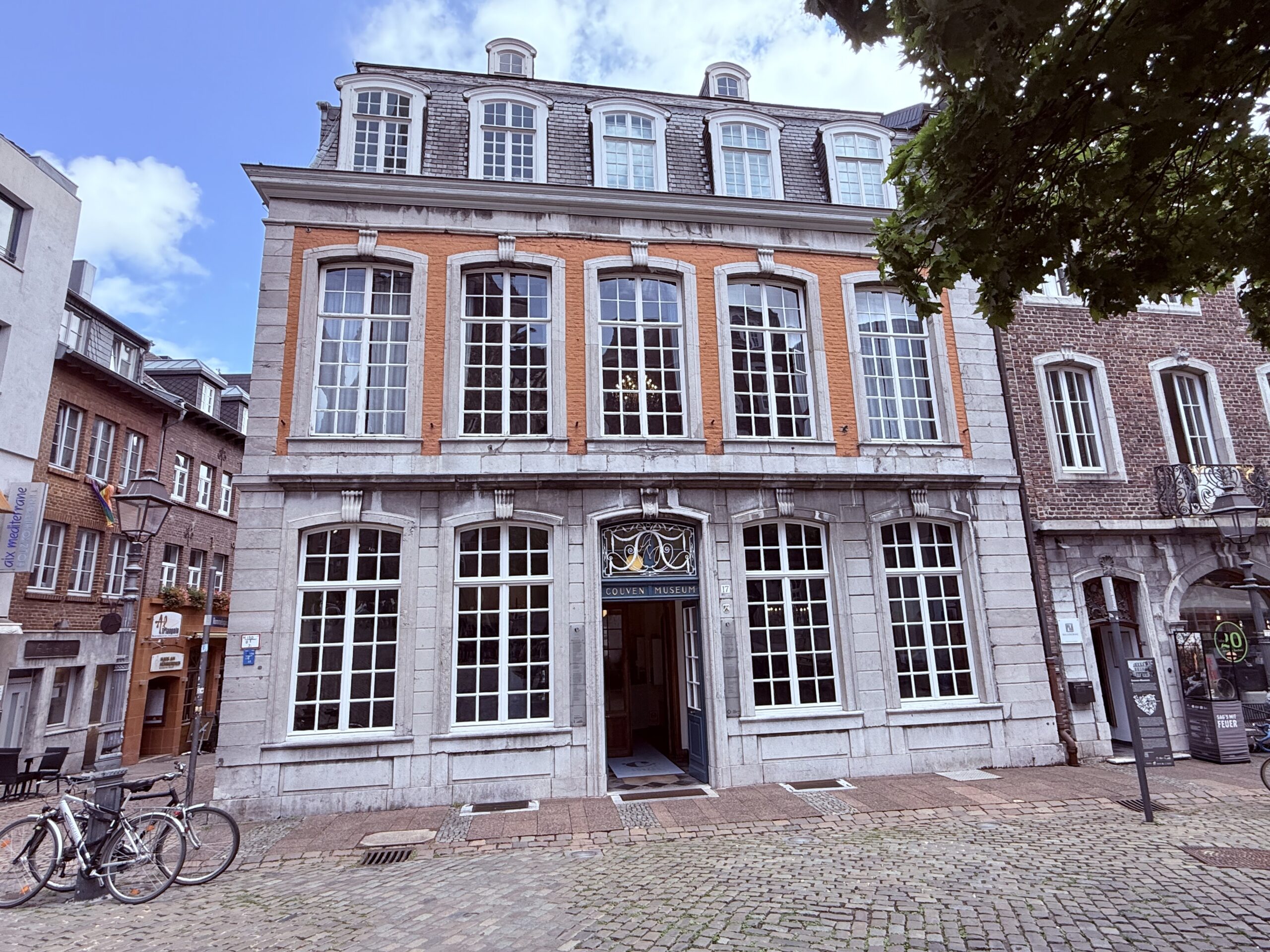
Amid the storybook streets of Aachen’s old town, the Couven Museum is a time capsule of 18th- and 19th-century bourgeois life. With a Rococo twist and a chocolatey surprise.
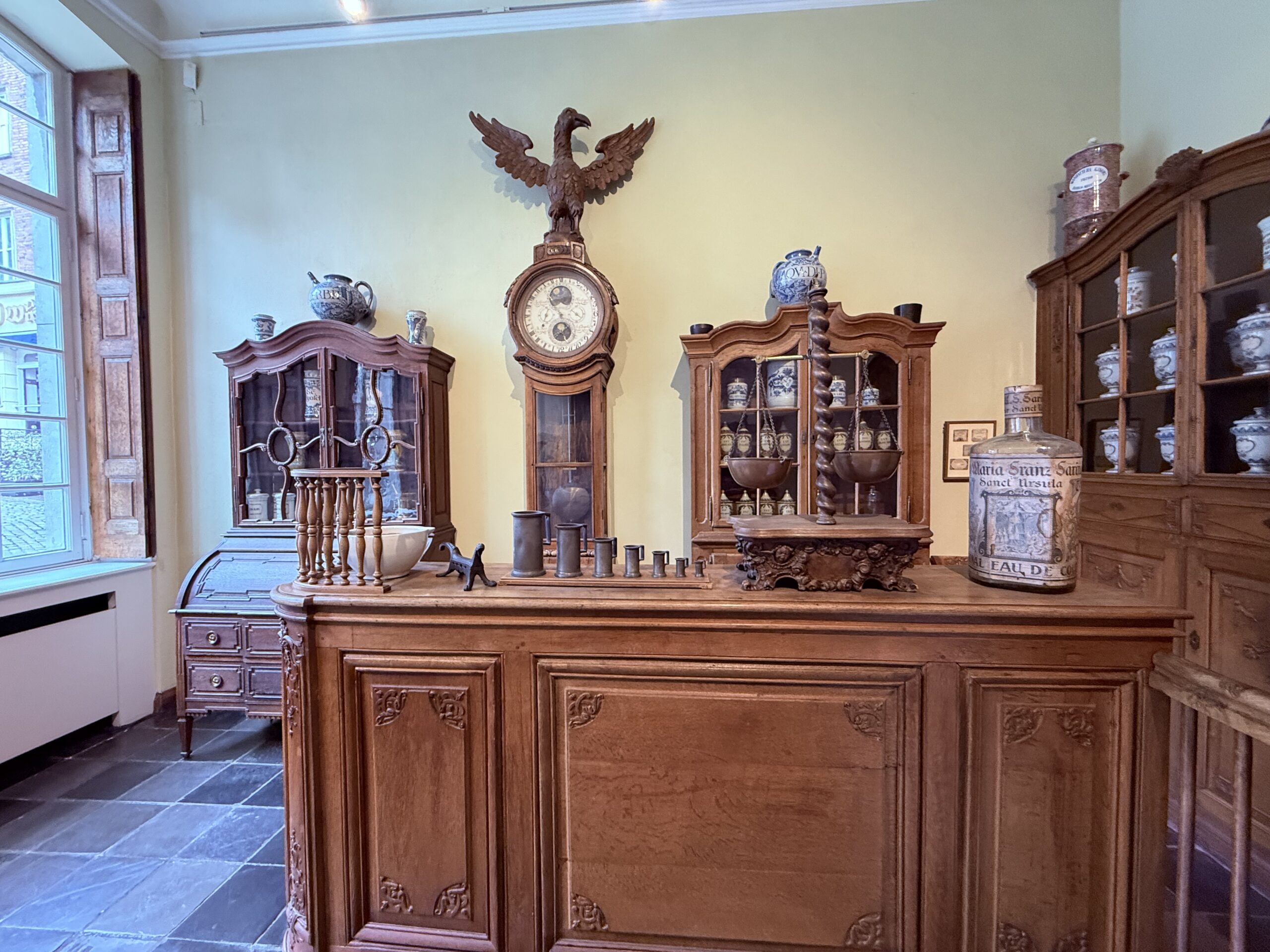
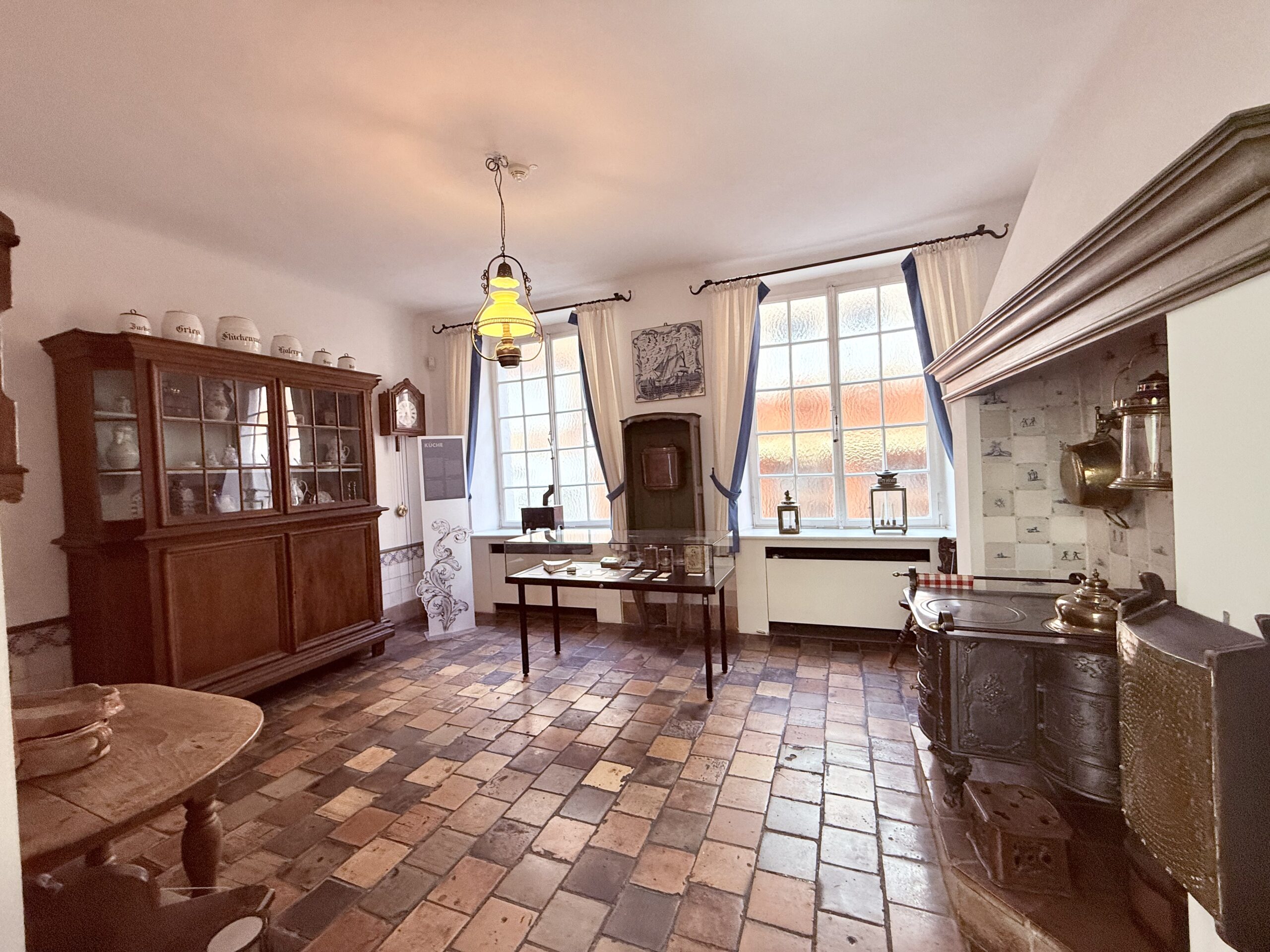
Housed in the elegant Haus Monheim, this former apothecary turned museum invites you to wander through lavish salons and a perfectly preserved kitchen. This is where Germany’s first chocolate bar was once crafted.
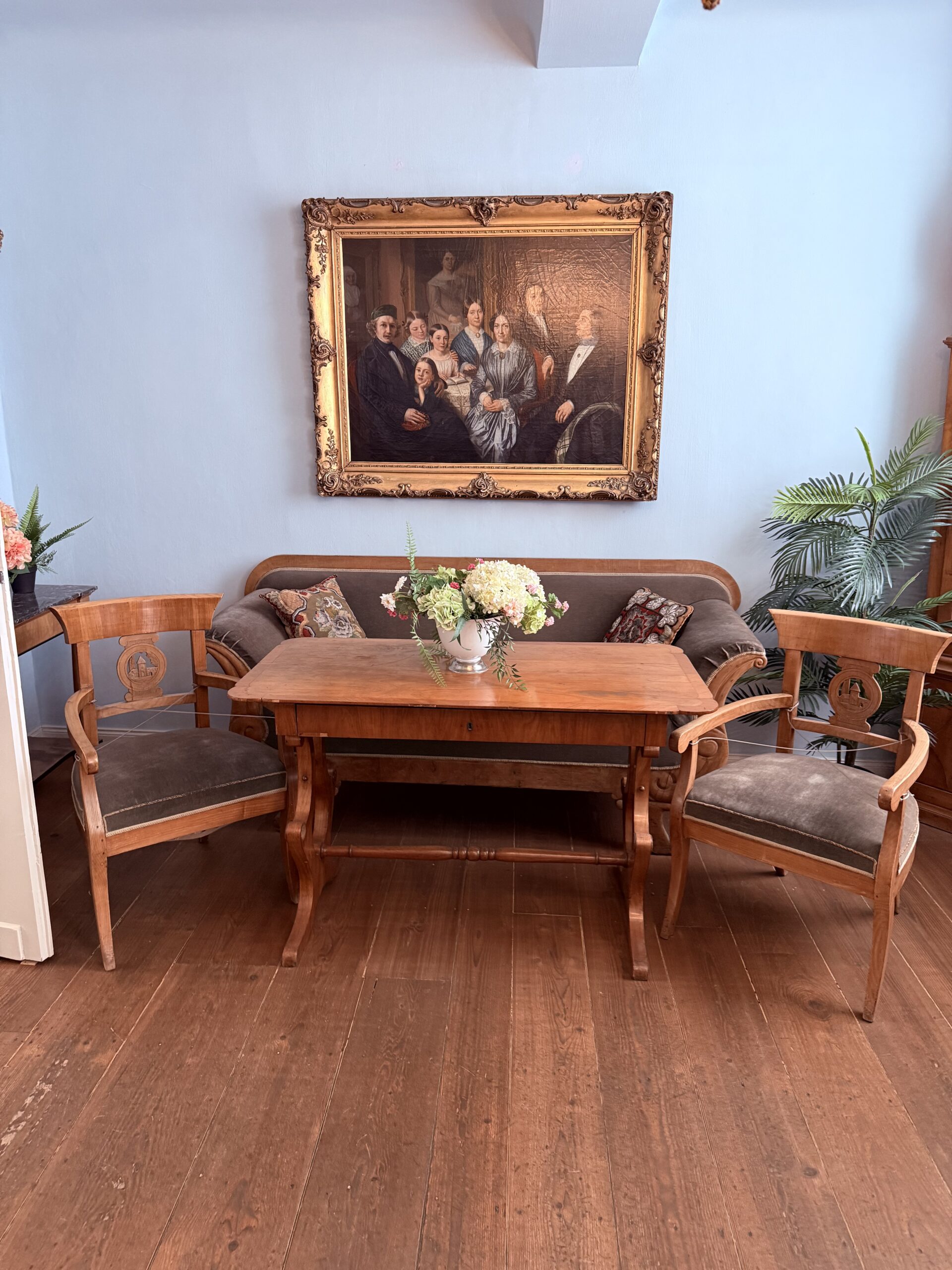
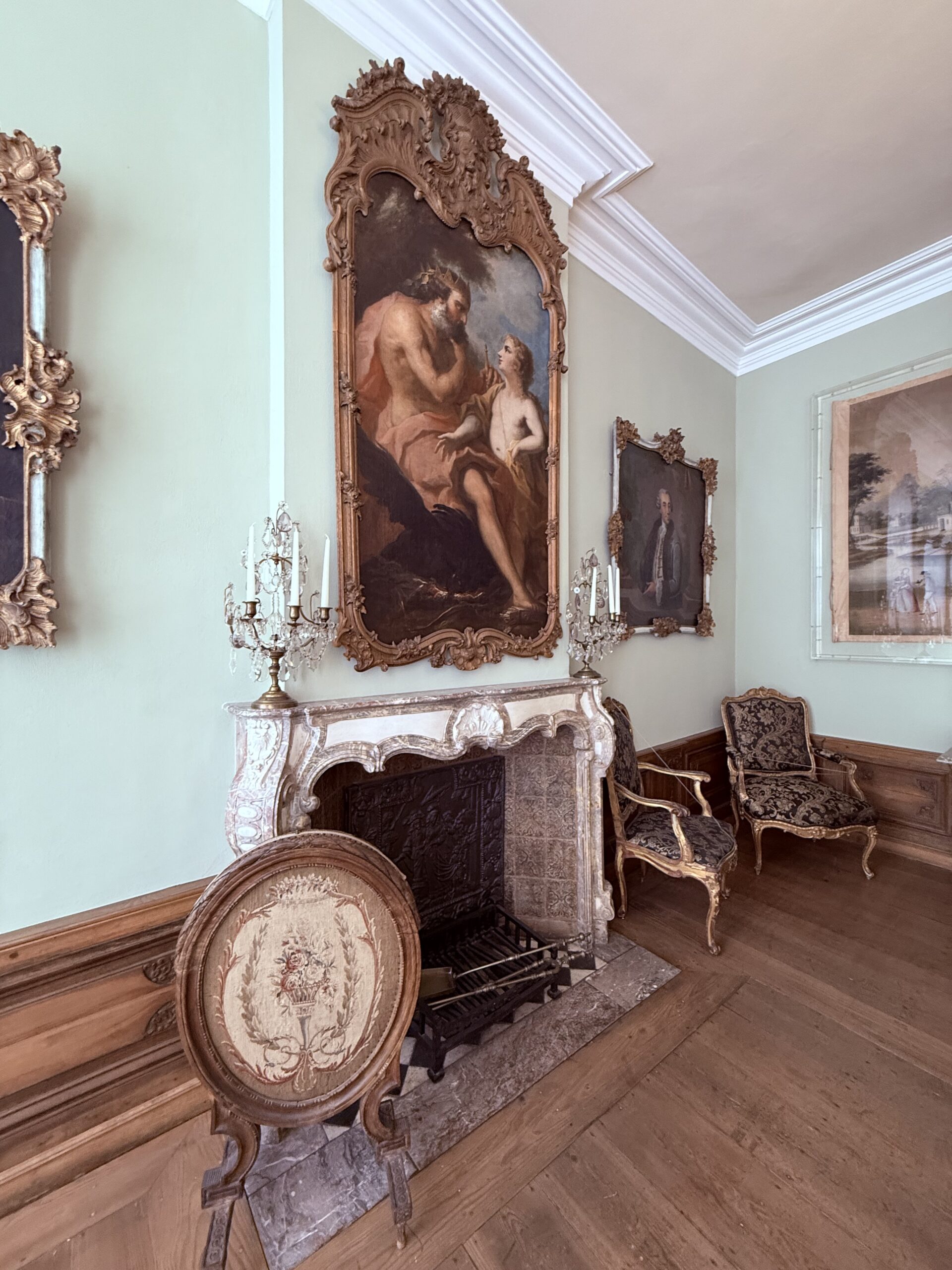
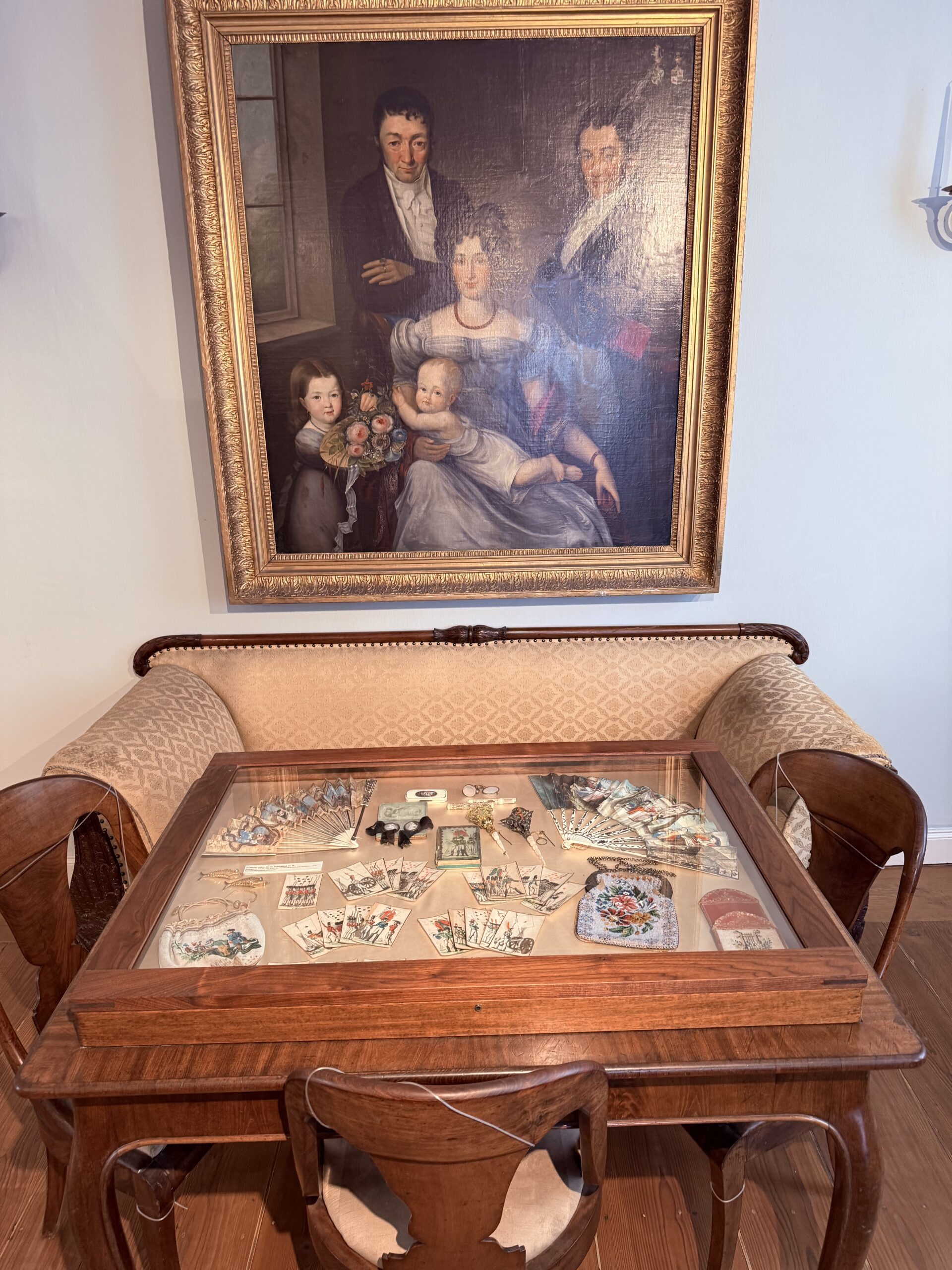
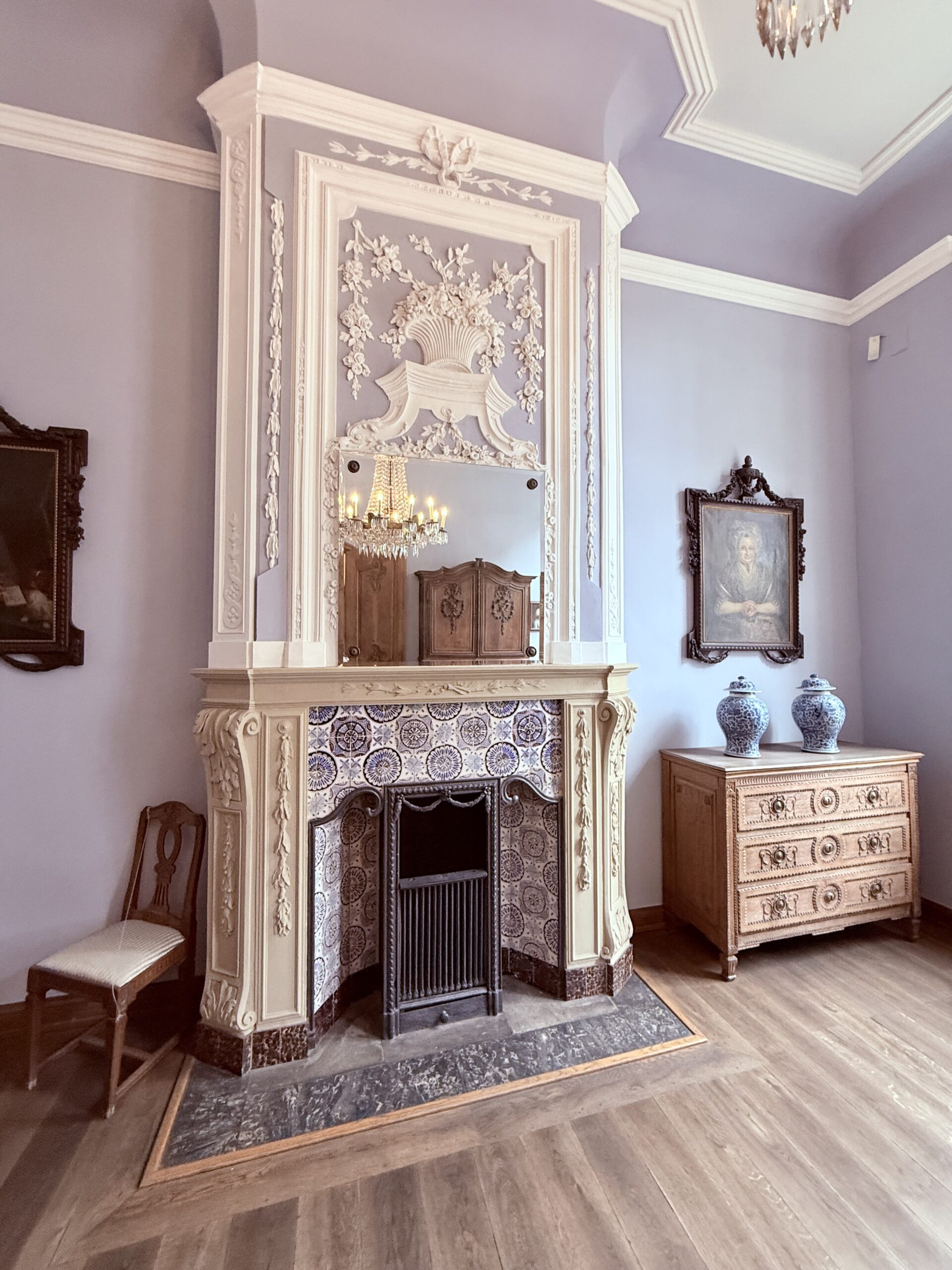
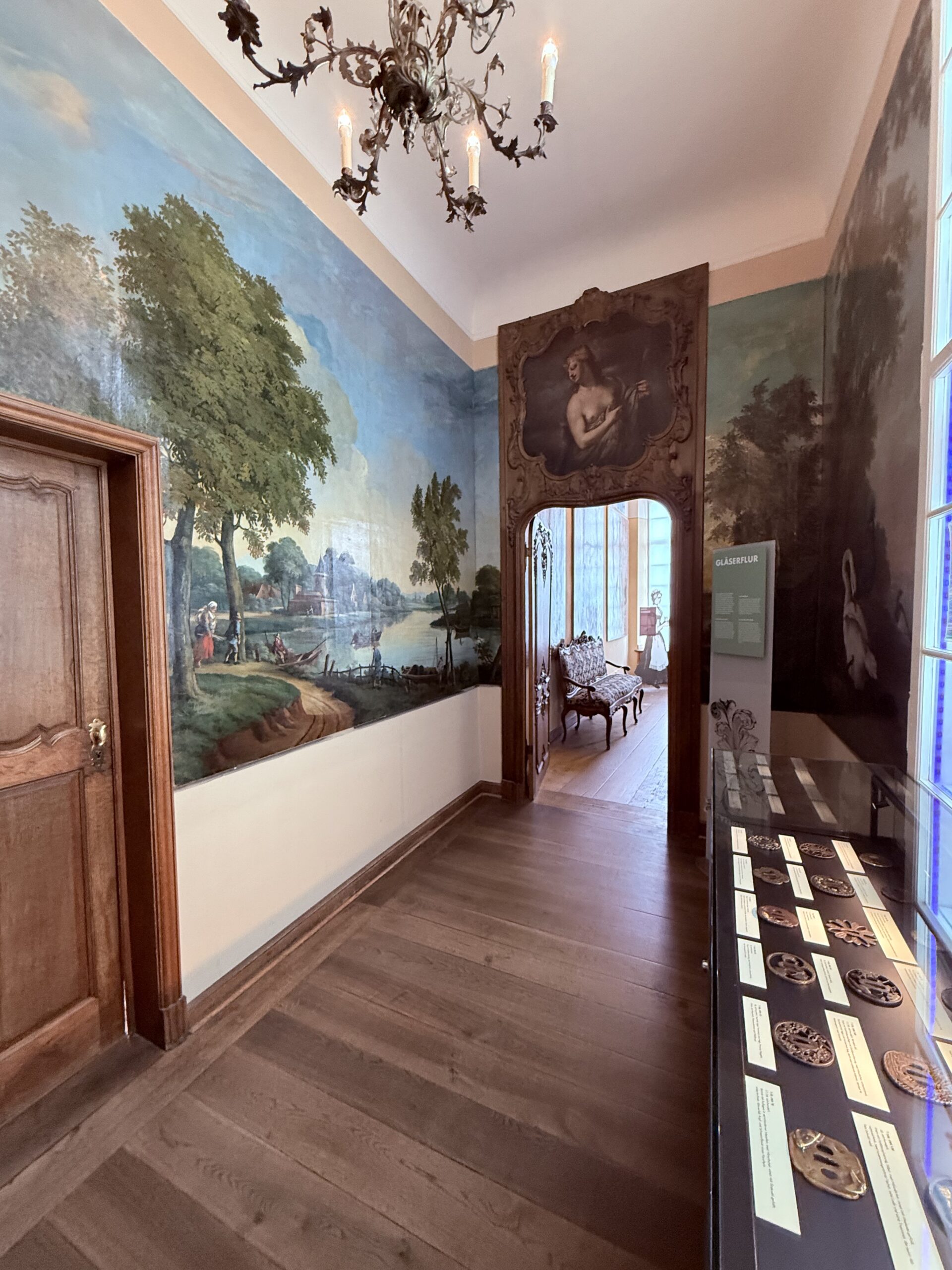
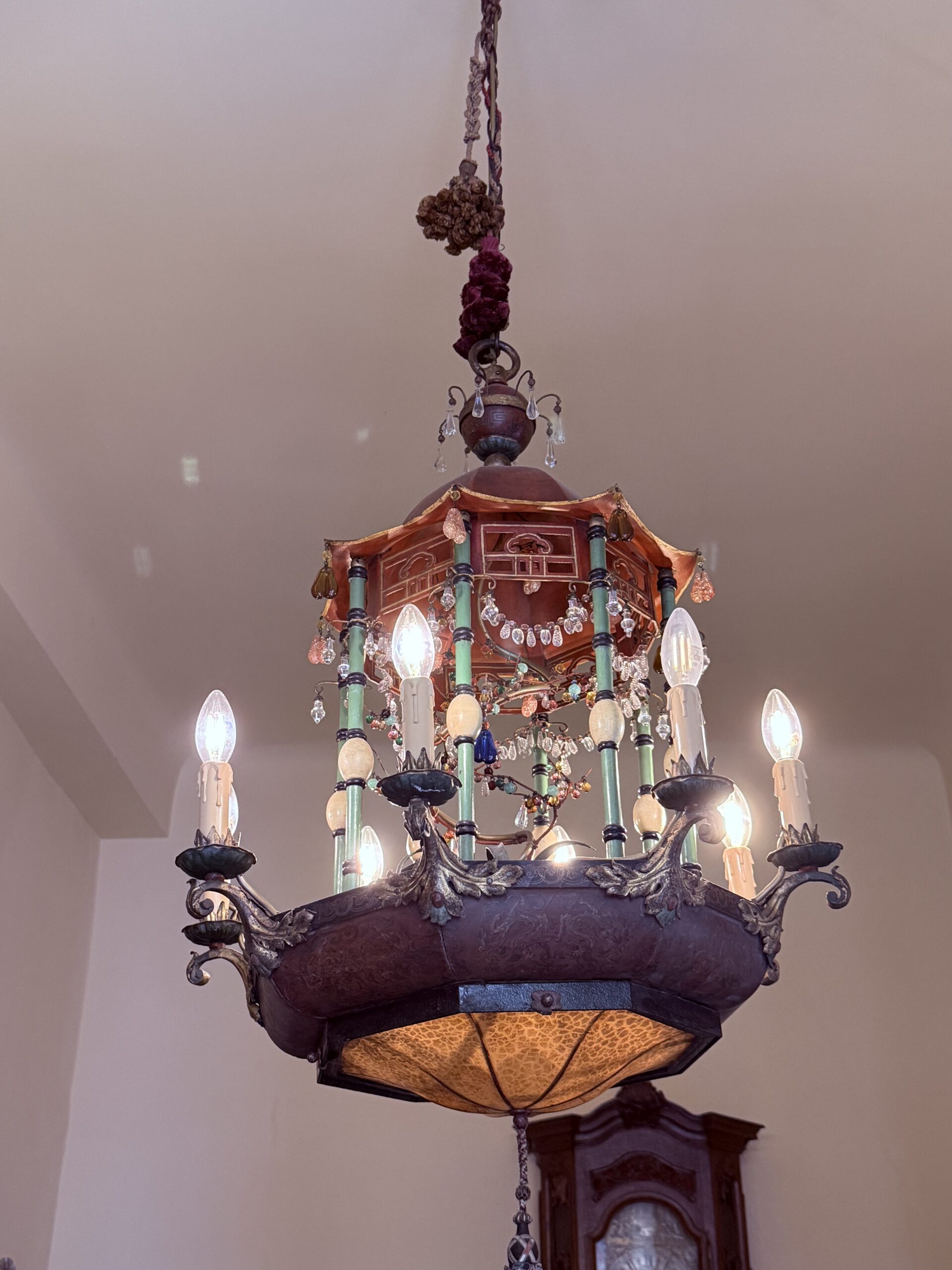
Each room is staged like a still life. From Empire-style dining sets to chinoiserie curiosities, whispering tales of upper-middle-class splendor. Don’t miss the recreated “Adler Apotheke”. This is where cocoa, medicine, and a dash of alchemy blended into what would become Trumpf chocolate.
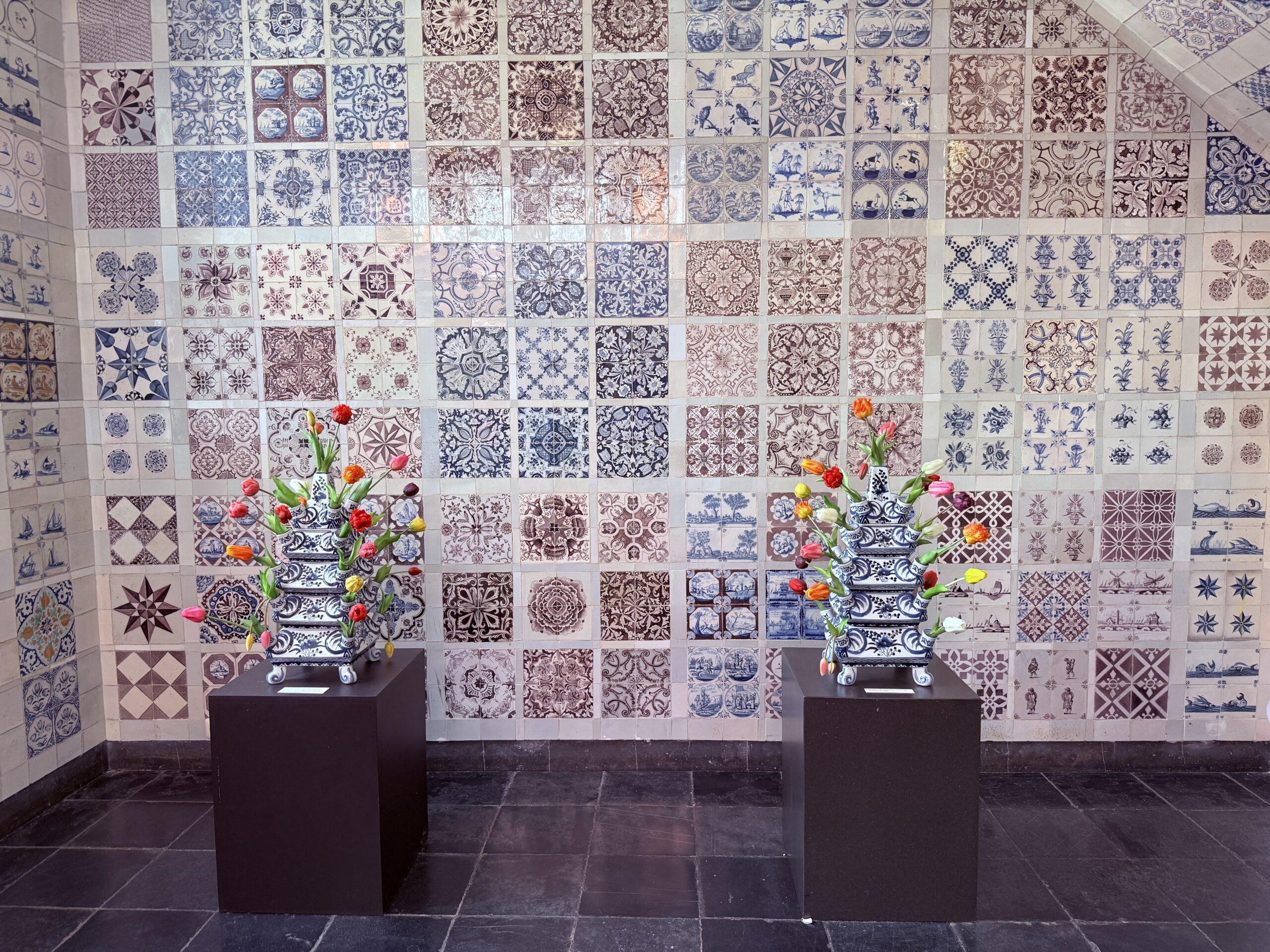
The Tiled Rooms (Fliesenzimmer) are a standout feature of this 18th–19th‑century historic house museum. They are located in a former building called Haus zum Lindenbaum. This structure became part of the museum in the early 1960s. It now displays a remarkable collection of approximately 6,000 faience tiles donated by the collectors Peter and Irene Ludwig. You’ll be hearing their names frequently throughout this post.
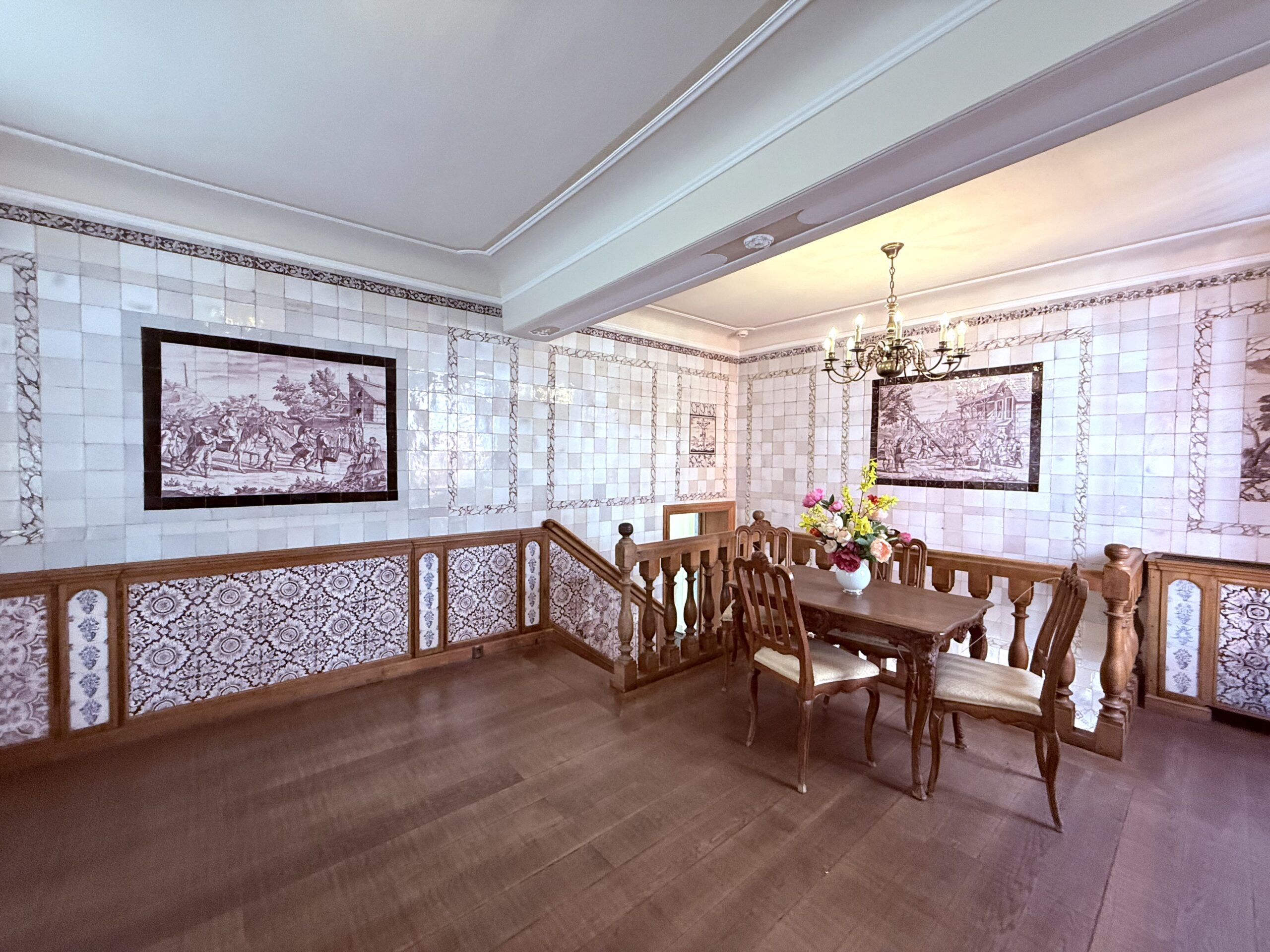
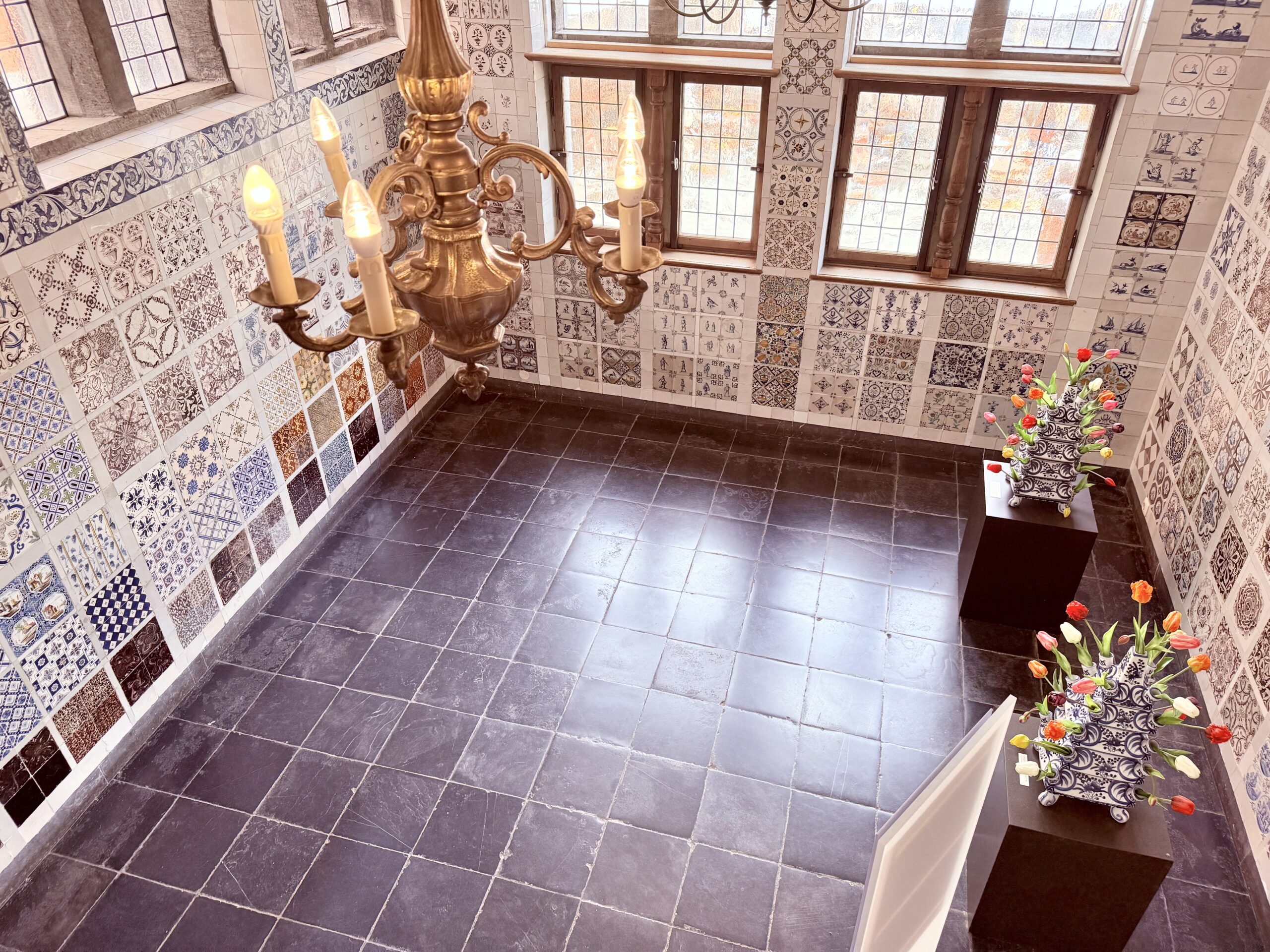
With creaky parquet floors and gilded mirrors, the Couven Museum feels like stepping into a dollhouse built for daydreams.
Couven Museum
Address: Hühnermarkt 17, 52062 Aachen
Phone: 0241 4324421
Hours:
Monday Closed
Tuesday 10 am–5 pm
Wednesday 10 am–5 pm
Thursday 10 am–5 pm
Friday 10 am–5 pm
Saturday 10 am–5 pm
Sunday 10 am–5 pm
Aachen’s Ancient Imperial Charm: Aachen Cathedral (Aachener Dom)
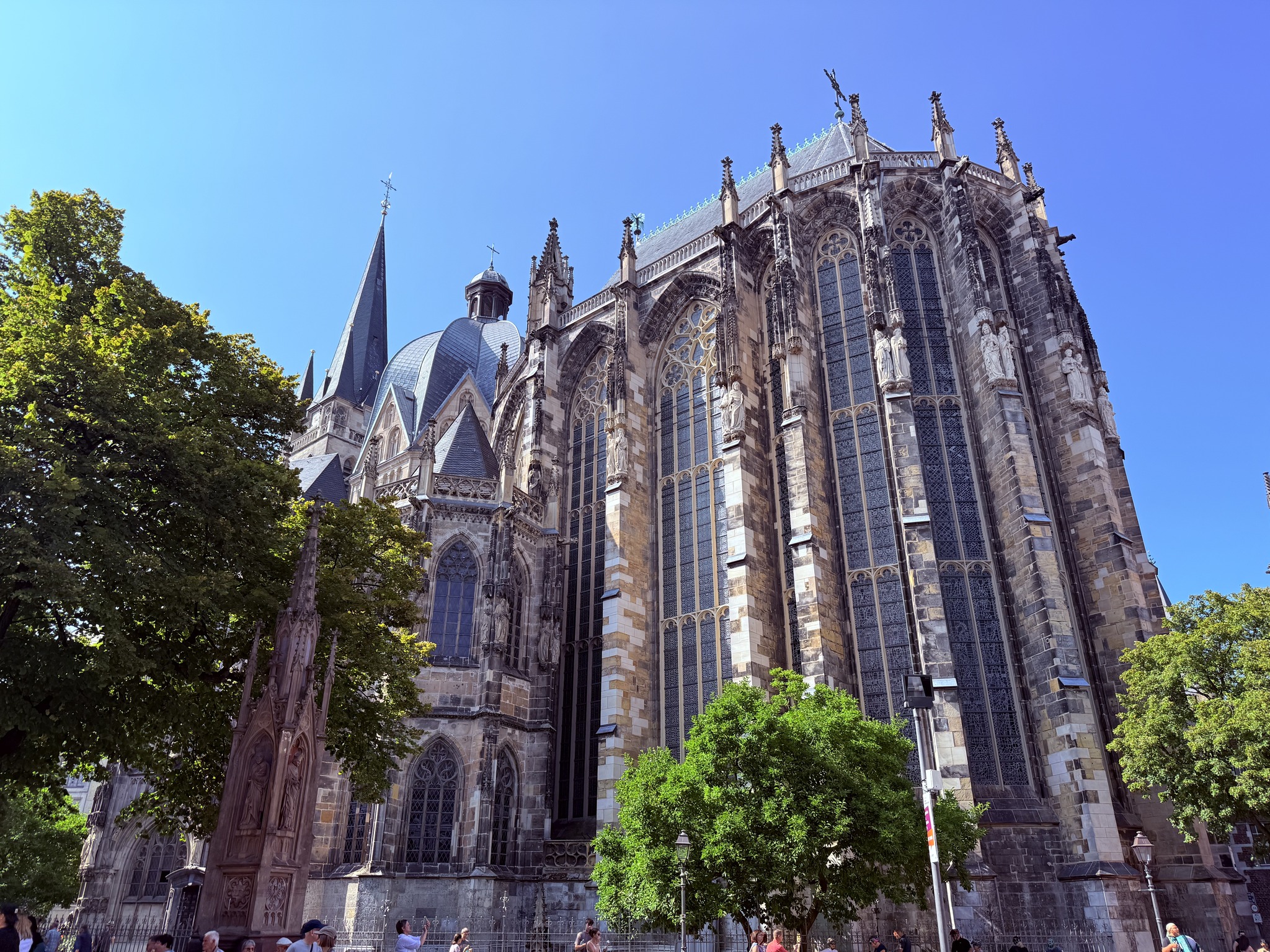
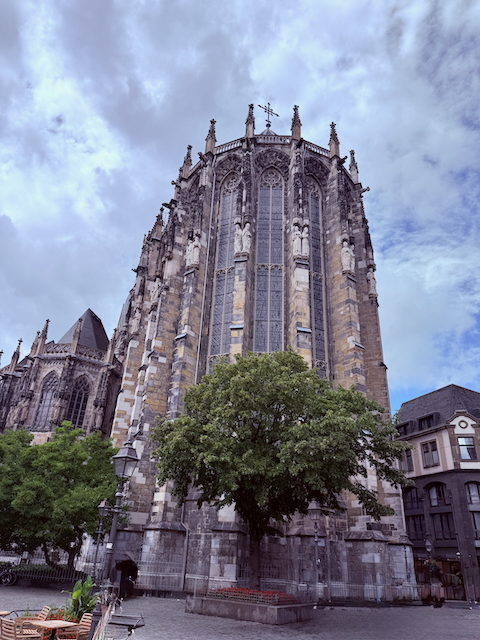
Step inside the Aachen Cathedral and prepare to feel a little underdressed for the occasion. After all, this place has been impressing visitors since Charlemagne decided it was the perfect spot for his imperial bling. The soaring octagonal dome, glittering mosaics, and centuries of history seem to whisper, “Yes, peasants, you may look.” You’ll find everything from Gothic spires to Romanesque arches. It’s like the architectural equivalent of a historical tasting menu.
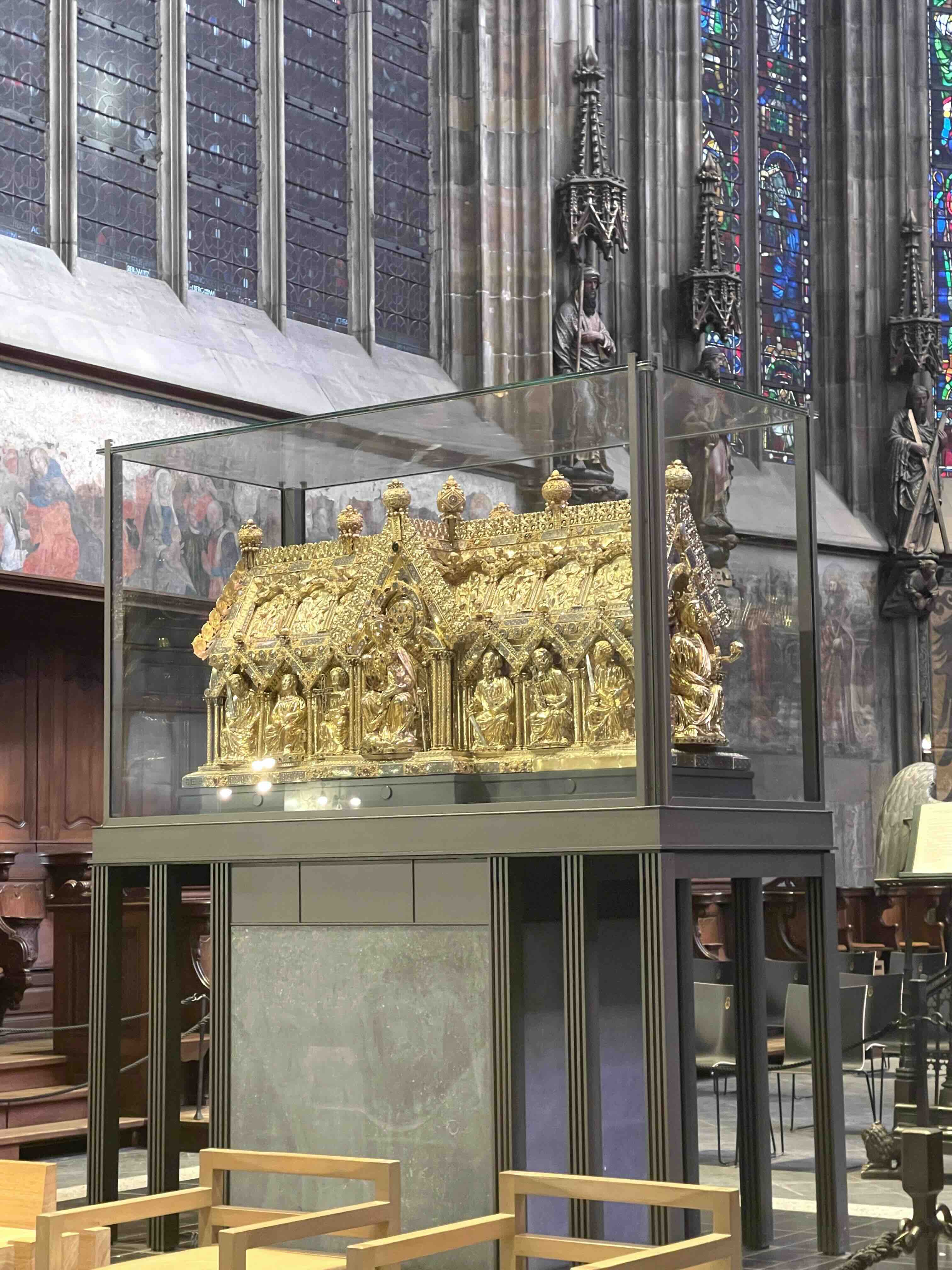
Don’t miss the golden shrine of Charlemagne himself. Because what’s a medieval church without a little royal sparkle? And if you listen closely, you might just hear the echoes of pilgrims past. Or possibly the tour guide explaining why you shouldn’t touch anything shiny.
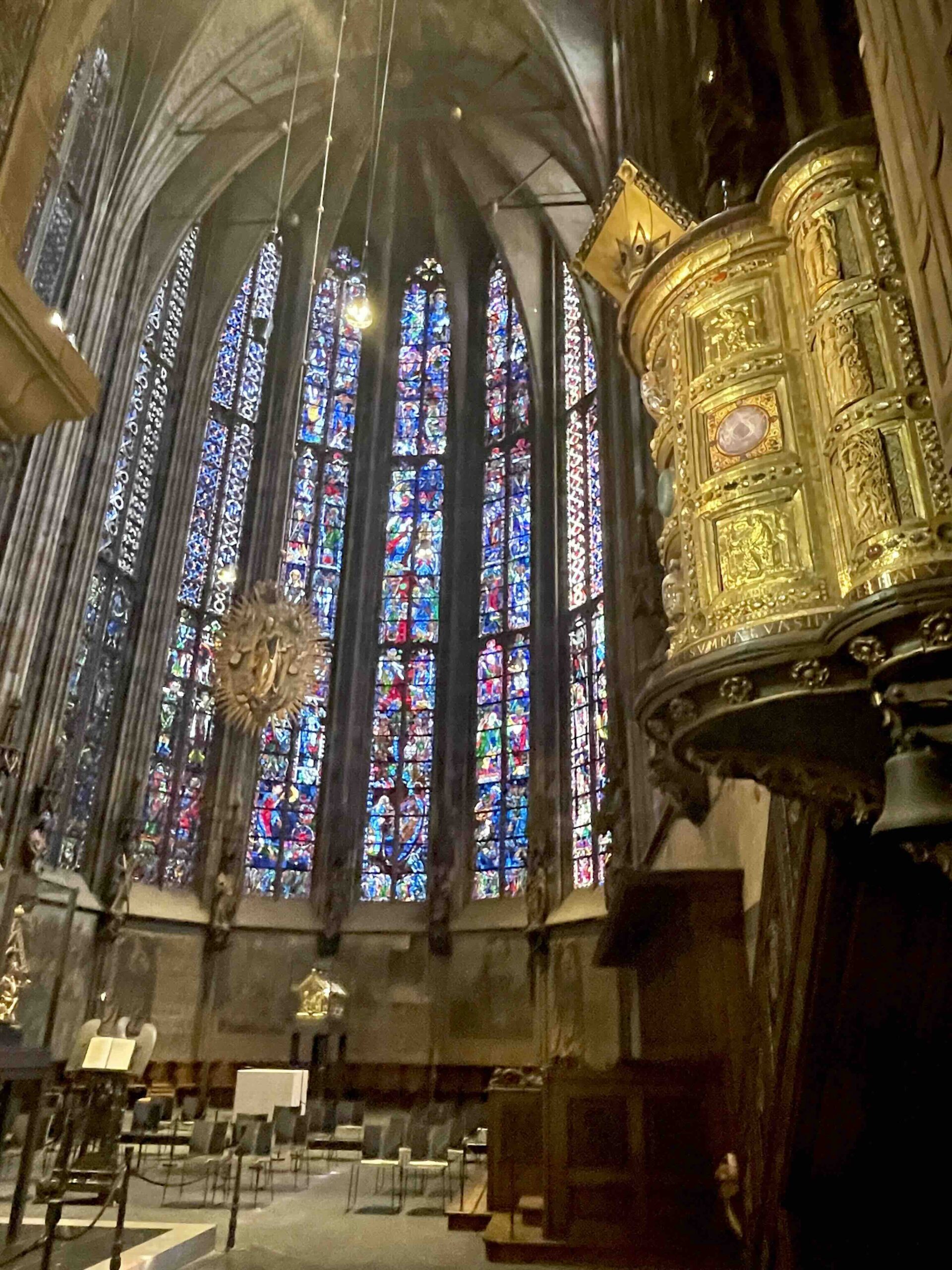
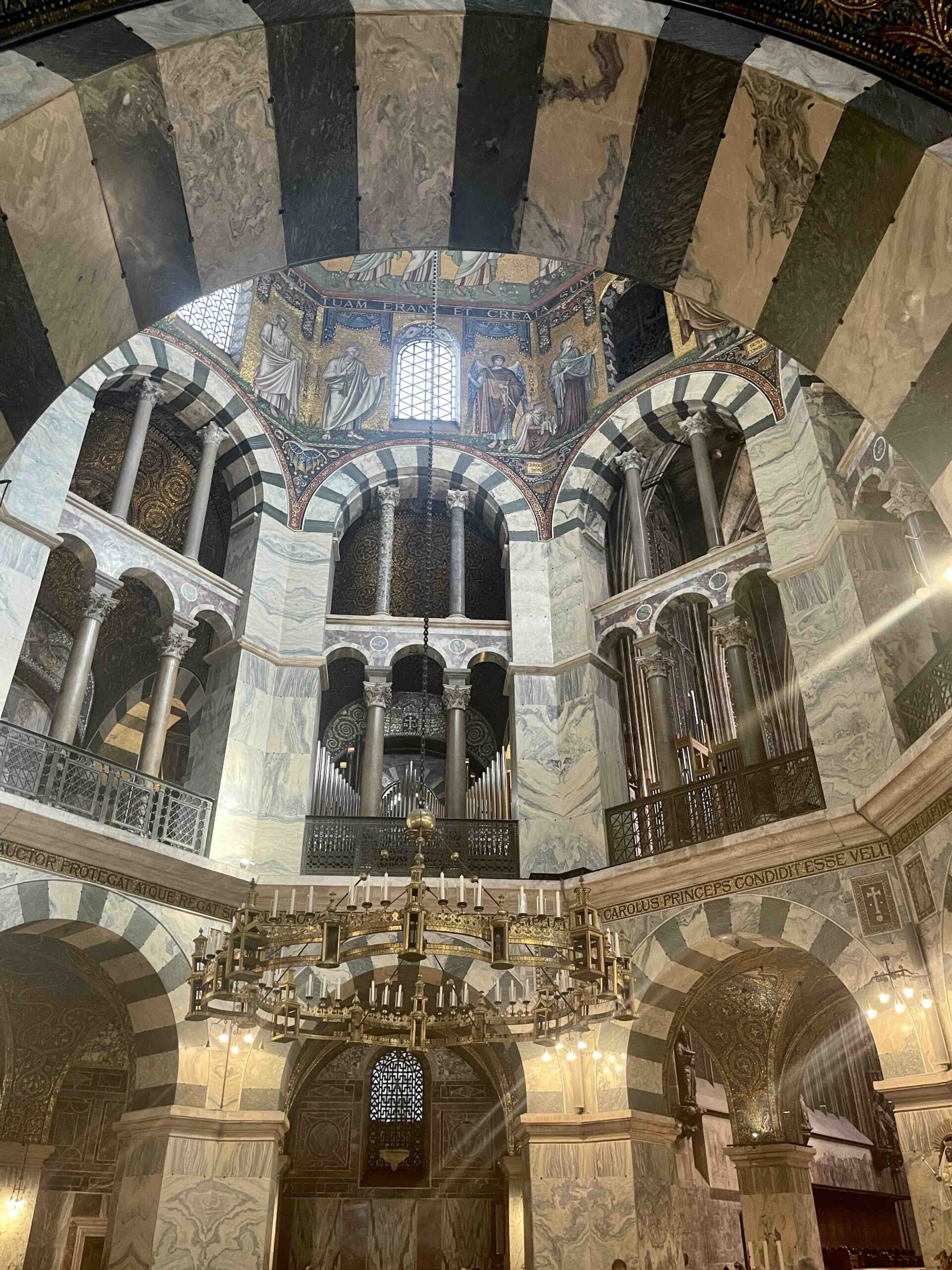
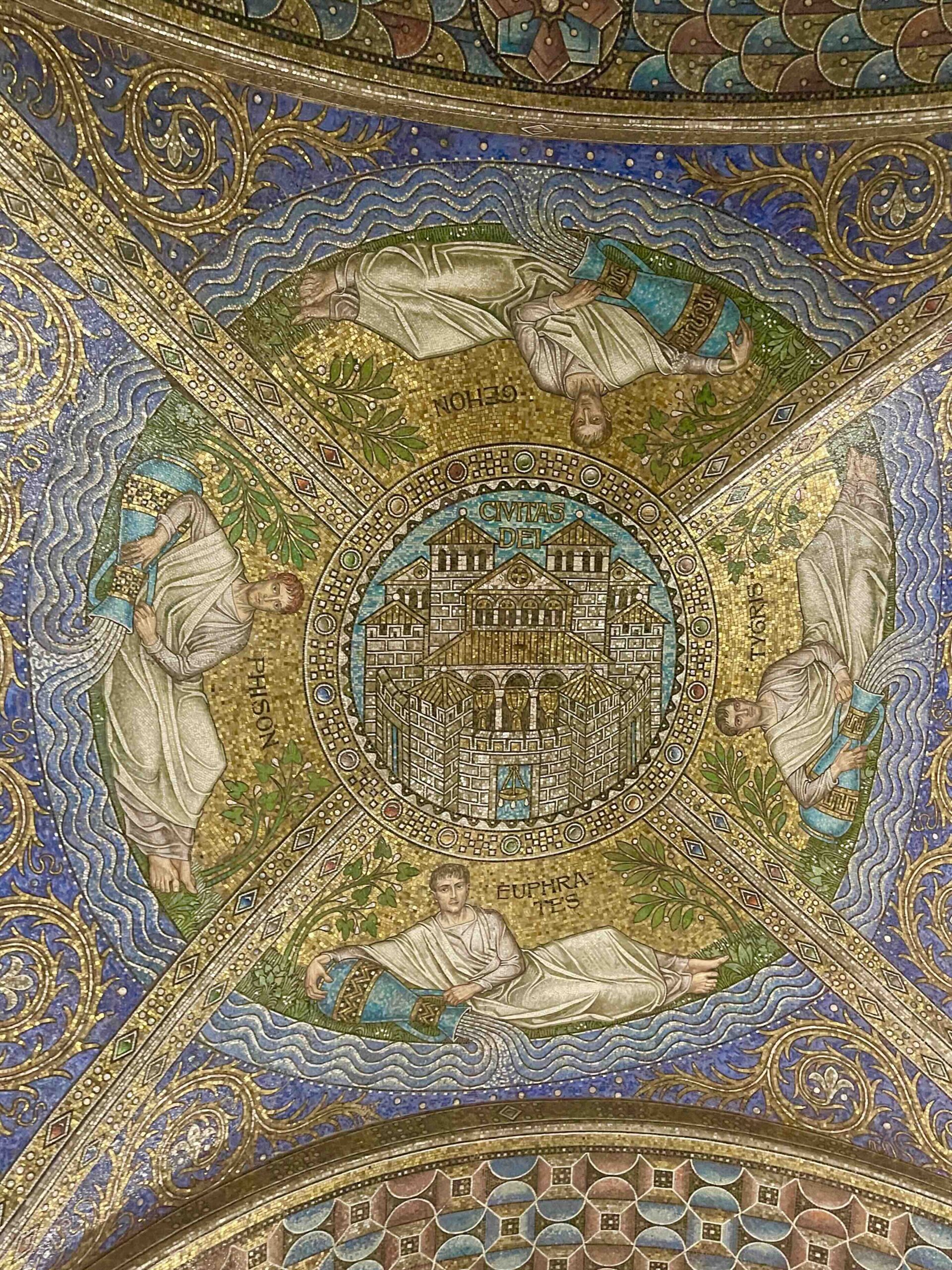
The Aachen Cathedral isn’t just old—it’s the kind of old that makes even ancient ruins feel a bit insecure. Commissioned by Charlemagne around 796 AD as his imperial chapel, it became the coronation hotspot for German kings. 31 of them got the royal treatment here over the centuries. The octagonal Palatine Chapel at its heart still stands much as it did in Charlemagne’s day. It’s a shimmering mix of Byzantine inspiration and Frankish ambition. Over time, Gothic additions sprouted like fashionable extensions. This includes the jaw-dropping choir built to house the emperor’s golden shrine. Surviving wars, revolutions, and some questionable 19th-century renovations, the cathedral remains a UNESCO World Heritage Site. And a glorious reminder that Charlemagne knew how to pick a prime piece of real estate.
Address: Domhof 1, 52062 Aachen
Phone: 0241 477090
Hours:
Monday 11 am–6 pm
Tuesday 11 am–6 pm
Wednesday 11 am–6 pm
Thursday 11 am–6 pm
Friday 11 am–7 pm
Saturday 11 am–7 pm
Sunday 1–5:45 pm
Ludwig Forum
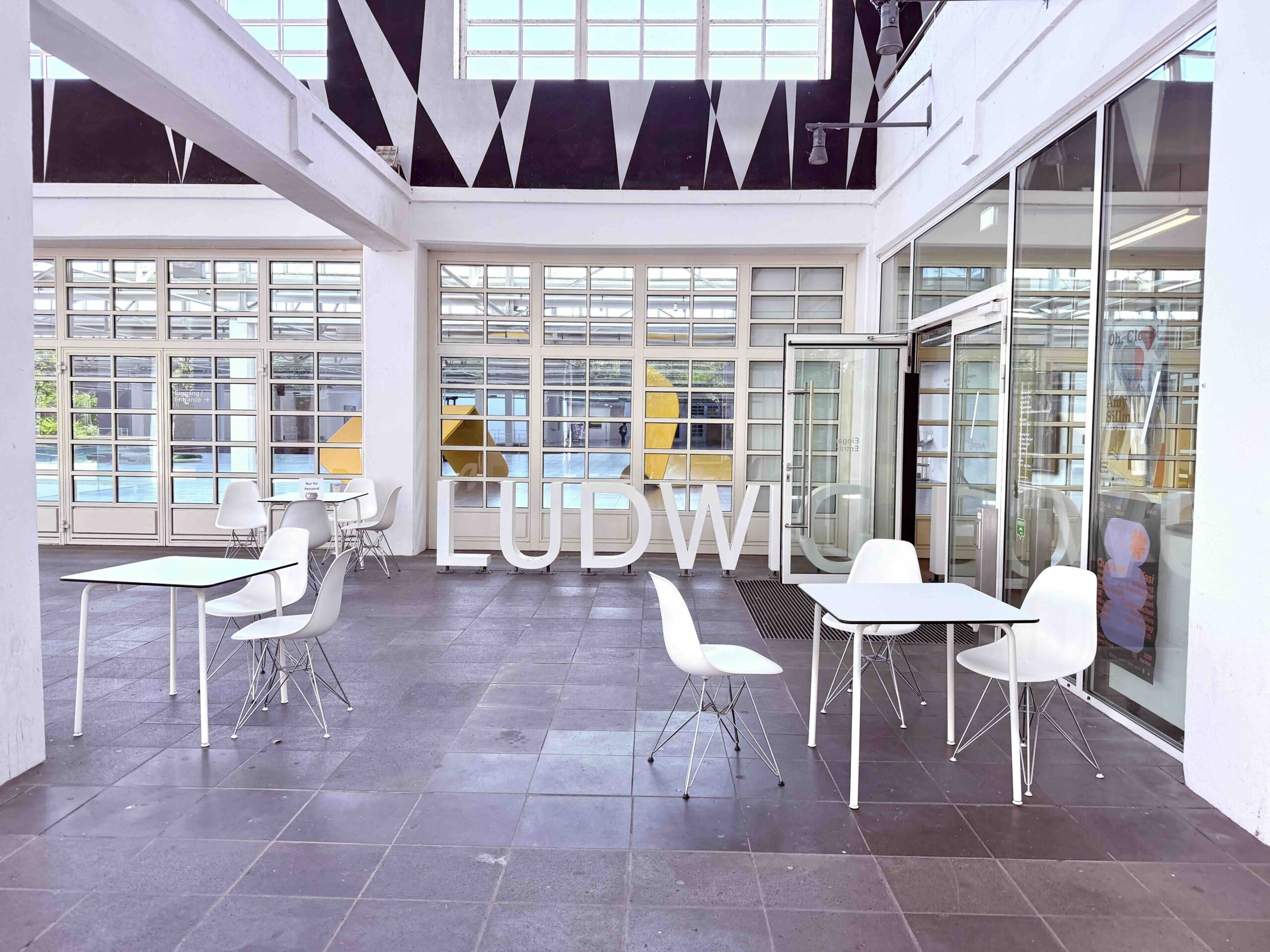
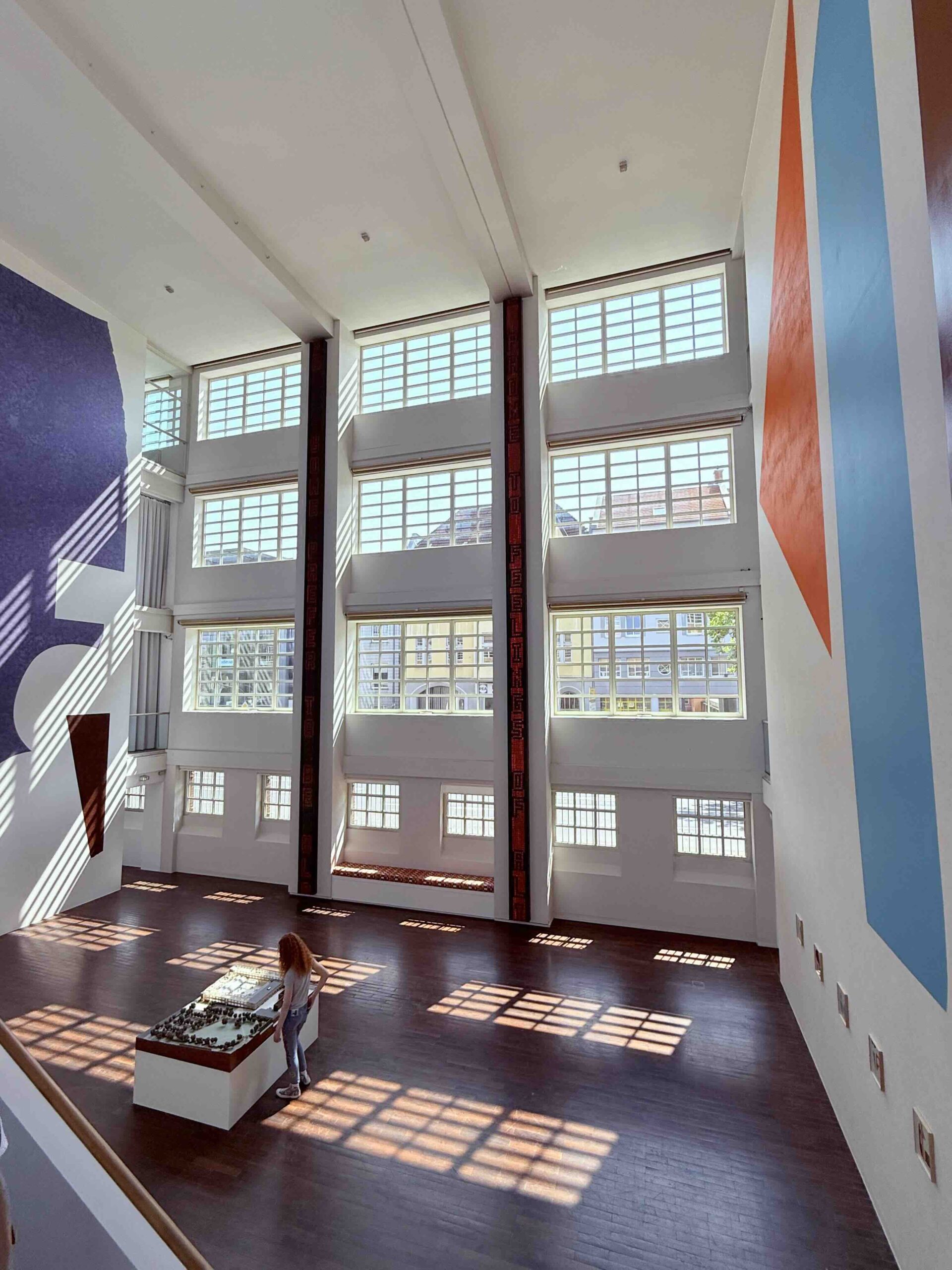
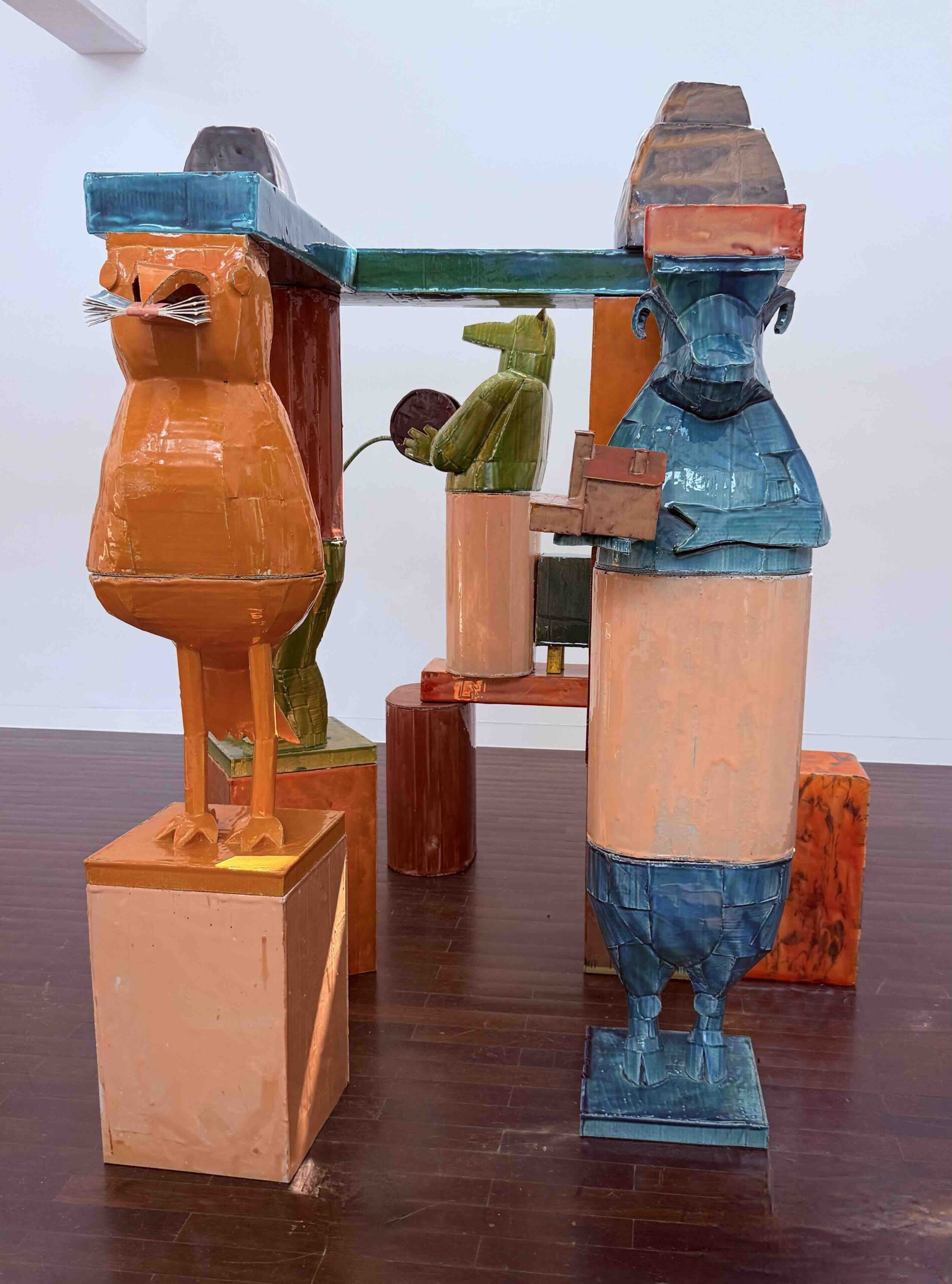
If you think contemporary art is all about staring at a blank canvas and pretending to understand it, the Ludwig Forum in Aachen is here to surprise you. Housed in a former umbrella factory, this museum now shelters a vibrant collection of modern and contemporary works.
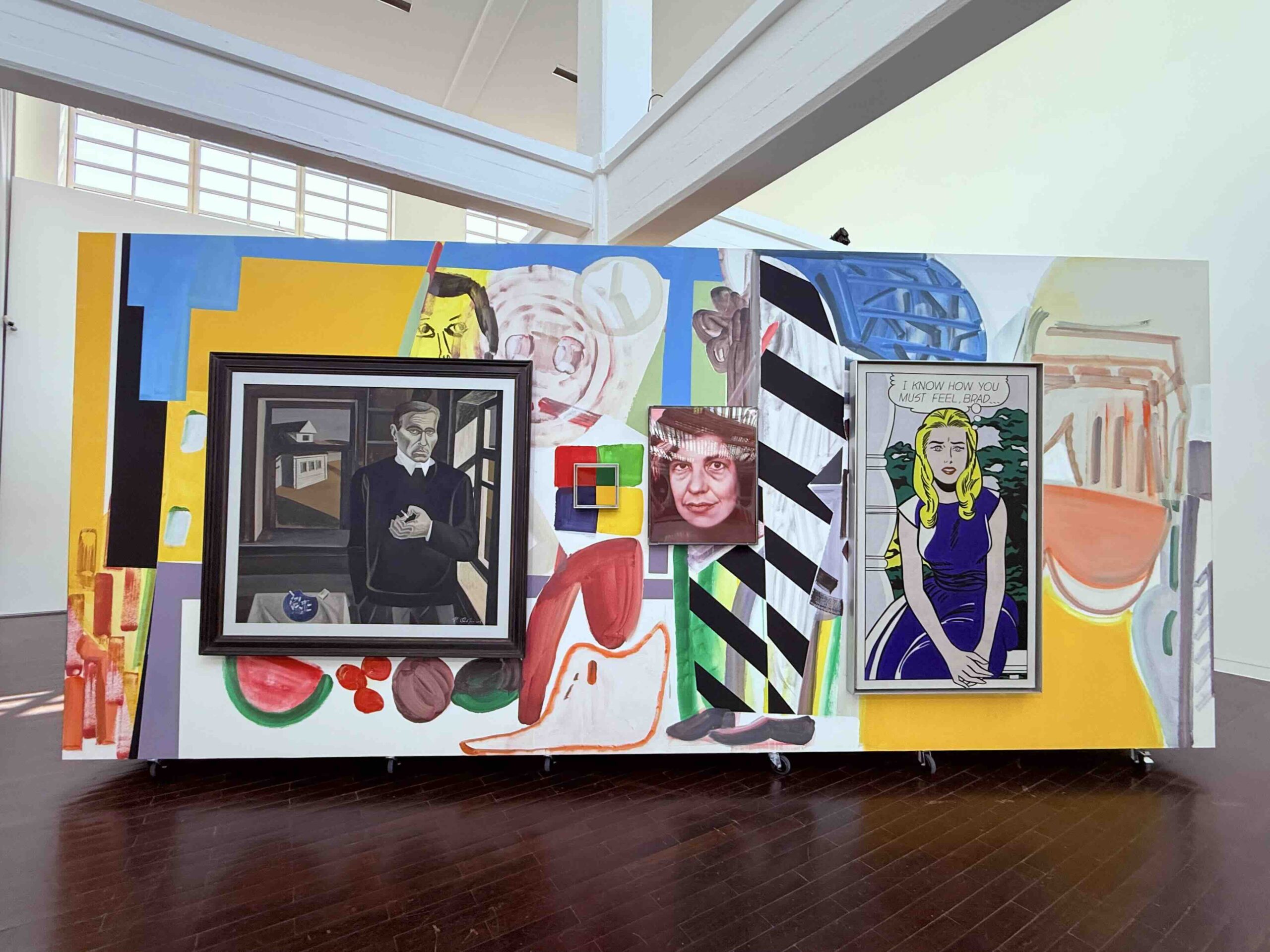
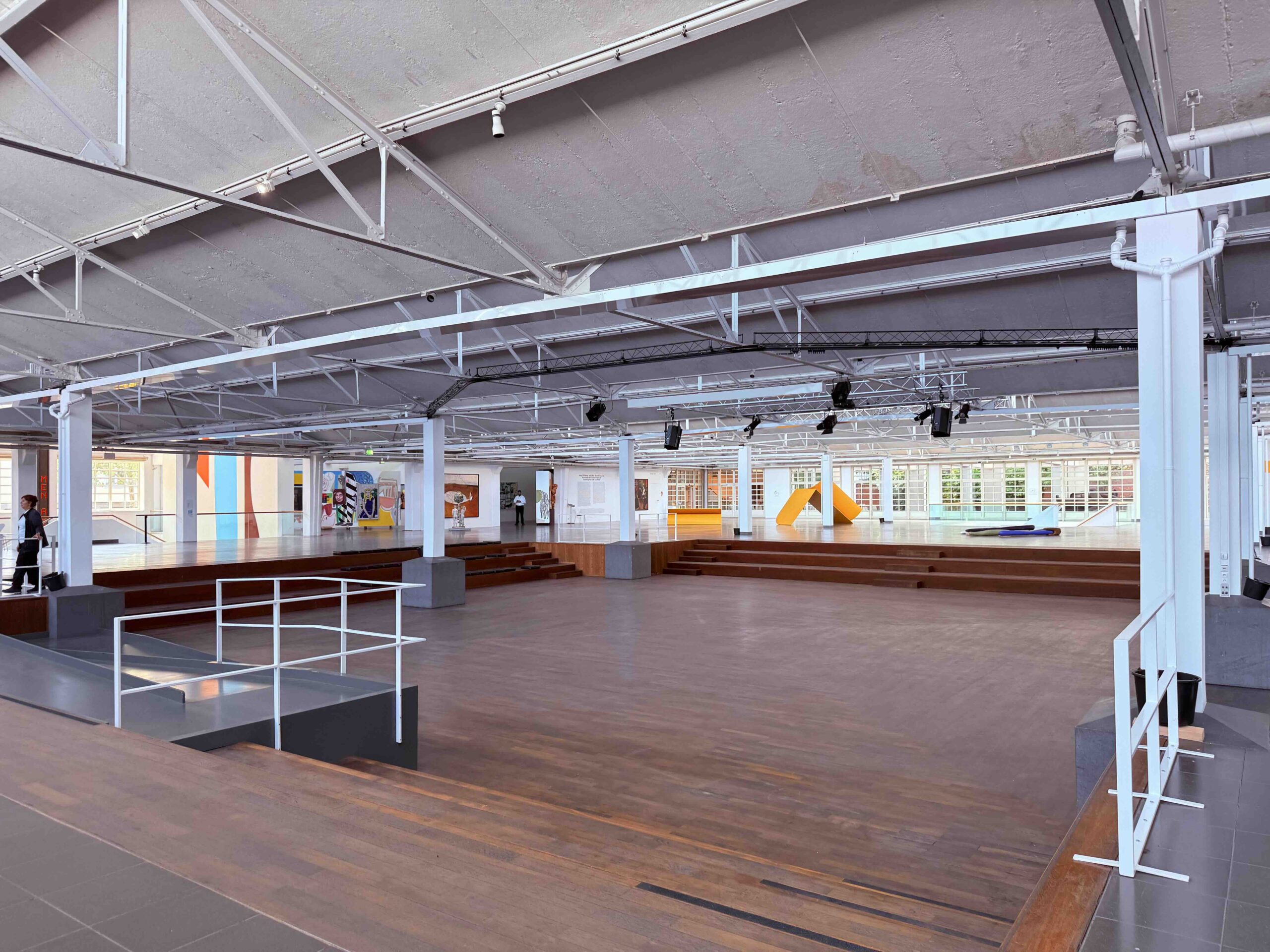
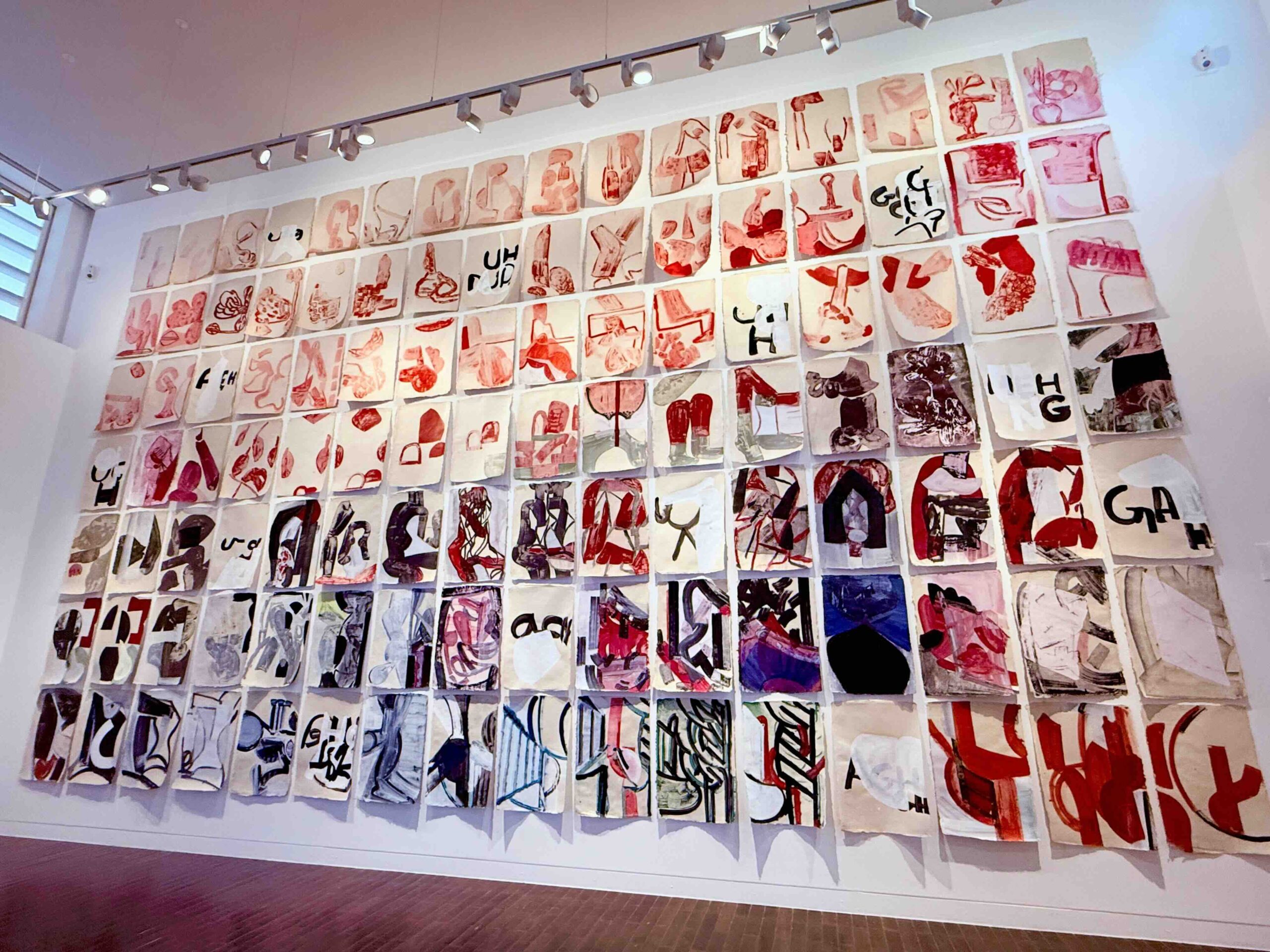
All thanks to chocolate magnates Irene and Peter Ludwig, whose art addiction was as legendary as their sweet tooth. Opened in 1991, the Ludwig Forum has become Aachen’s playground for pop art, photography, video installations, and the occasional head-scratching sculpture.
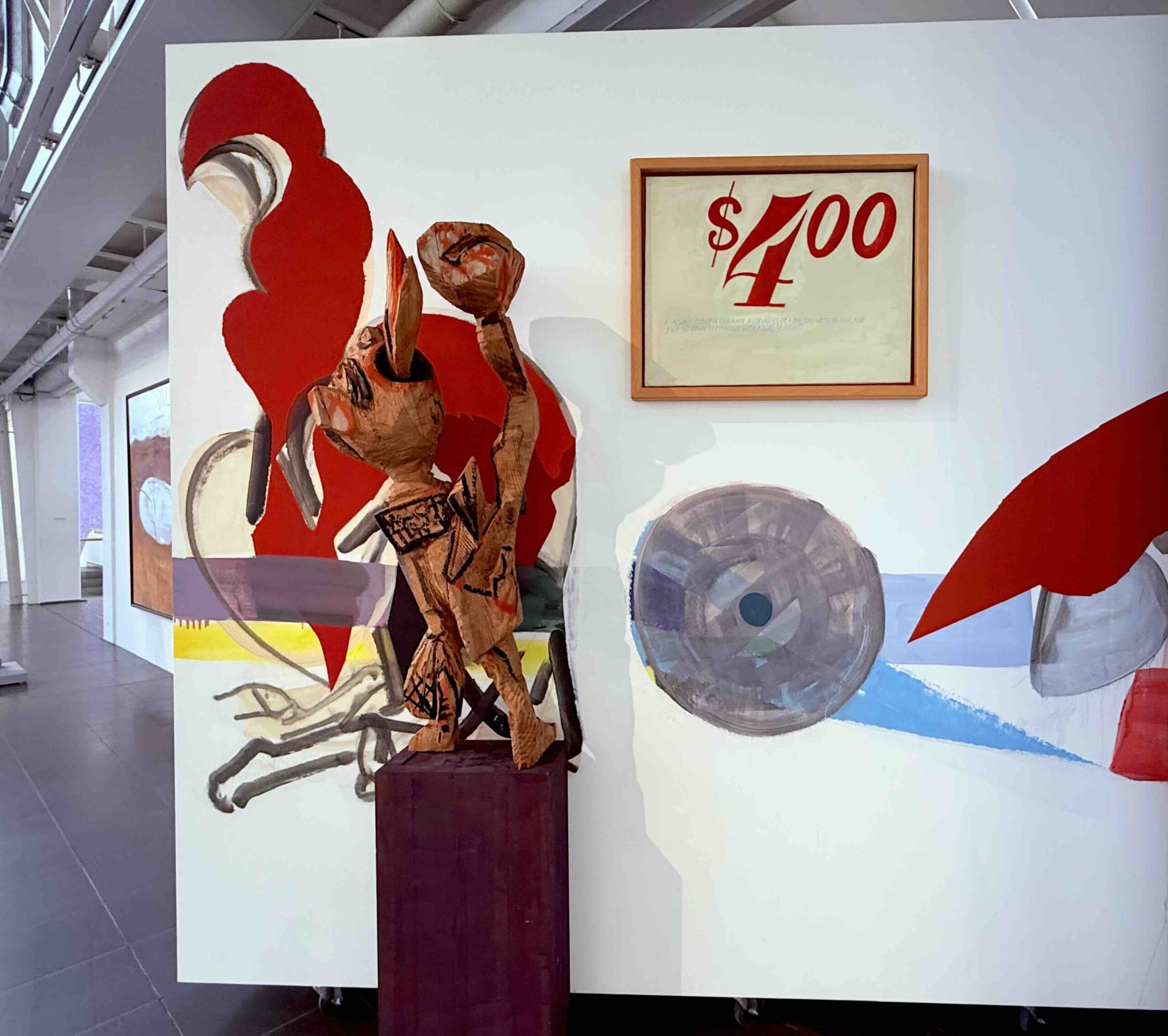
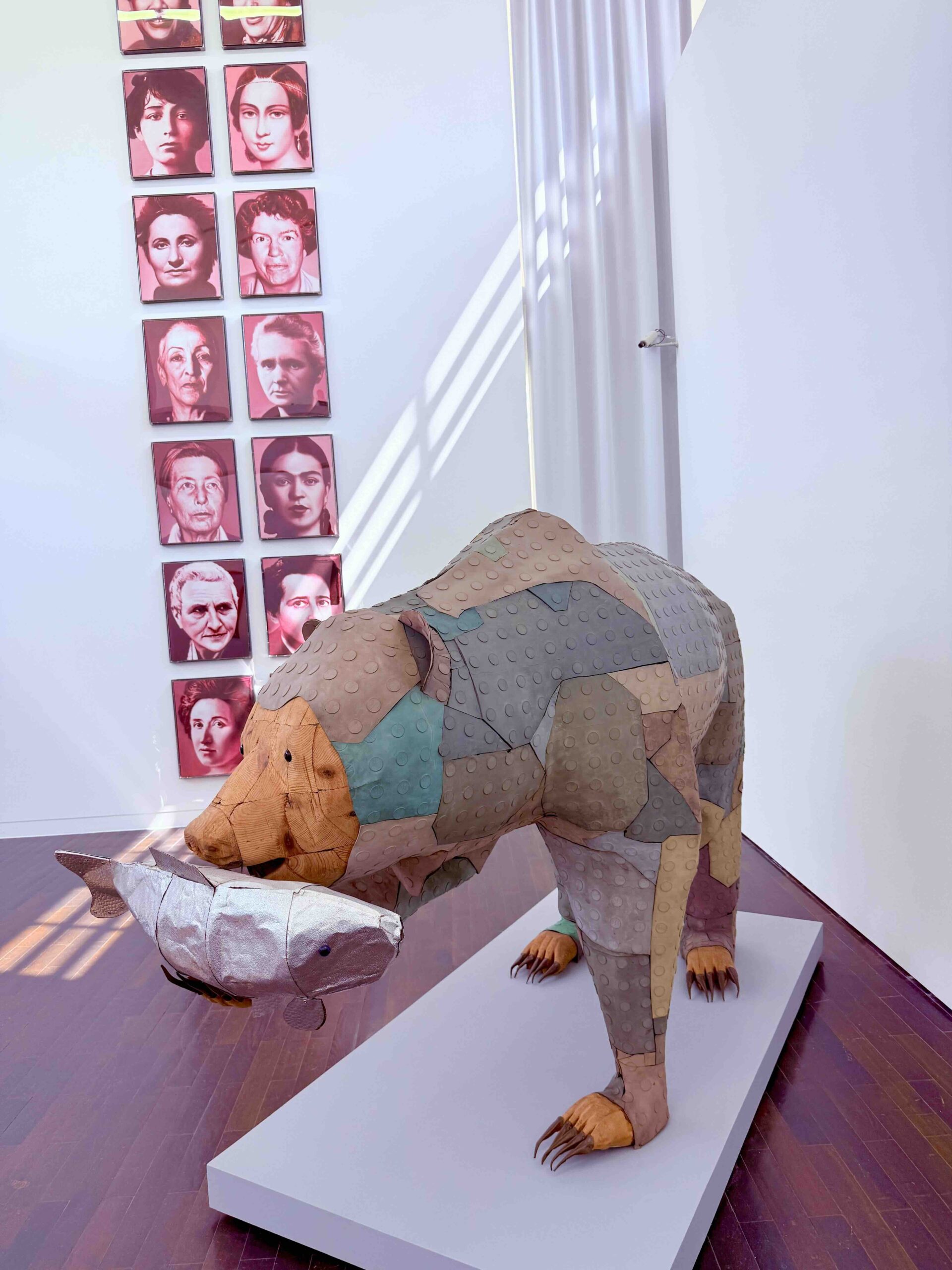
Wandering its bright halls feels like speed-dating with creativity. You never know if the next “Wow!” will come from a Warhol, a giant papier-mâché horse, or a neon-lit political statement.
Address:
Jülicher Straße 97–109
52070 Aachen
Phone: +49 (0)241 1807-104
Hours:
Tue-Sun 10 am-5 pm
Thu 10 am-8 pm
Closed on Mondays
Aachen’s Ancient Imperial Charm: Suermondt-Ludwig-Museum
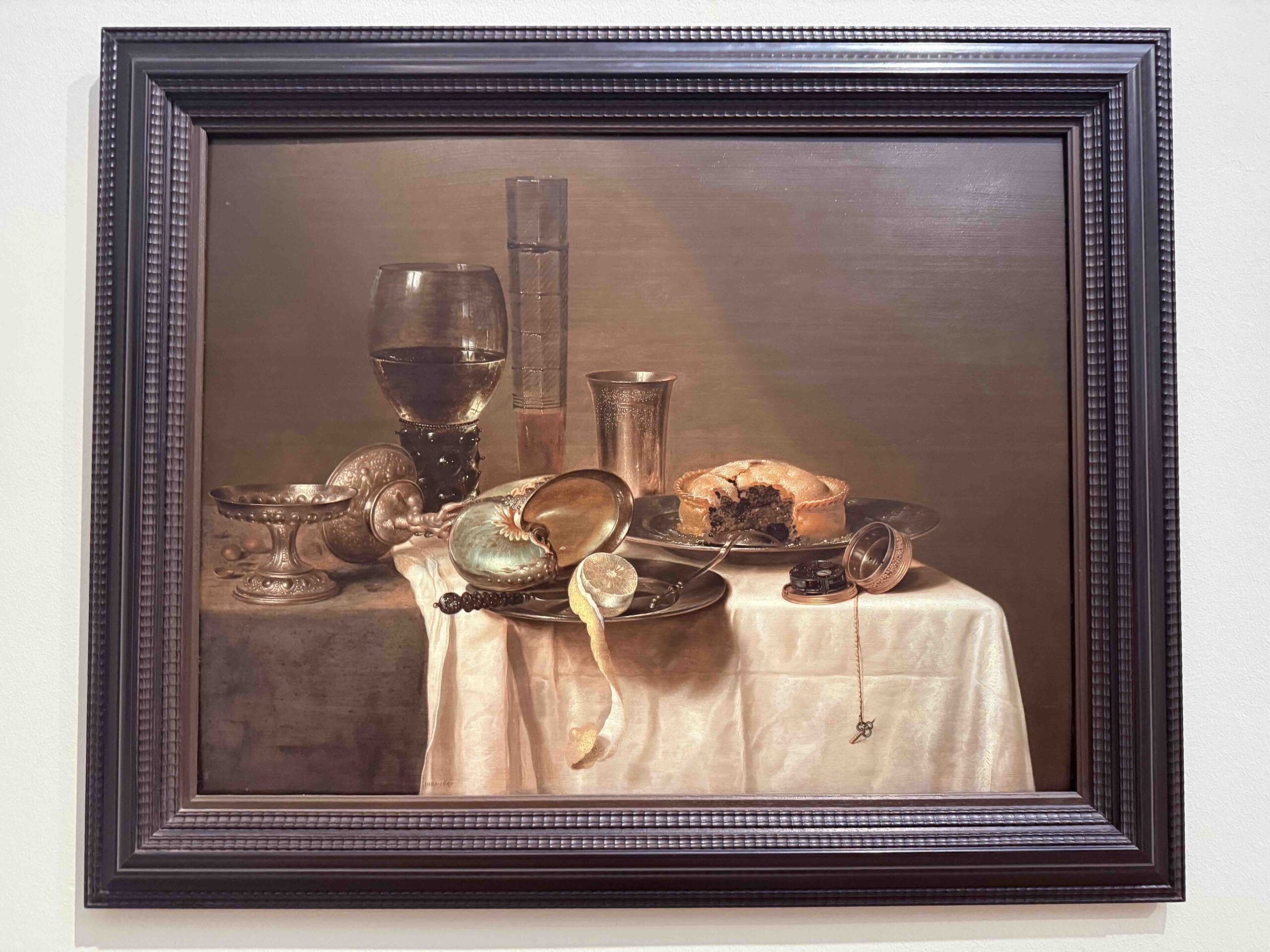
The Suermondt-Ludwig-Museum in Aachen is where you go when you want a crash course in “art through the ages” without needing a time machine. Originally opened in 1883 thanks to the generosity of wealthy art enthusiast Barthold Suermondt, the museum moved into a grand 19th-century villa that once belonged to a local industrialist—because nothing says “art appreciation” like wandering past marble columns and parquet floors.
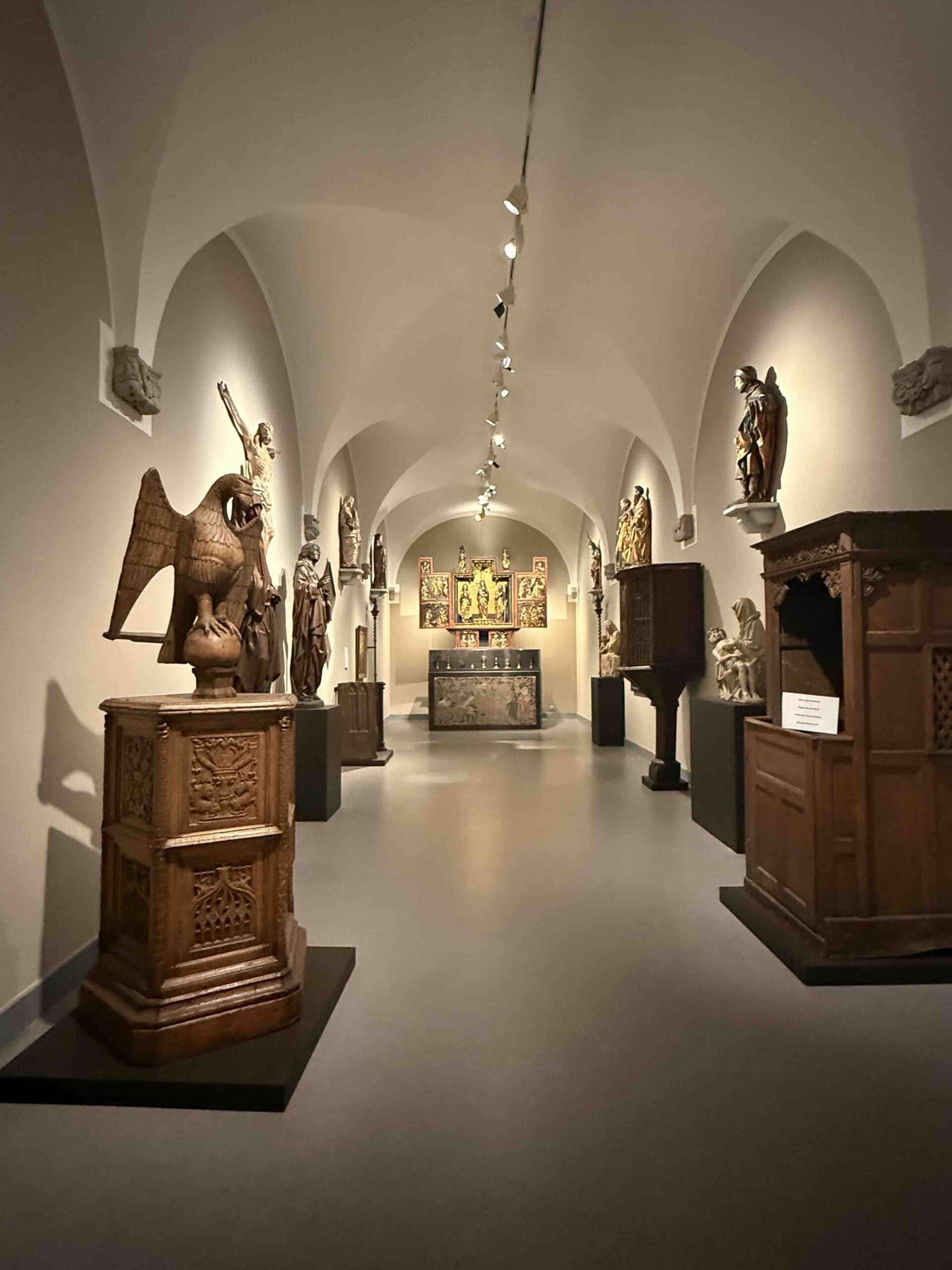
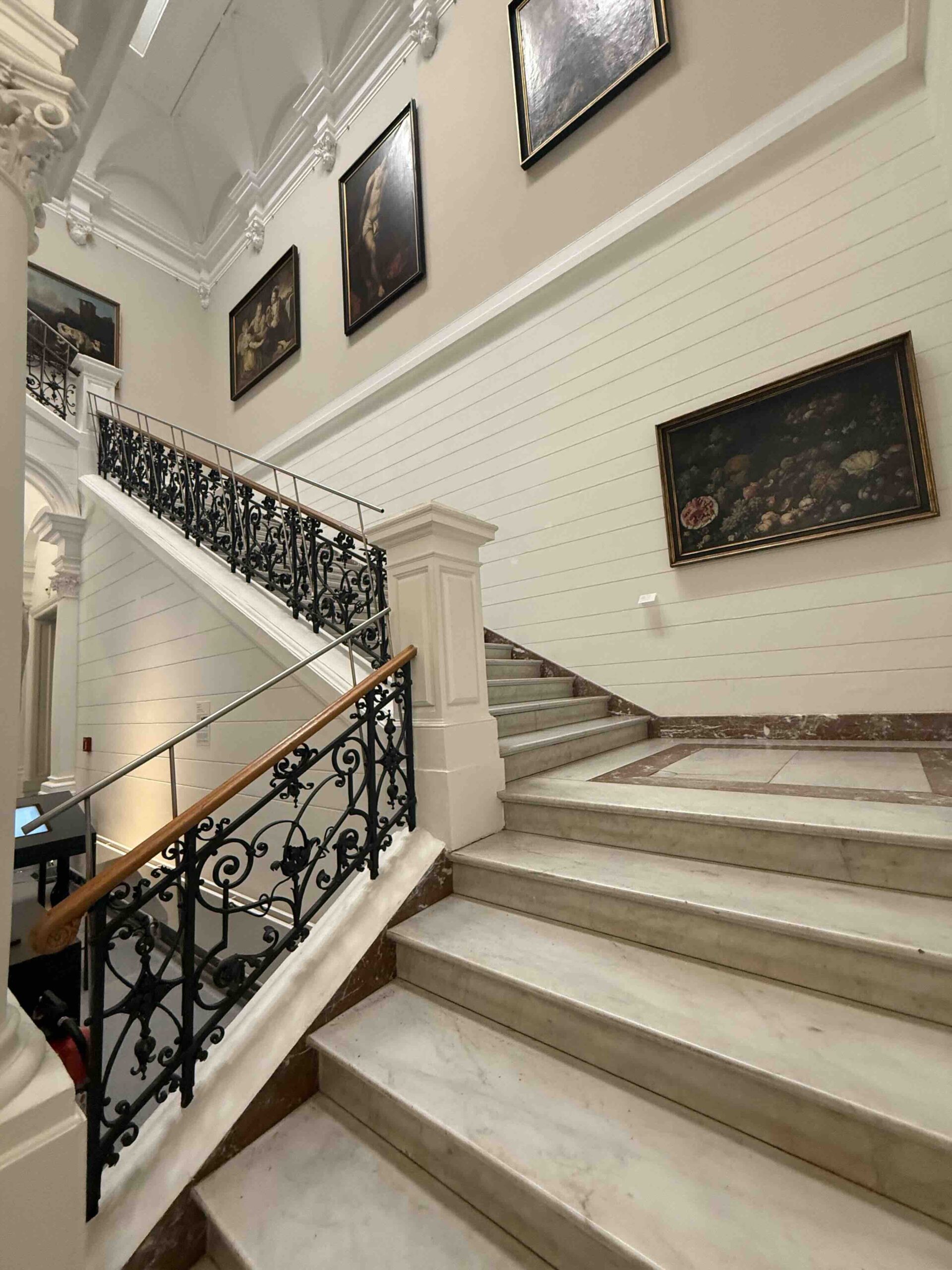
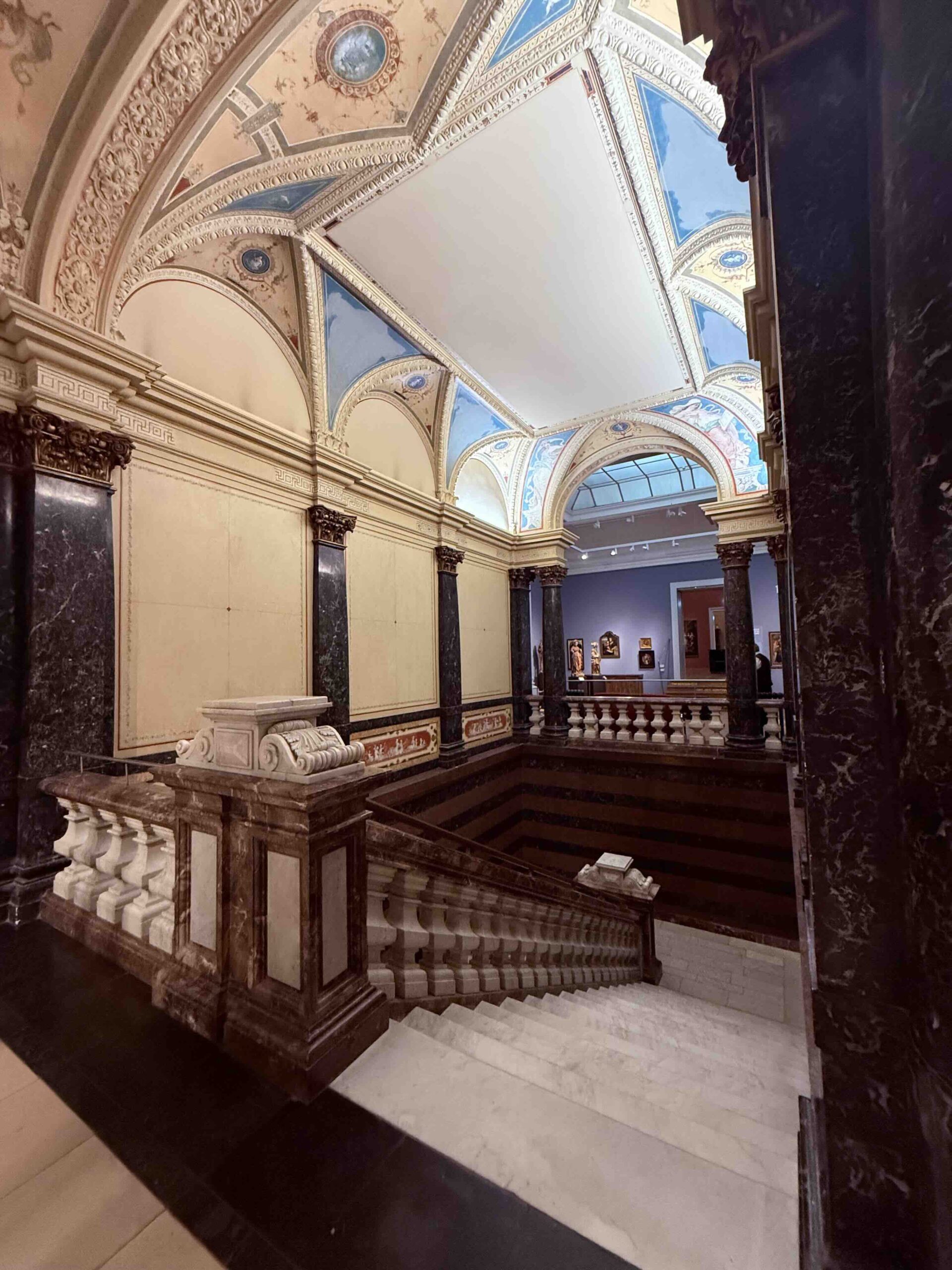
Later, chocolate connoisseurs and art collectors Irene and Peter Ludwig (yes, the same Ludwigs who sprinkle their name across half of Aachen’s cultural hotspots, including the one above) added their treasures to the collection. Today, you can stroll from medieval altarpieces to Renaissance portraits to modern masterpieces, all while wondering how on earth people ever dusted these elaborate frames.
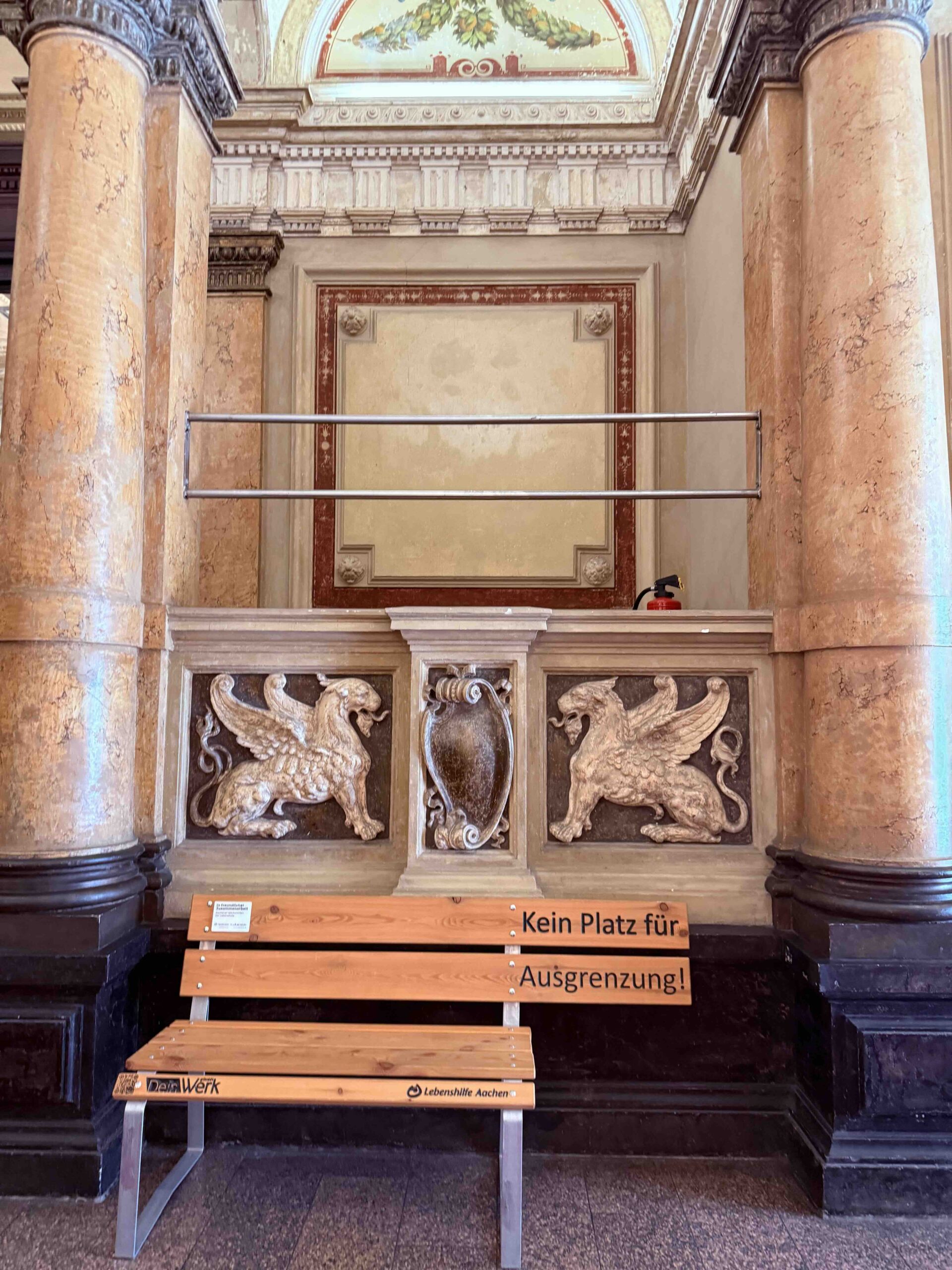
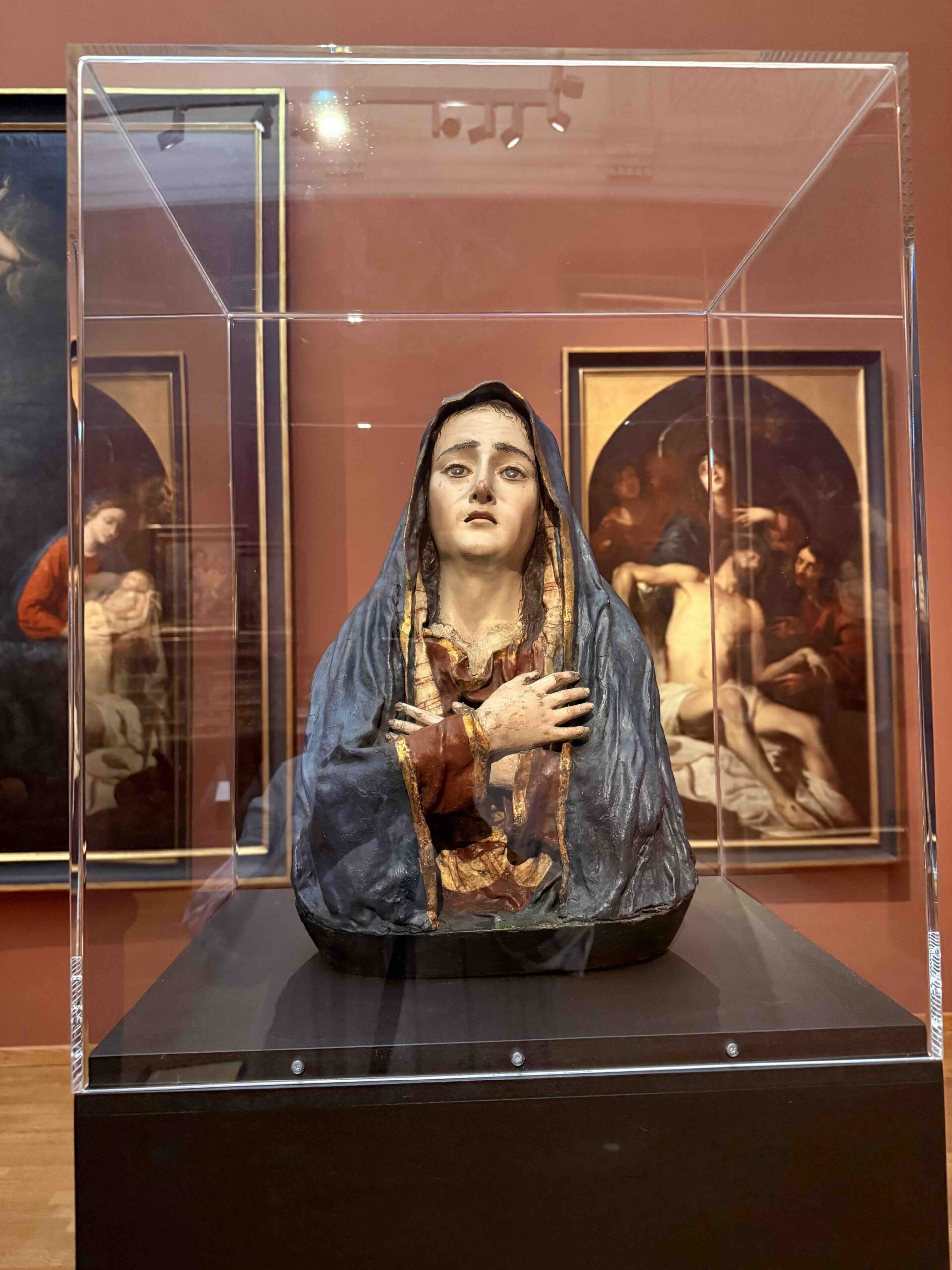
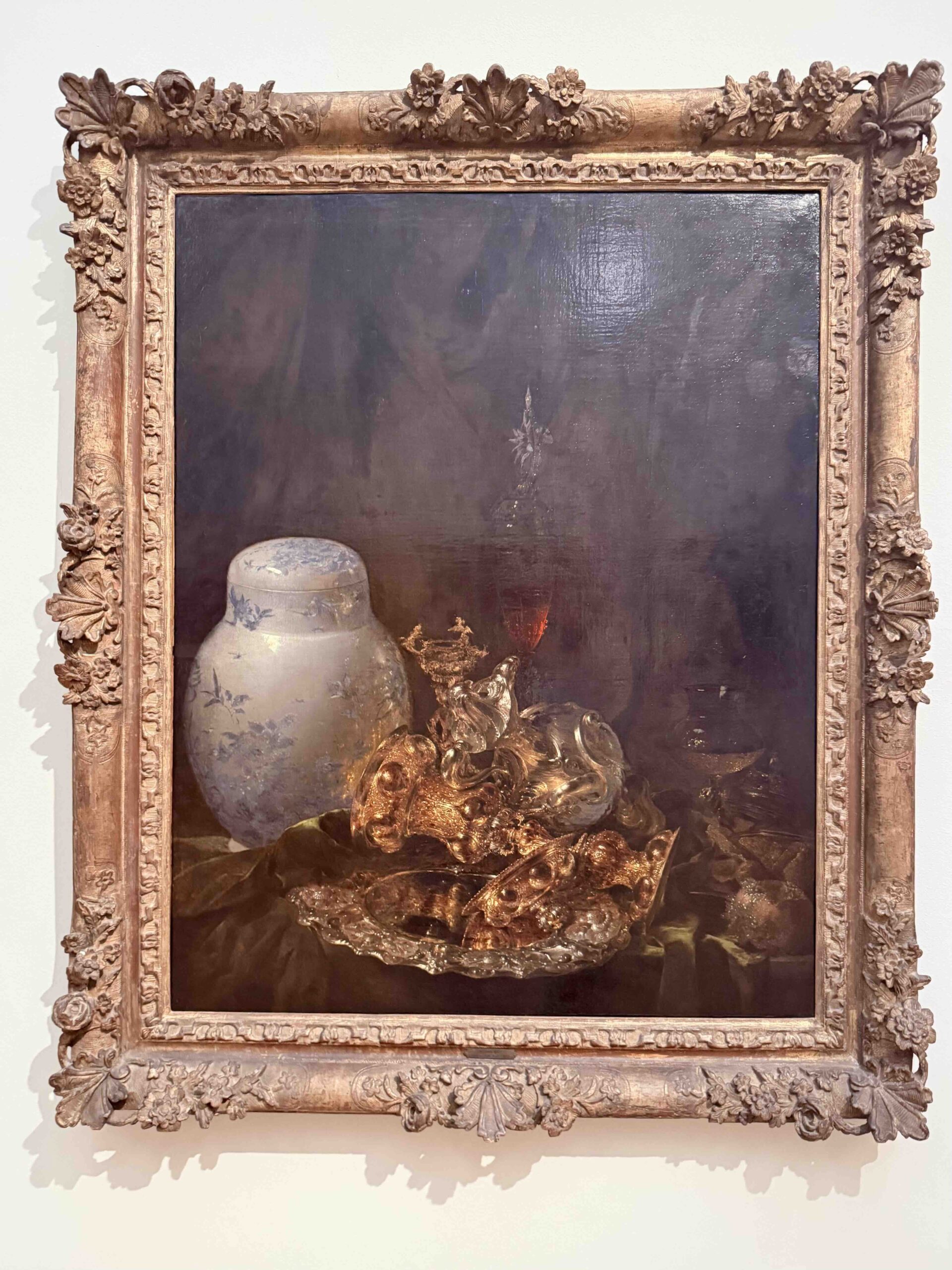
A delightful section is The Civic Cabinet of Arts and Curios. It’s like Aachen’s attic—if your attic happened to be curated by eccentric aristocrats with excellent taste.
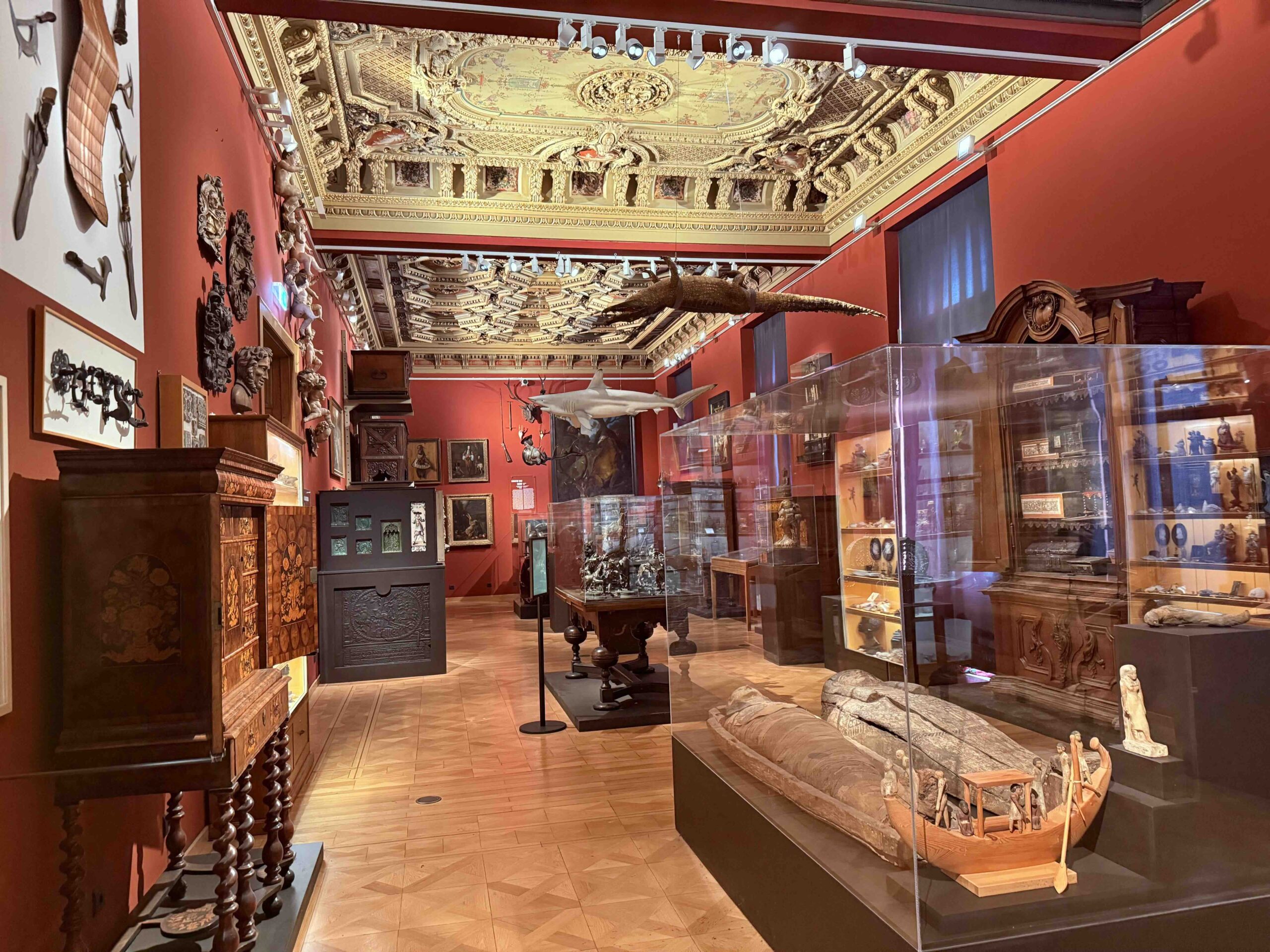
Here you’ll find a delightful jumble of objects the city collected over centuries: intricate miniatures, odd scientific instruments, and treasures that make you wonder, “Why did someone save this?” It’s part art gallery, part curiosity shop, and entirely proof that Aachen’s civic ancestors never threw away anything remotely interesting.
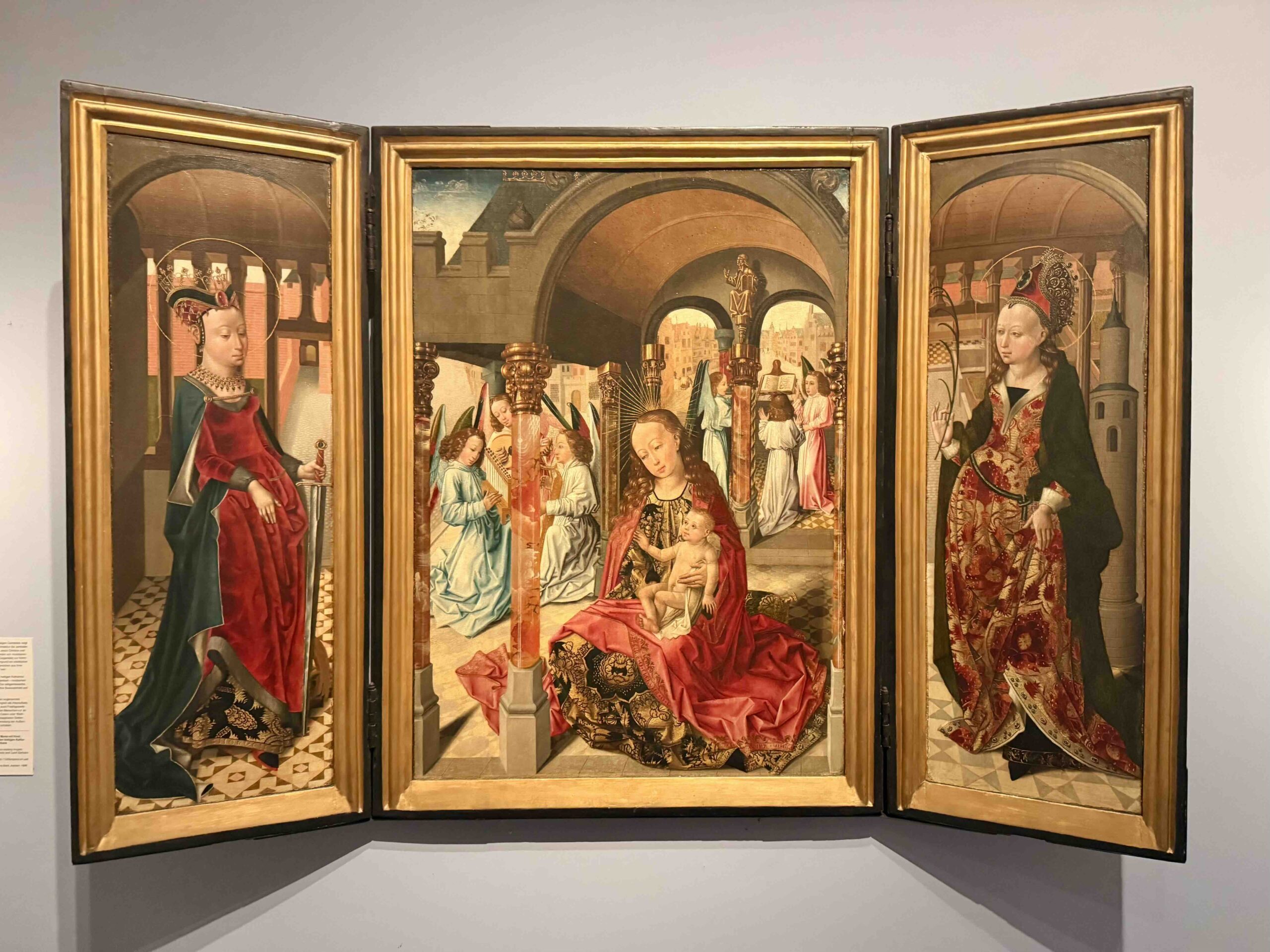
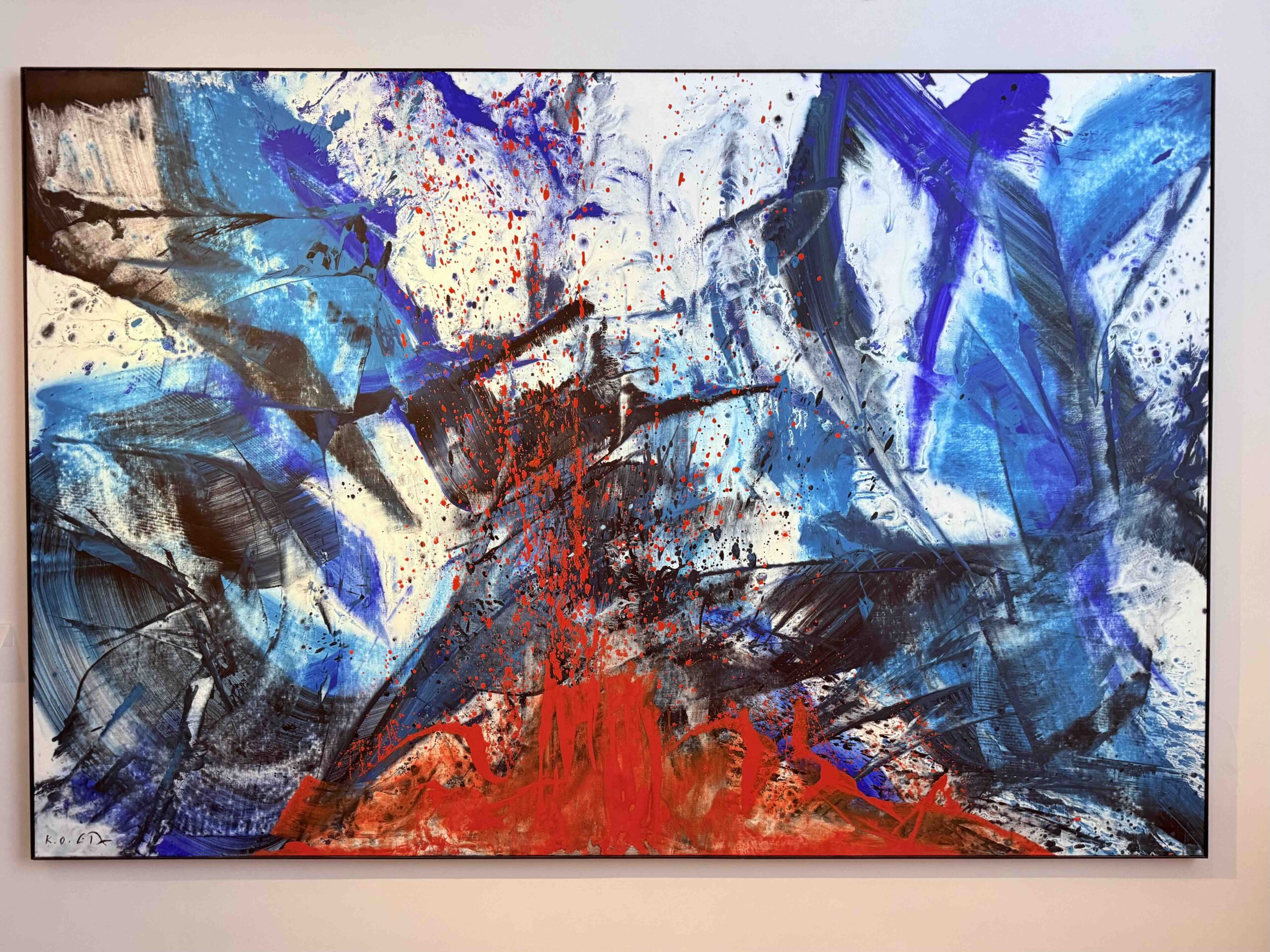
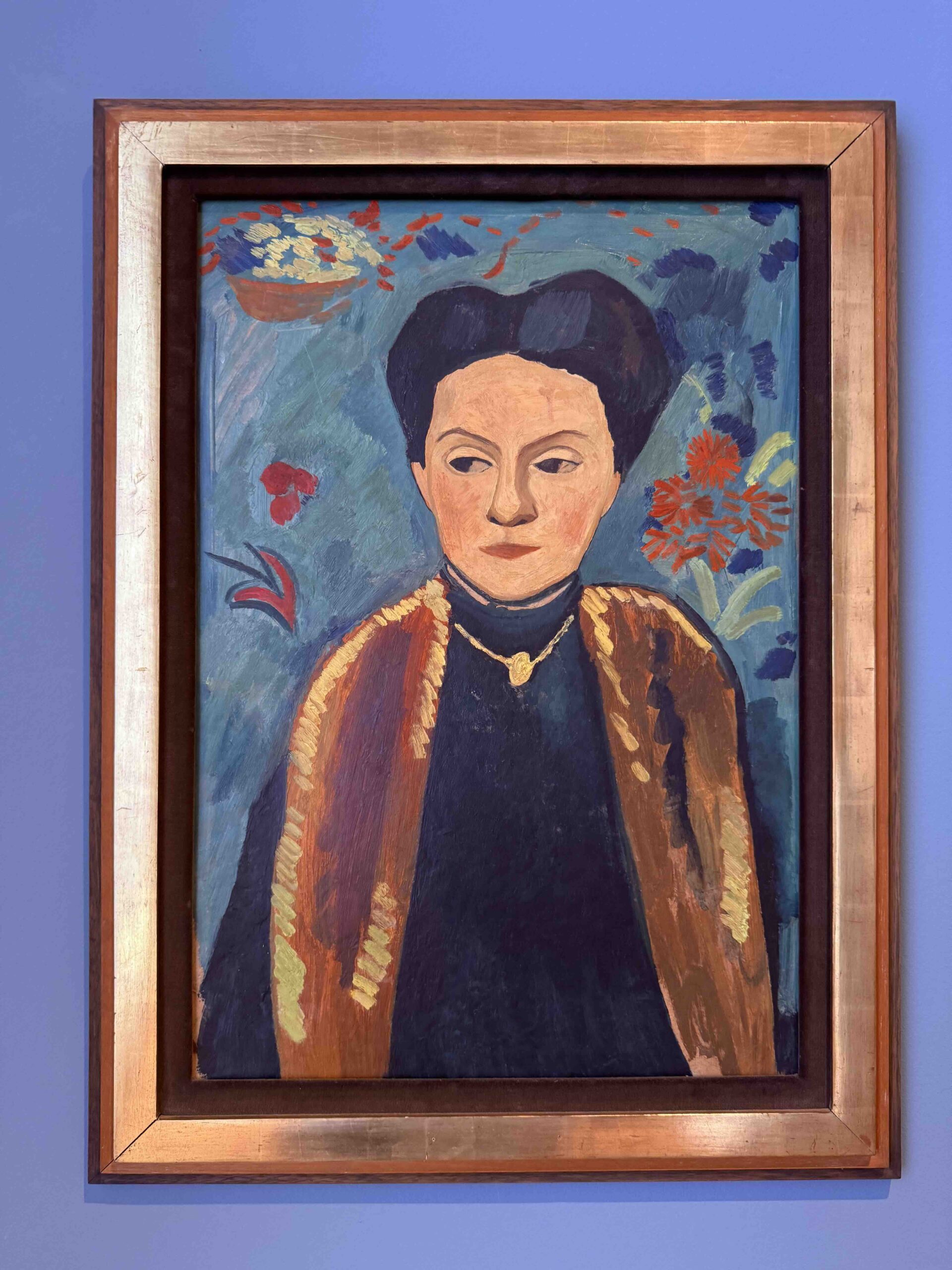
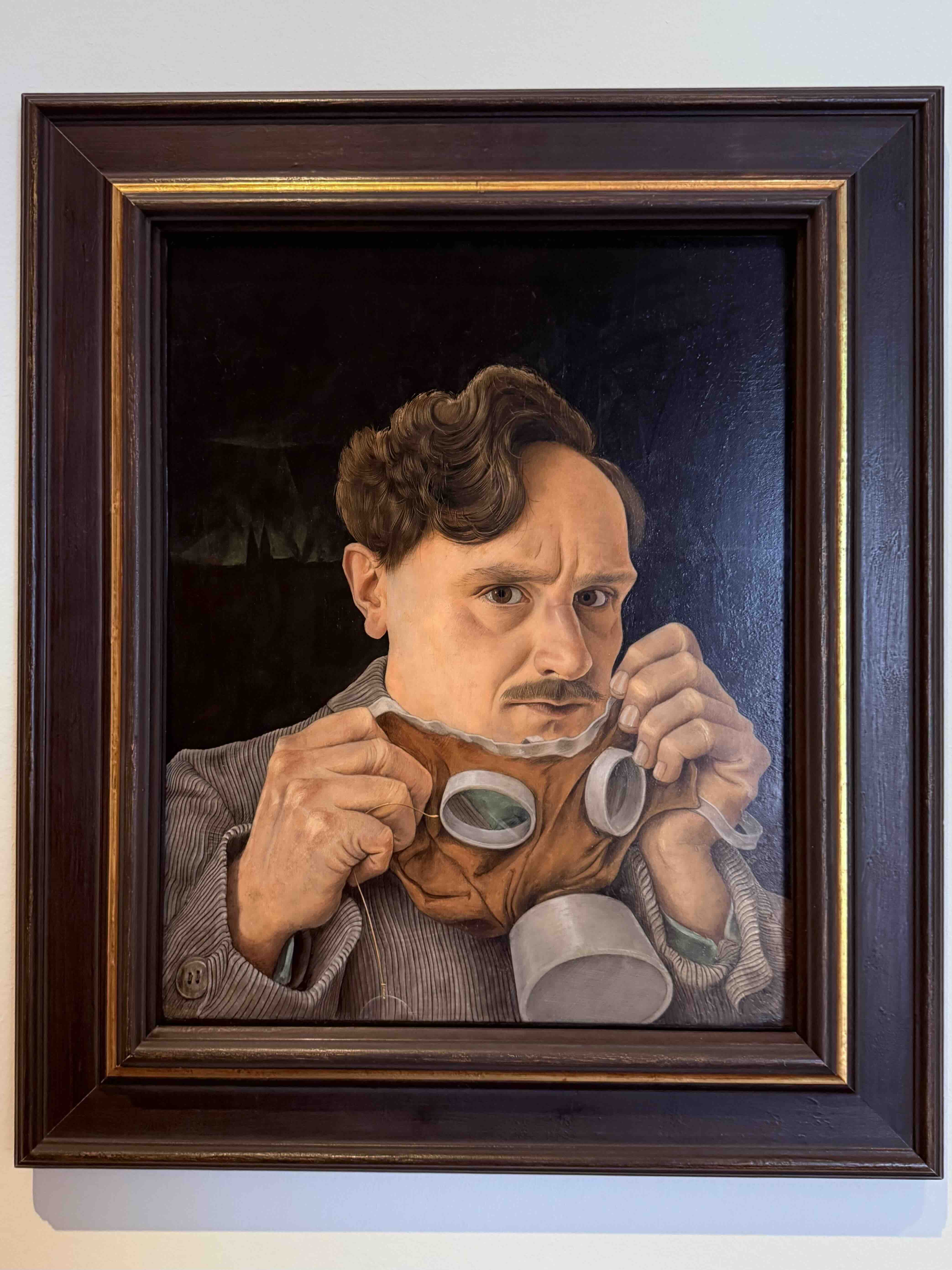
Finally, this museum is a place where history, beauty, and a hint of chocolate legacy blend into one very cultured afternoon.
Suermondt-Ludwig-Museum
Address:
Wilhelmstraße 18, 52070 Aachen
Phone: +49 0241 4798030
Hours:
Monday Closed
Tuesday 10 am–5 pm
Wednesday 10 am–5 pm
Thursday 10 am–5 pm
Friday 10 am–5 pm
Saturday 10 am–5 pm
Sunday 10 am–5 pm
The International Newspaper Museum
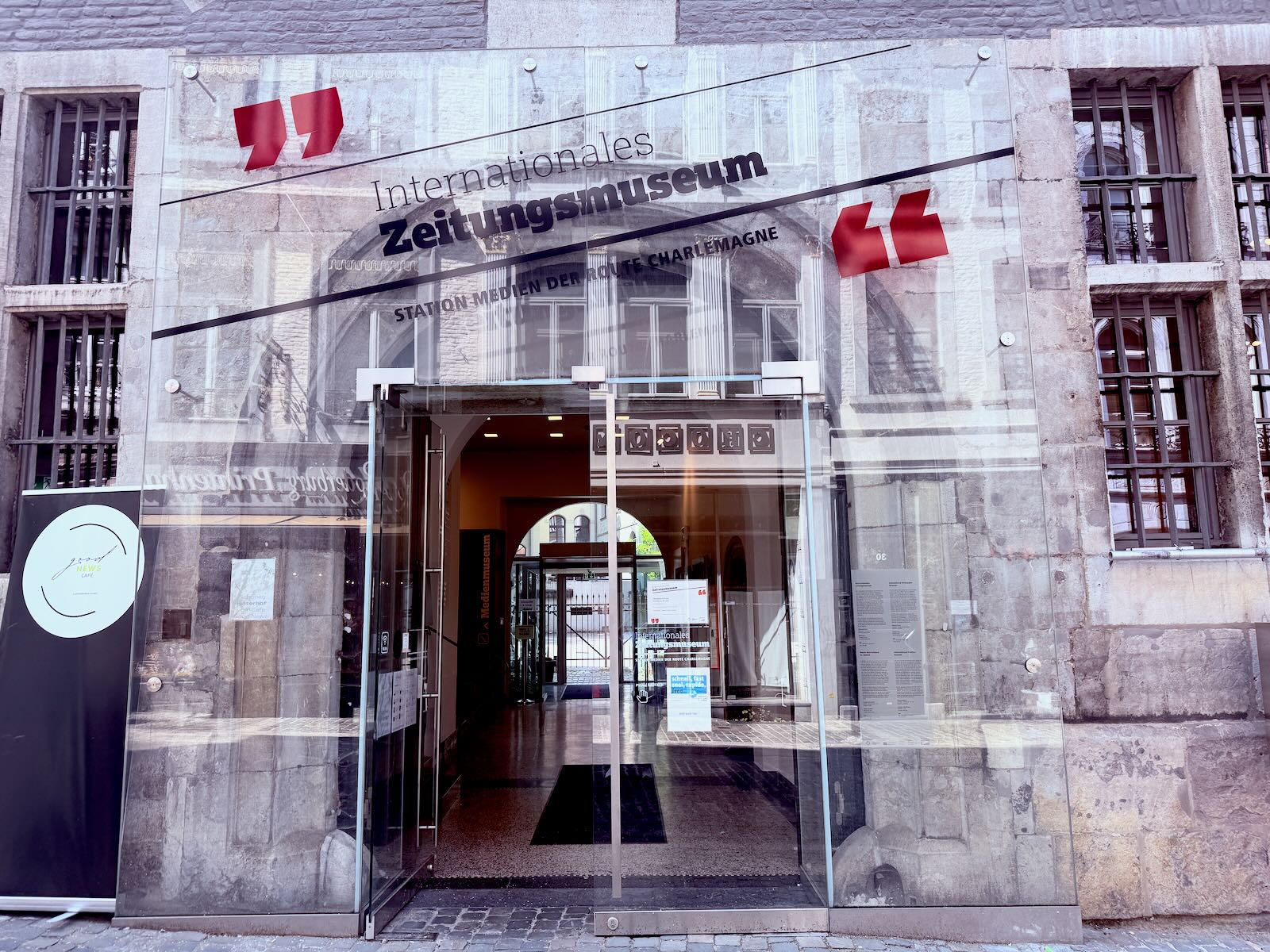
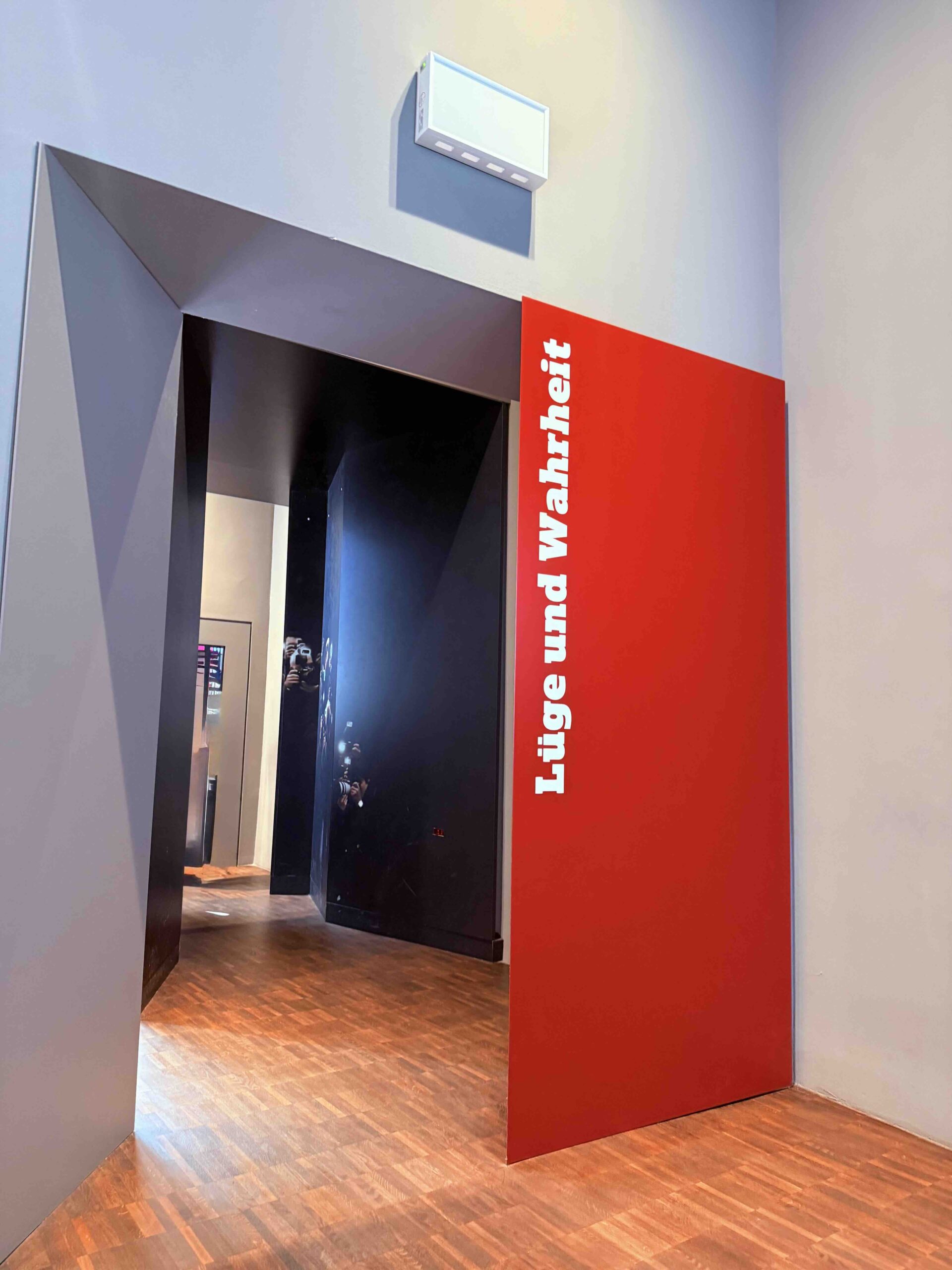
Tucked into a handsome historic building in Aachen’s old town, the International Newspaper Museum is proof that print is far from dead — it’s just gone on display. Here, the walls and cases are lined with centuries of headlines, from triumphant royal proclamations to the “you can’t make this up” variety of oddball news. It’s like stepping into a time machine made entirely of ink and paper.
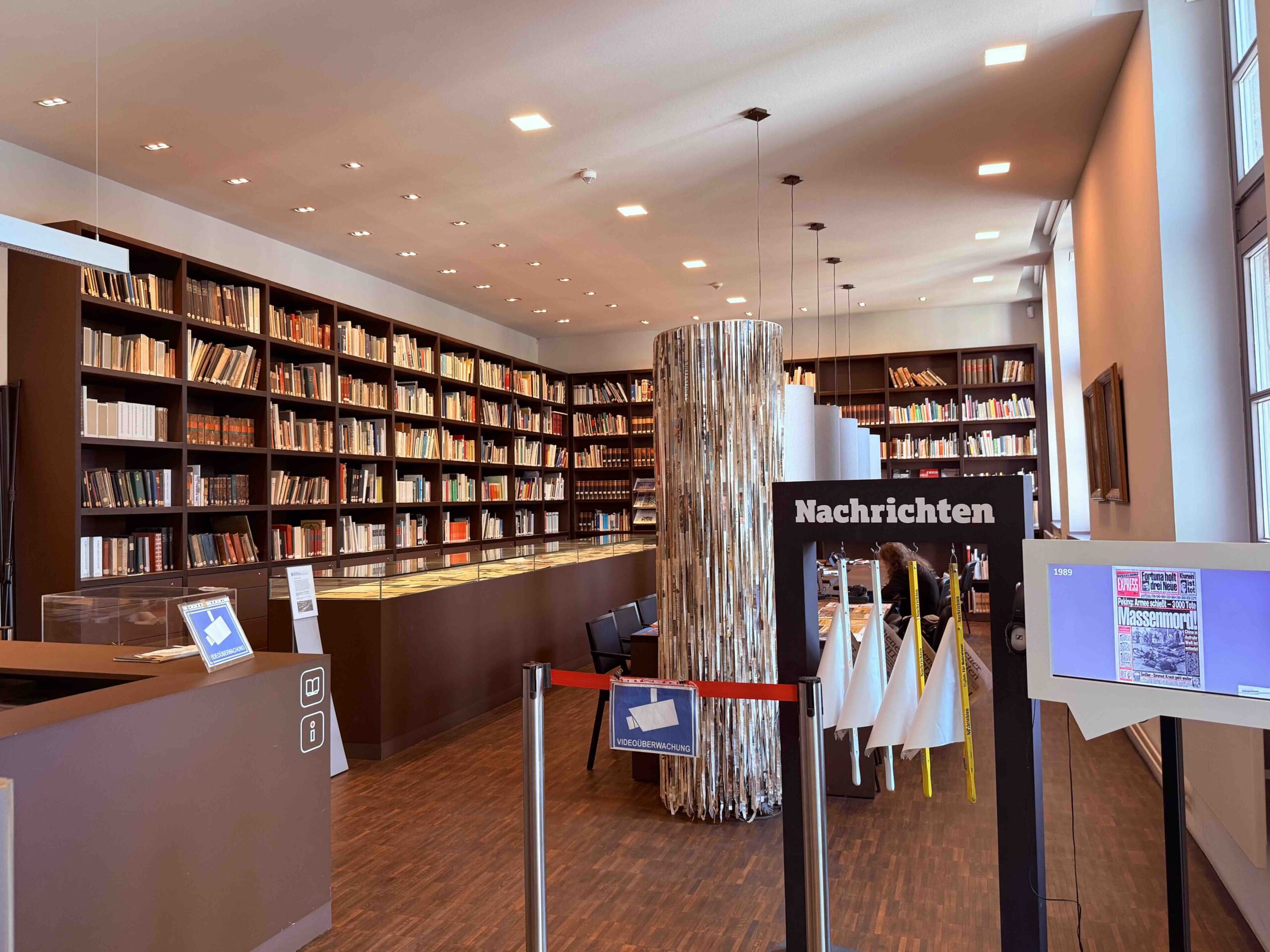
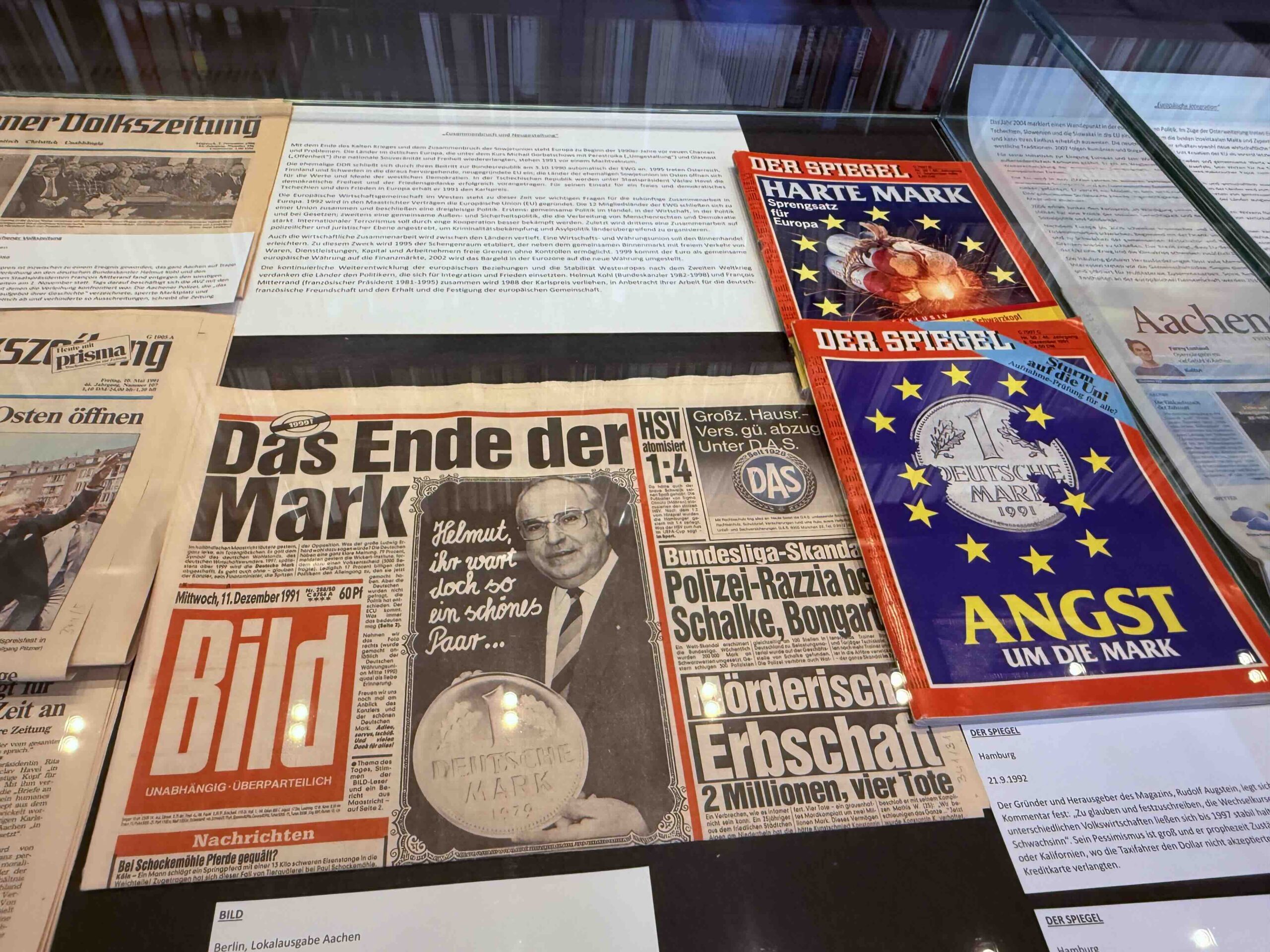
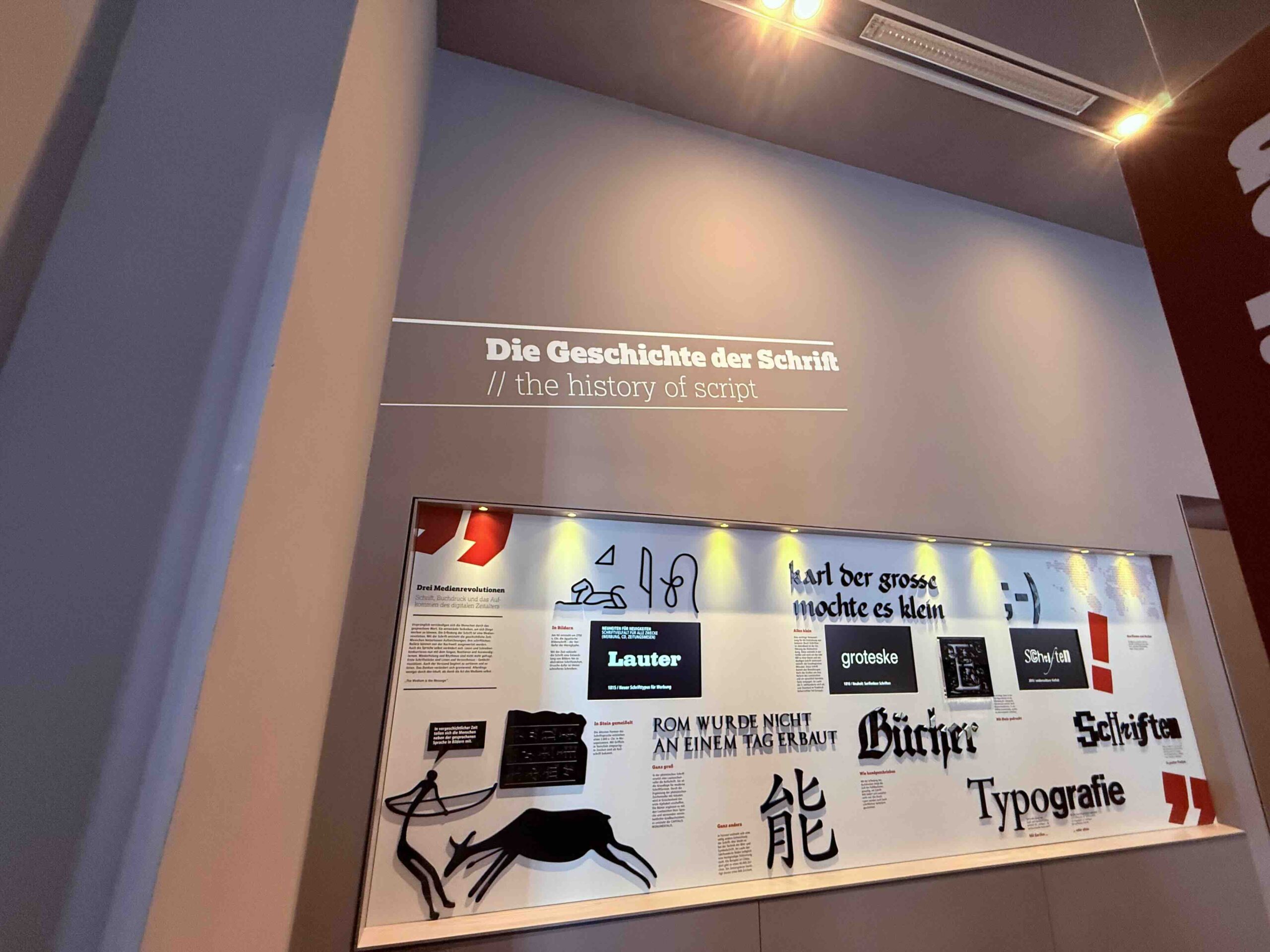
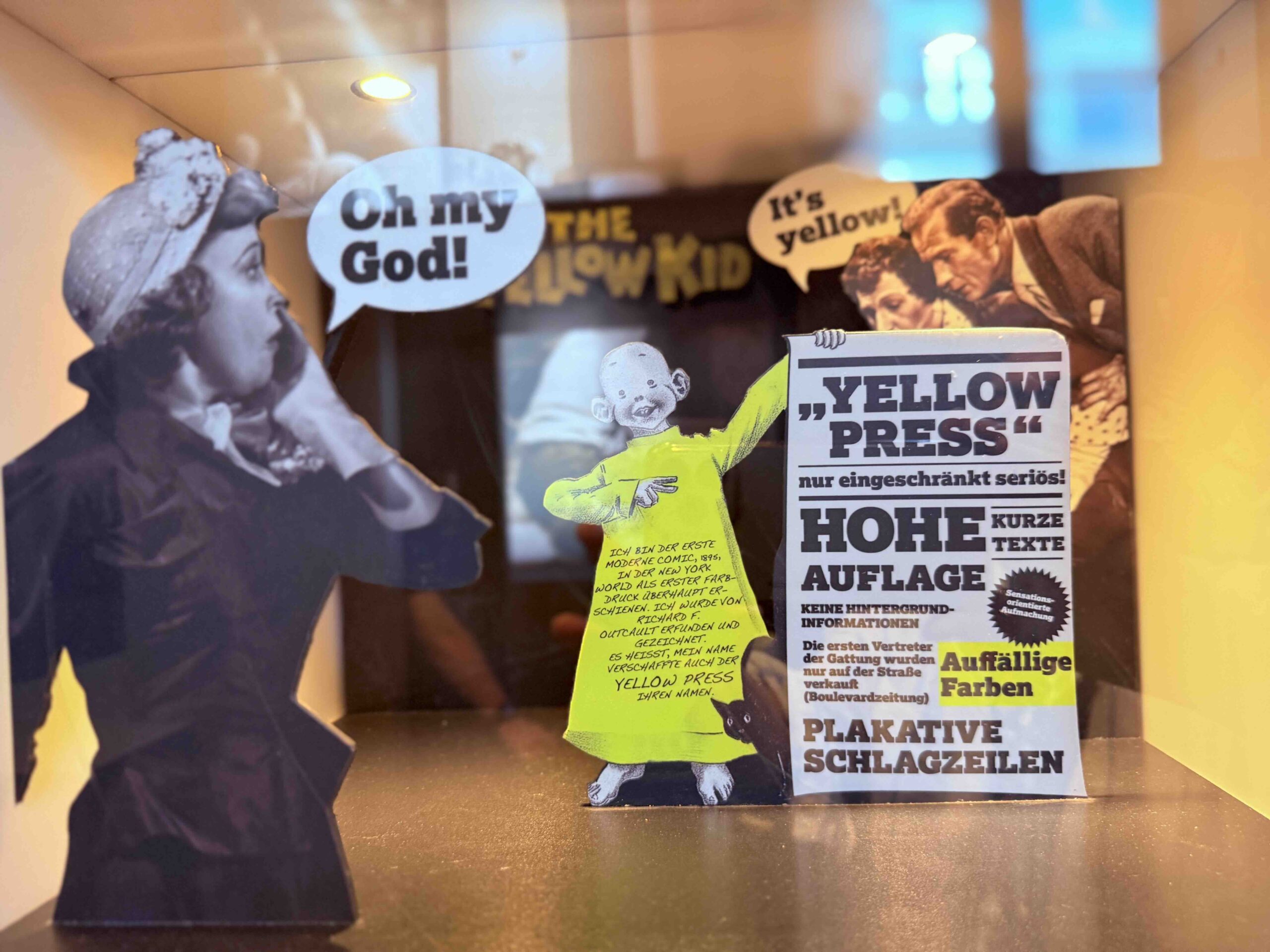
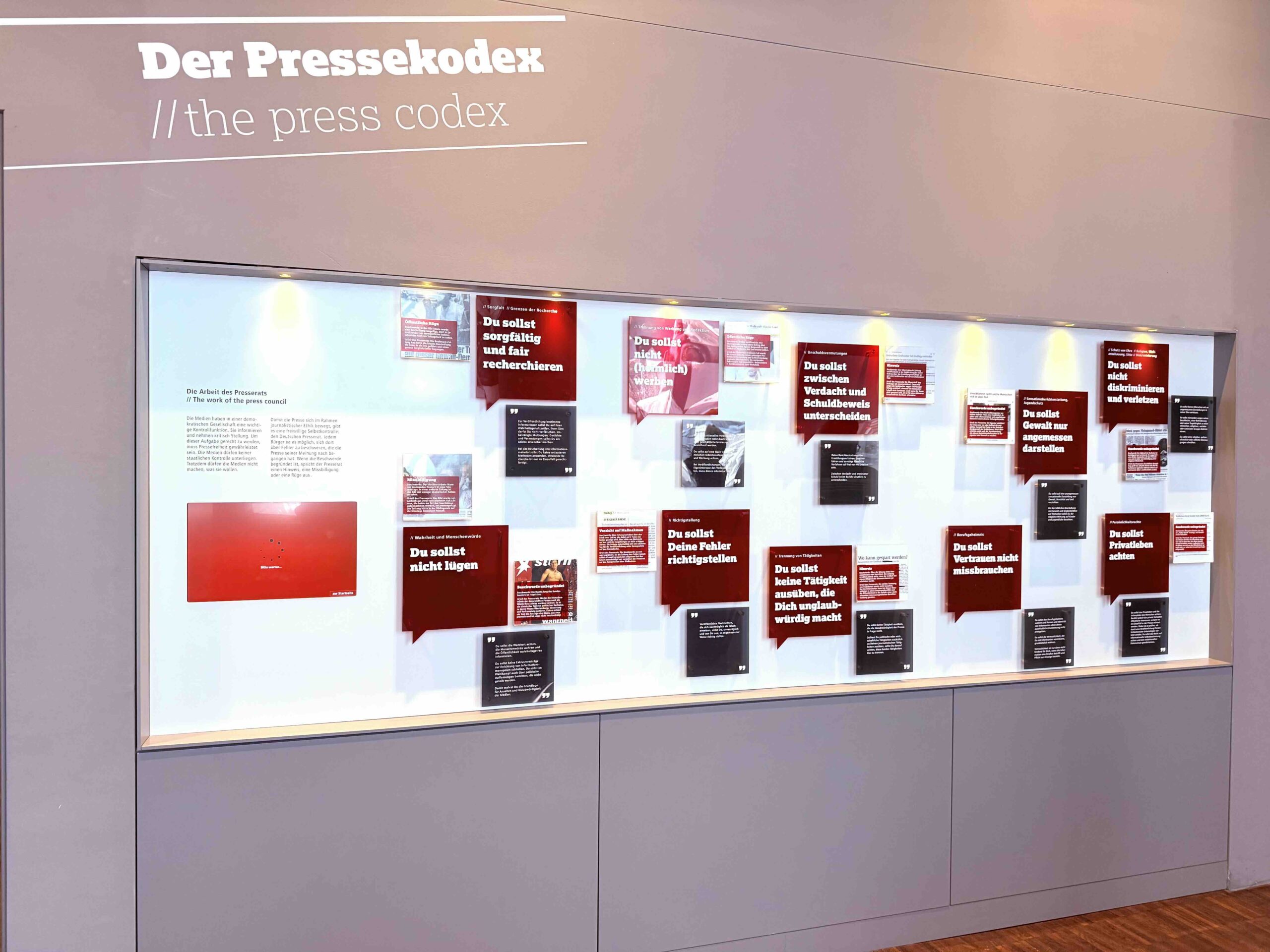
The collection is vast, with newspapers and periodicals from around the world, dating back hundreds of years. You’ll see rare first editions, historic war reports, and the kind of vintage ads that make you both nostalgic and grateful for modern toothpaste. The exhibits explore how news has shaped politics, culture, and public opinion, making you realise that fake news is older than you thought – they just called it “satire” back then.
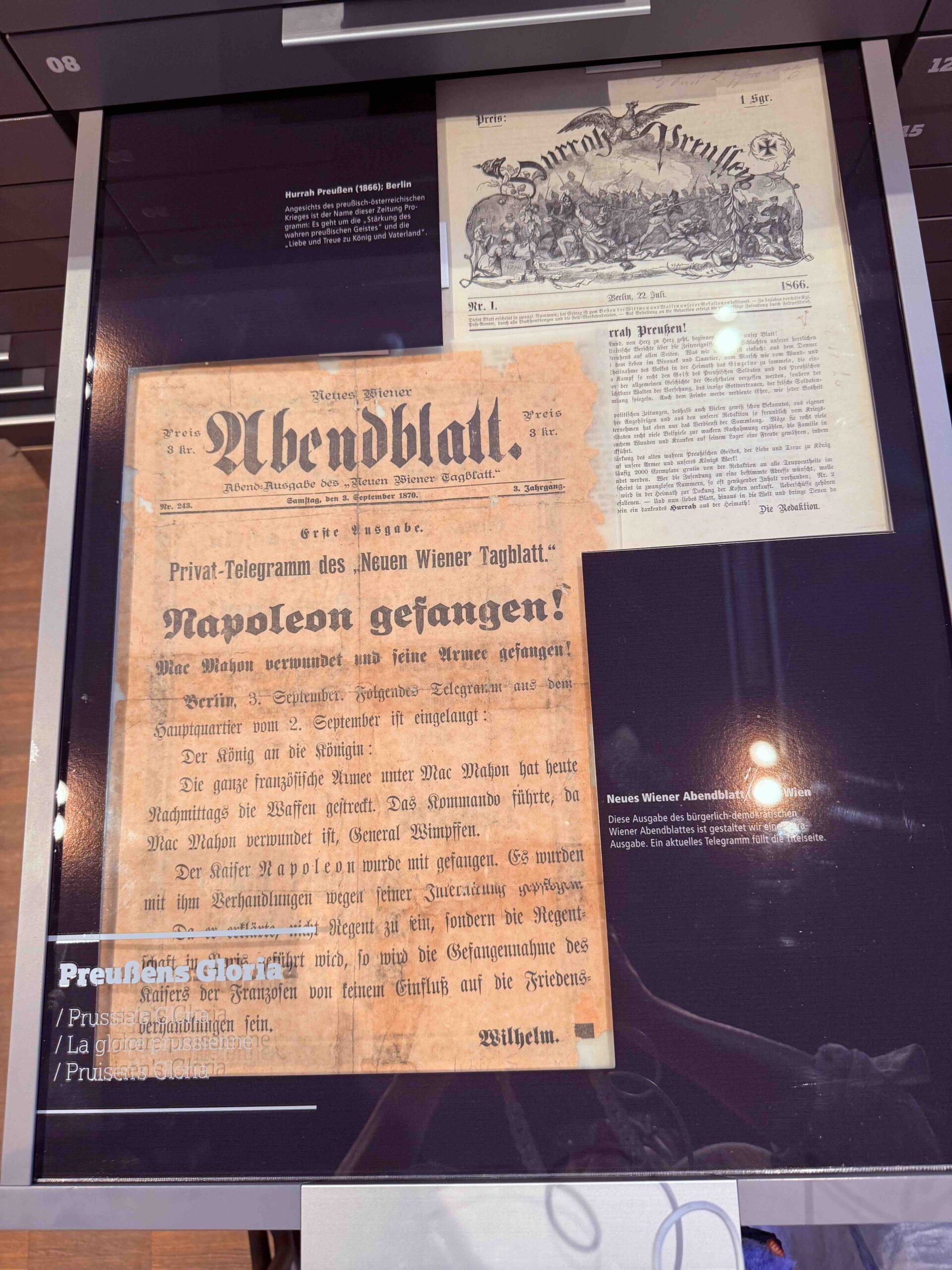
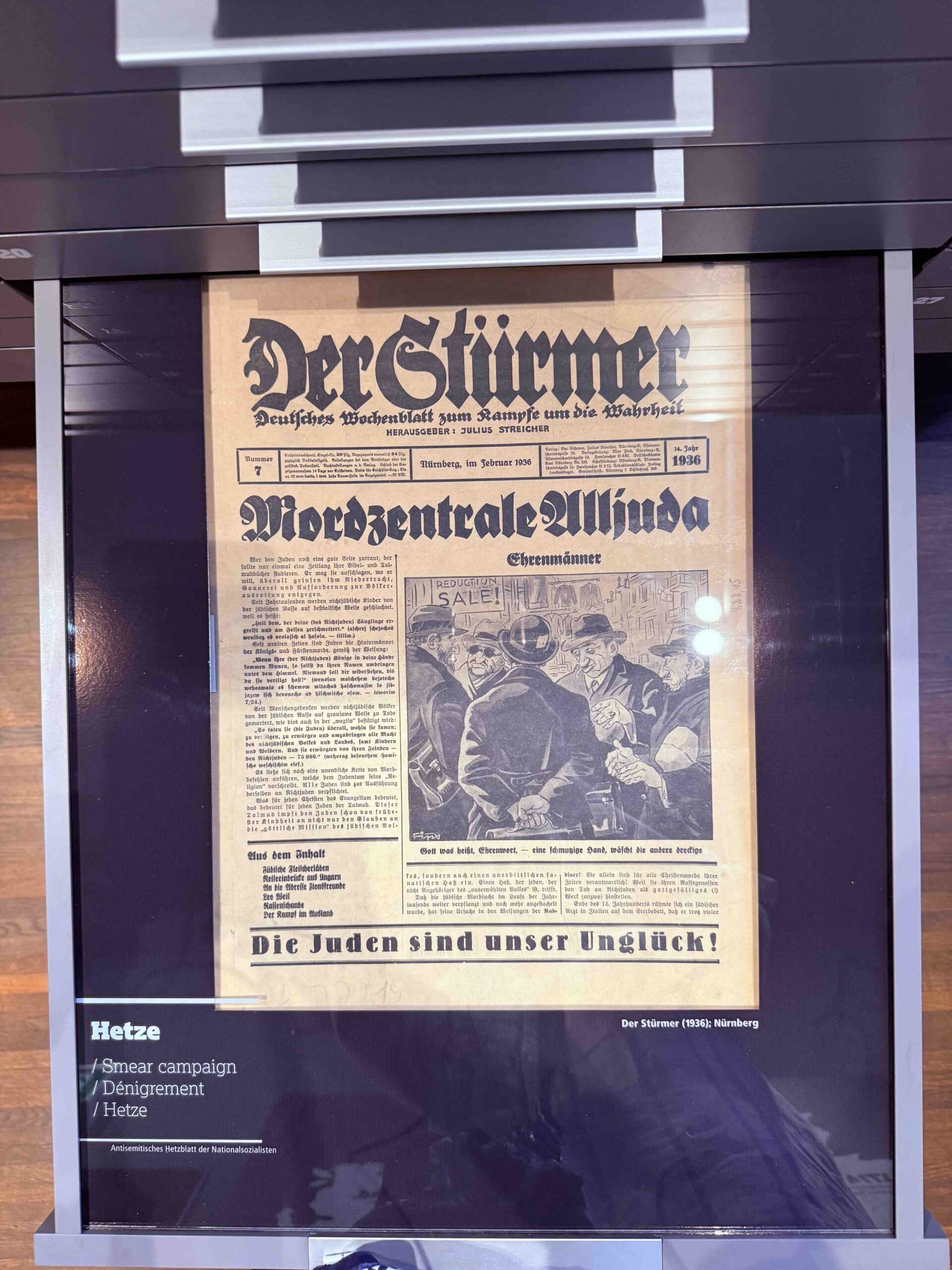
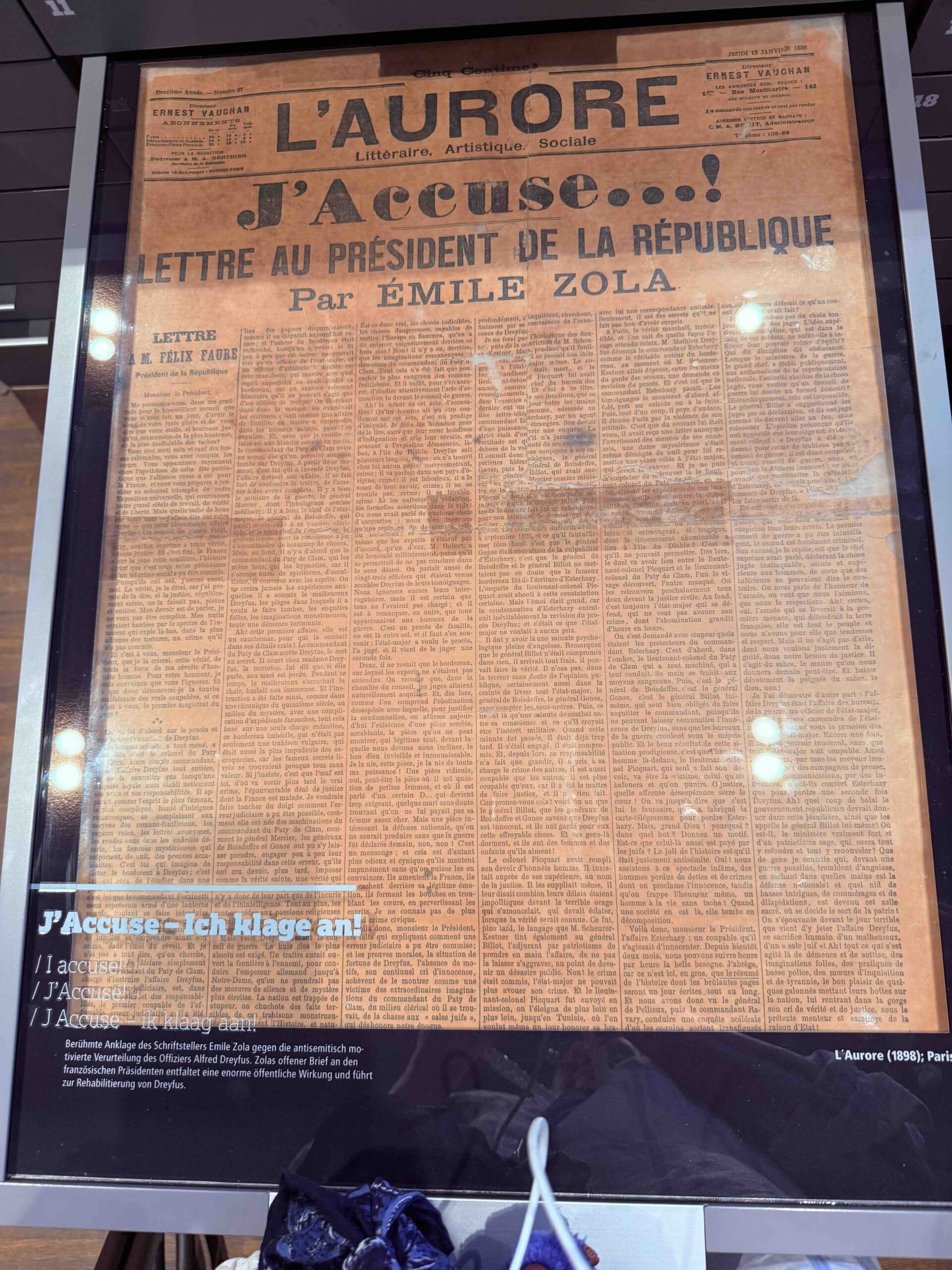
The museum’s history is almost as interesting as its content. Founded in 1931 by the passionate journalist Joseph Y. Kesselring, it began as a private collection and grew into one of the largest newspaper archives in Europe. Today, interactive displays, translations, and multimedia guides keep things lively. So even if you can’t read 18th-century German, you can still enjoy the drama.
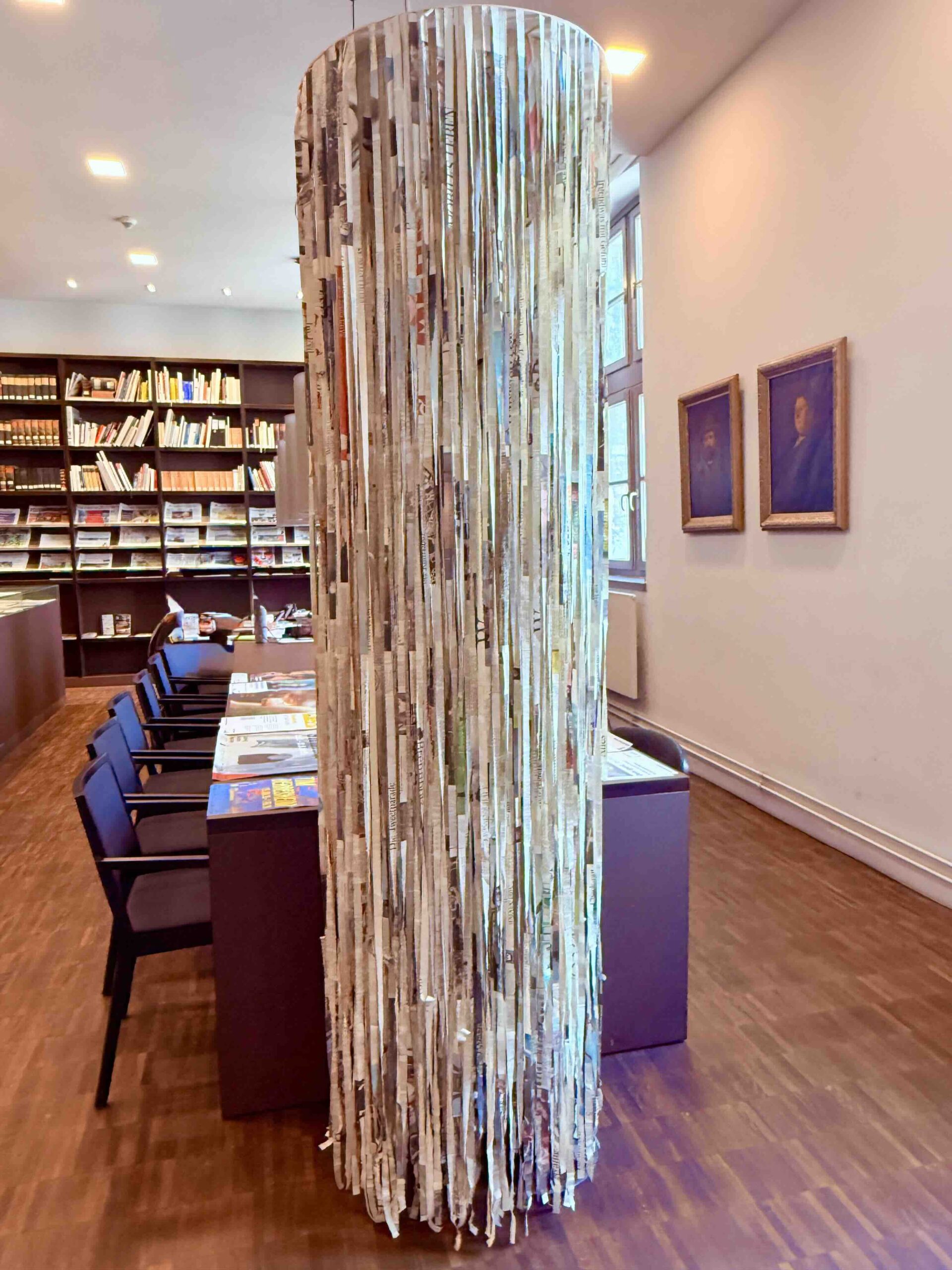
Paul Julius Reuter, the founder of the Reuters news agency, has an interesting Aachen connection. In 1850, he launched his fledgling news service on the same street as the museum. During a gap in the telegraph network between Aachen and Brussels, Reuter contracted carrier pigeons to fly market news between the cities, making mail order pigeons his first “wireless service”.
The International Newspaper Museum
Address: Pontstraße 13, 52062 Aachen
Phone: 0241 4324910
Hours:
Monday Closed
Tuesday 10 am–5 pm
Wednesday 10 am–5 pm
Thursday 10 am–5 pm
Friday 10 am–5 pm
Saturday 10 am–5 pm
Sunday 10 am–5 pm
So, did you like this Aachen’s Ancient Imperial Charm post? Then also check out some of these others:
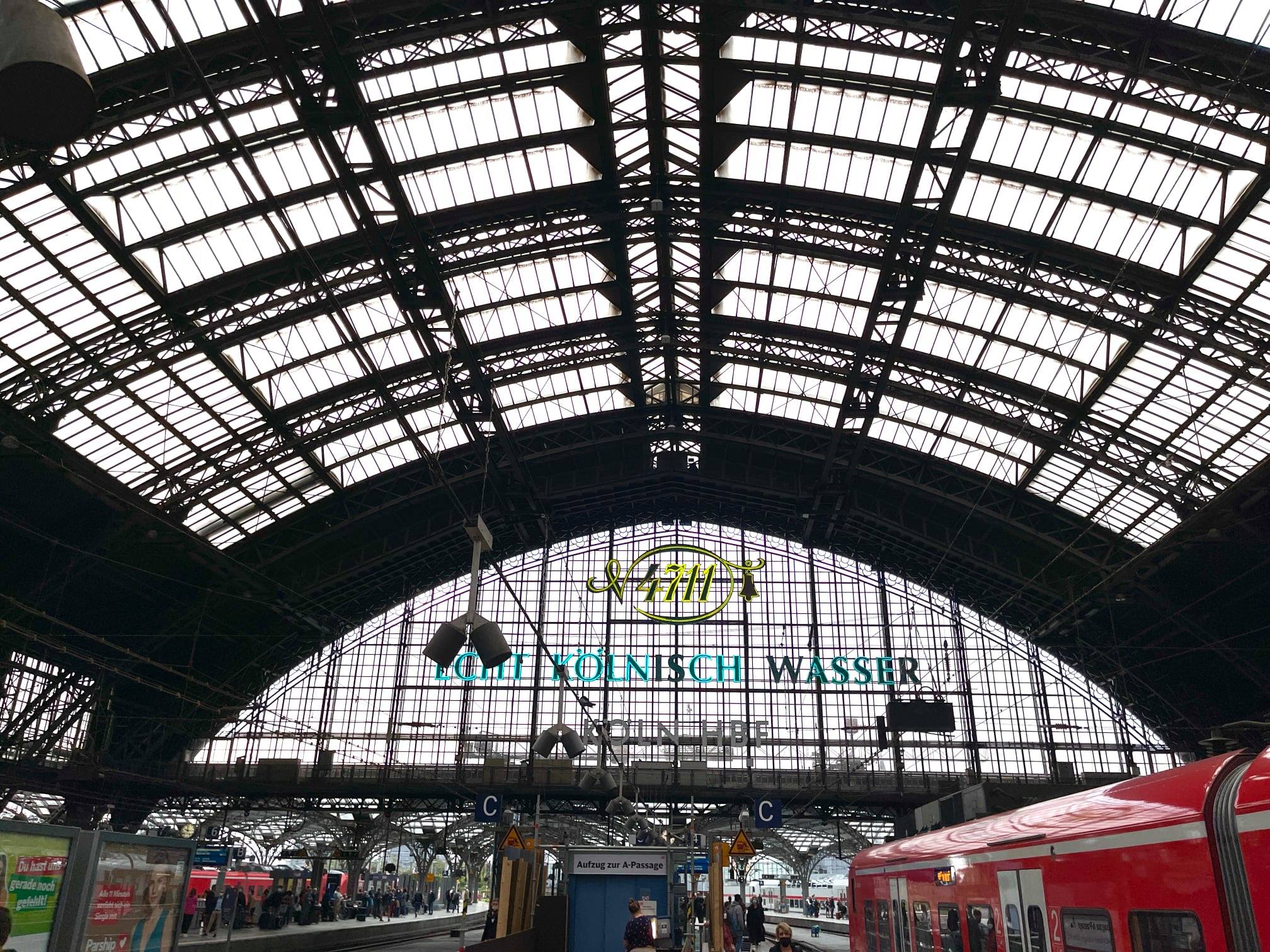
5 DIVERSE COLOGNE MUSEUMS
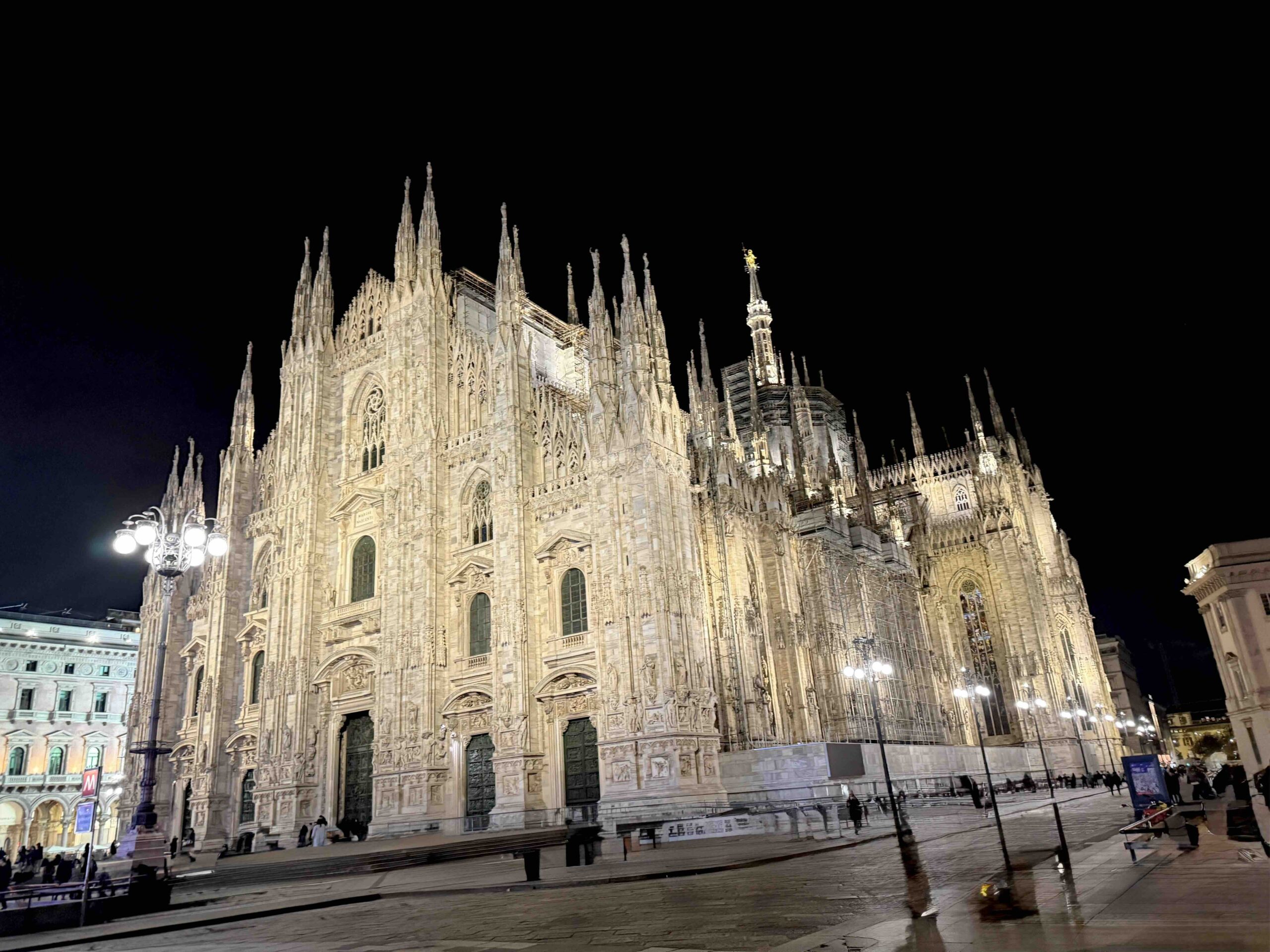
MILAN: WHERE MODERNITY MEETS MASTERPIECES

AACHEN CHRISTMAS MARKET AND PRINTEN RECIPE
