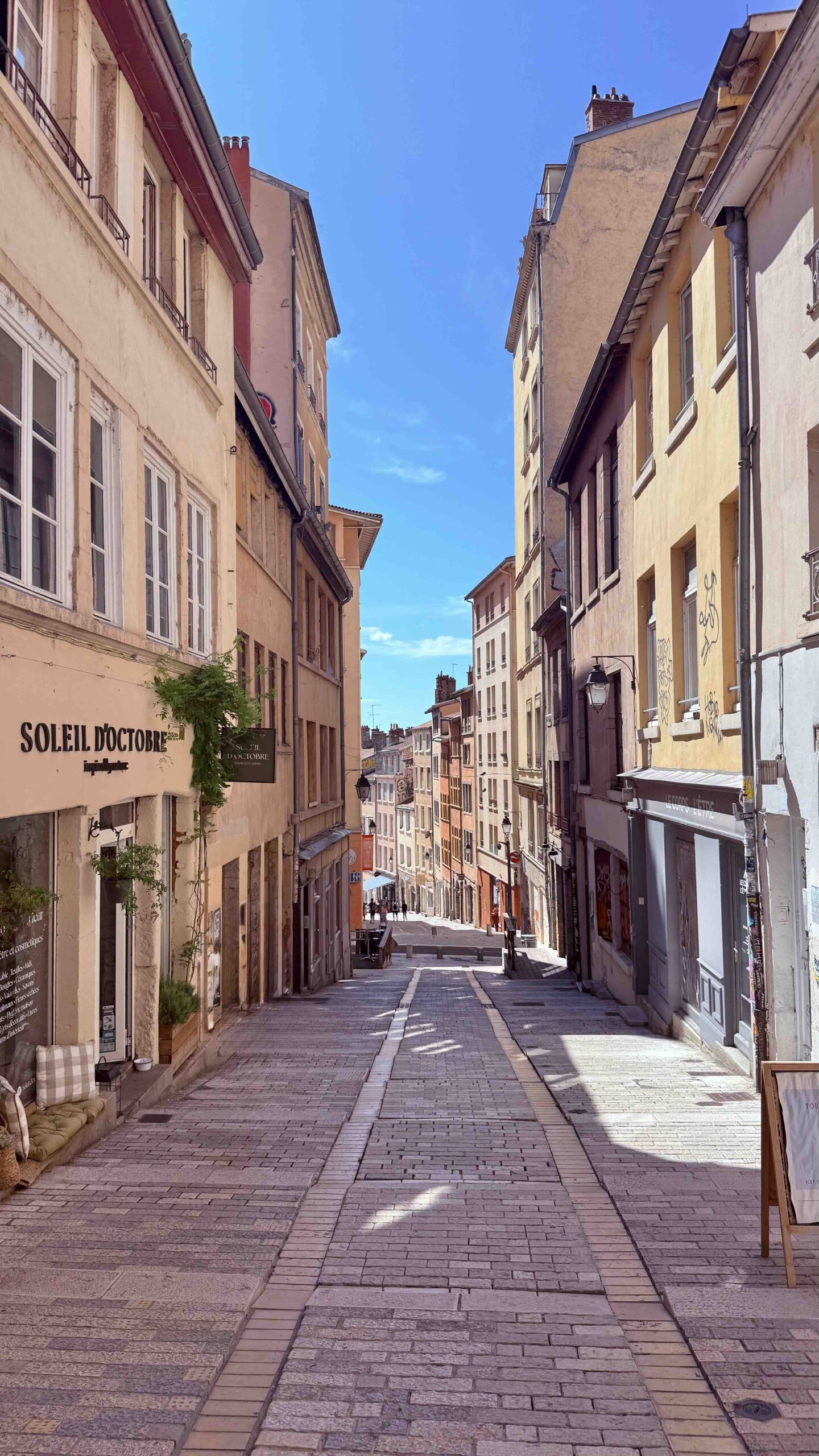
Lyon is the kind of city that refuses to fit neatly into one category. It is France’s gastronomic capital, where legendary bouchons, bustling food halls, pralines, chocolate, and serious culinary traditions make eating an attraction in itself. Yet there is plenty to digest beyond the dinner table. A look at Lyon’s Food, History & Resistance reveals Roman ruins exposing Lyon’s beginnings as ancient Lugdunum. Furthermore, magnificent churches rise above the city, and hidden traboules wind through its historic neighborhoods.
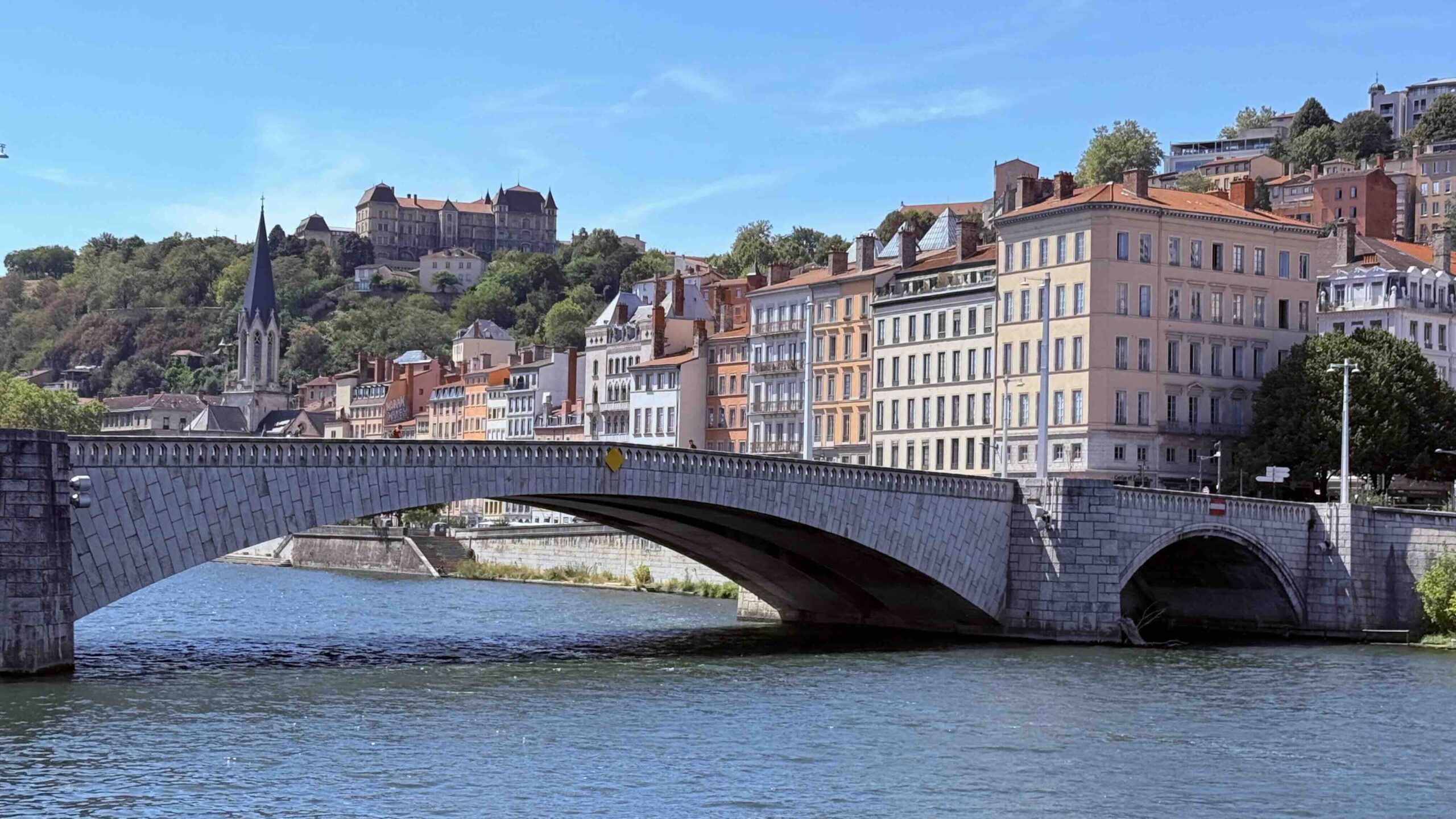
Lyon also revolutionized the silk industry. Moreover, it is the birthplace of cinema thanks to the Lumière brothers. It played a pivotal role in the French Resistance during World War II. Add in elegant squares, quirky museums, lively markets, and beautiful architecture. Set where the Rhône and Saône rivers meet, Lyon serves up a surprisingly rich menu. Here is my Lyon’s Food, History & Resistance roundup of a recent visit.
Bouchons
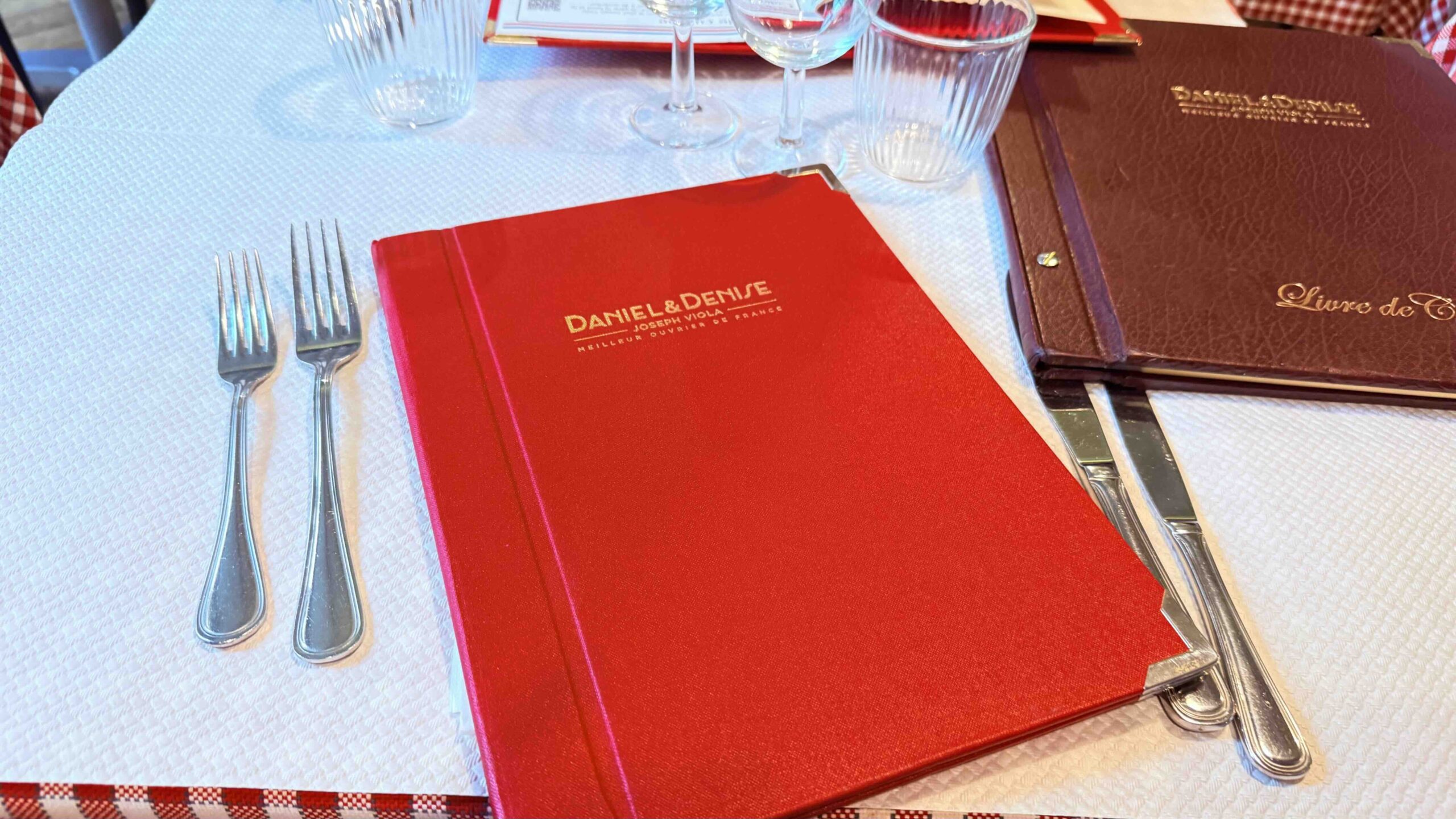
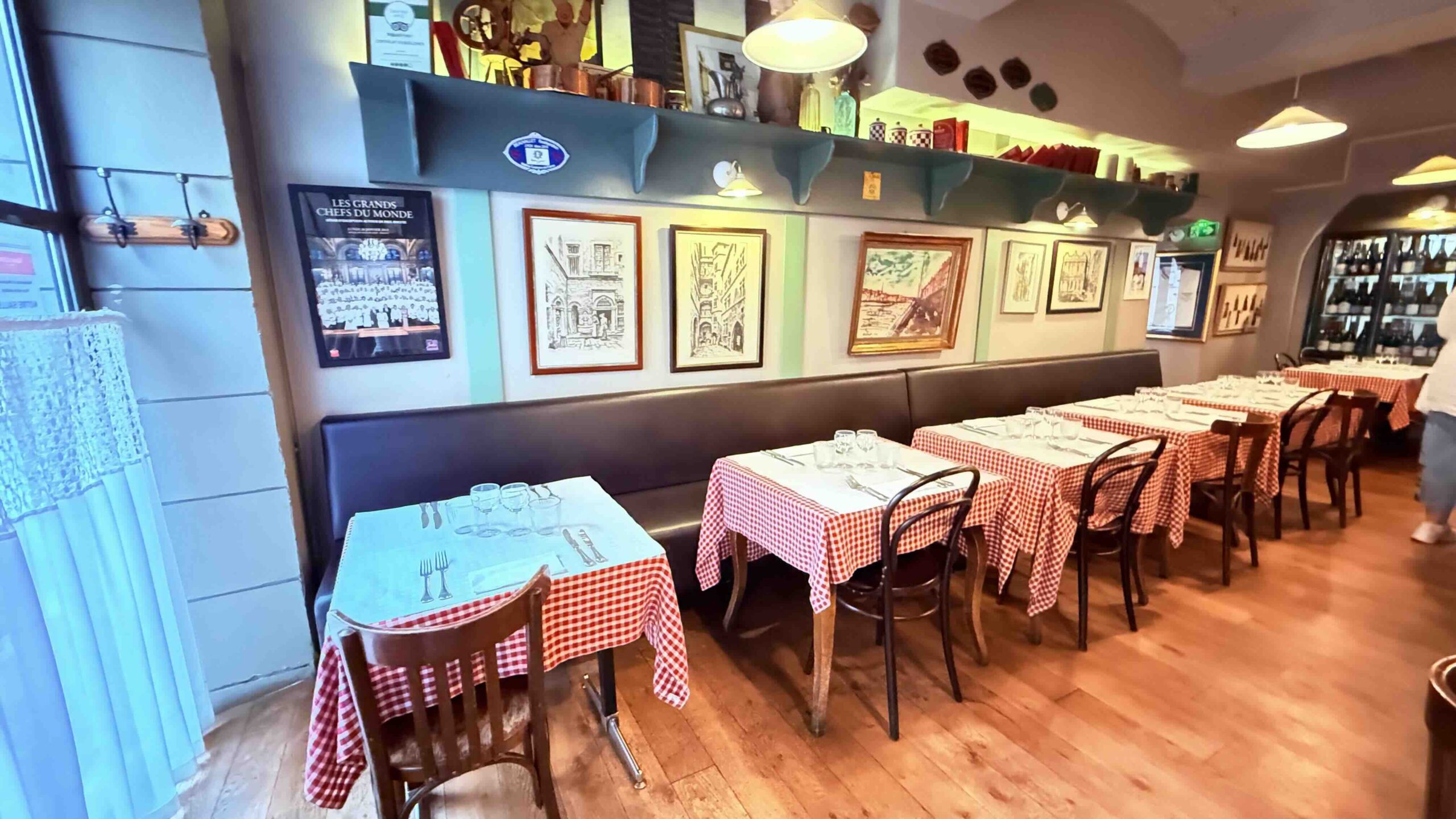
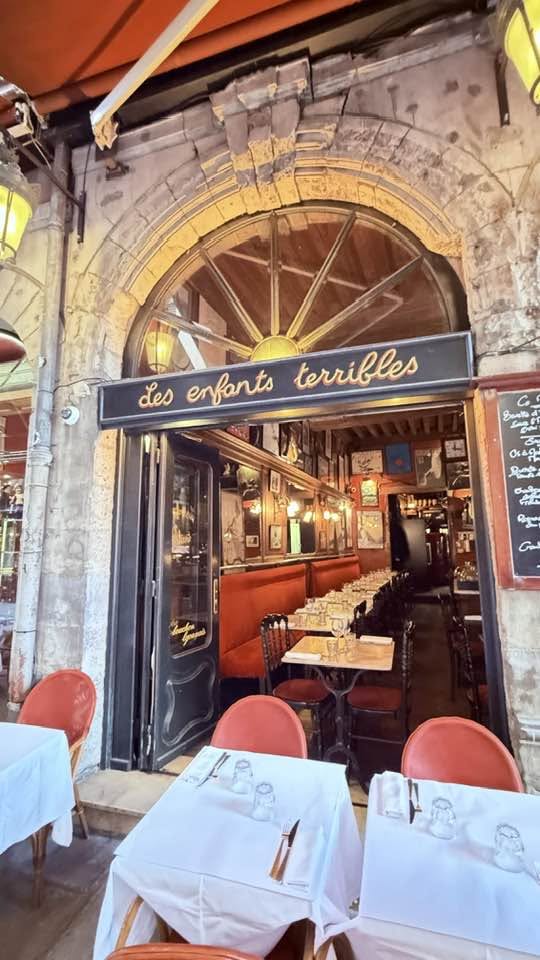
A bouchon is Lyon’s traditional neighborhood restaurant. Part restaurant, part tradition, and entirely unapologetic about butter, sausage, cream, and calories. It’s a place built around hearty, unfussy Lyonnaise cooking rather than haute cuisine.
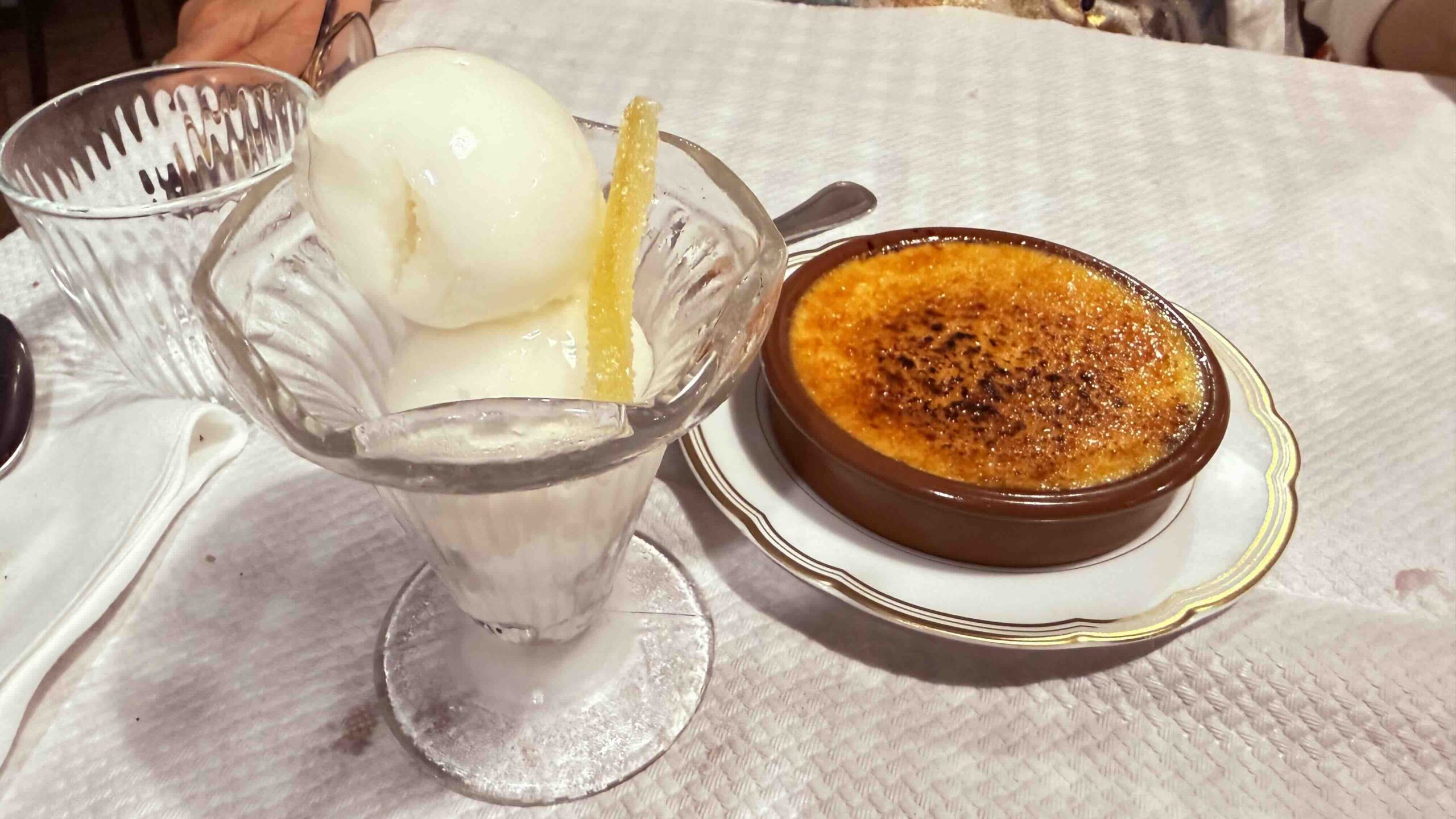
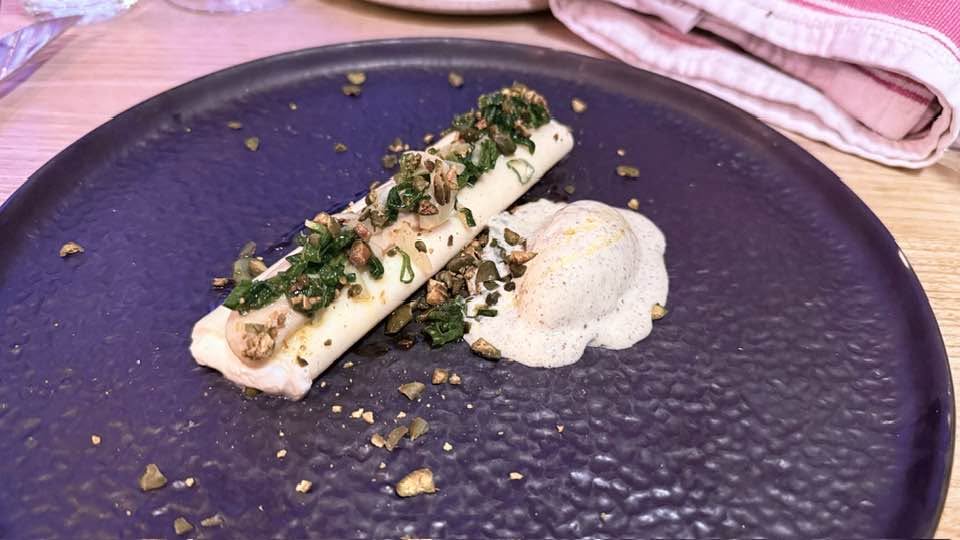
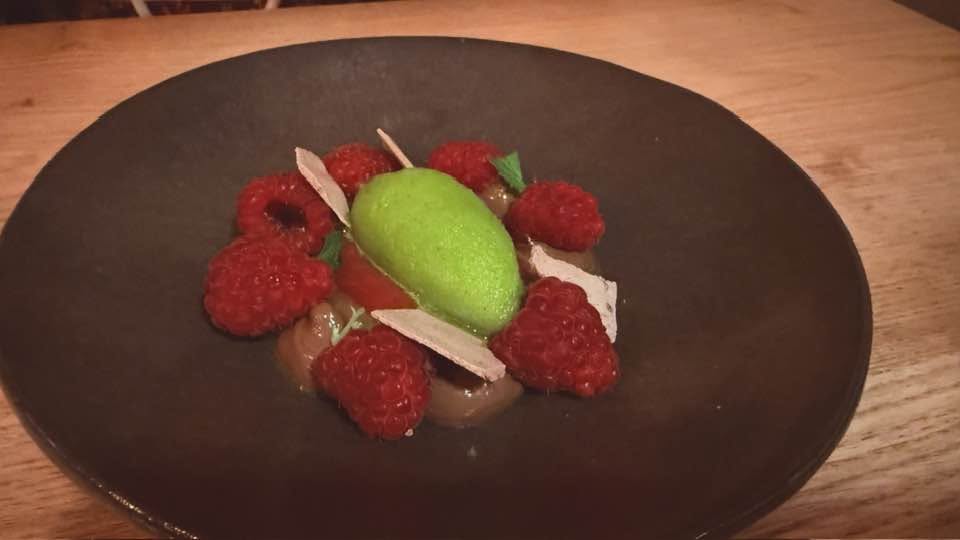
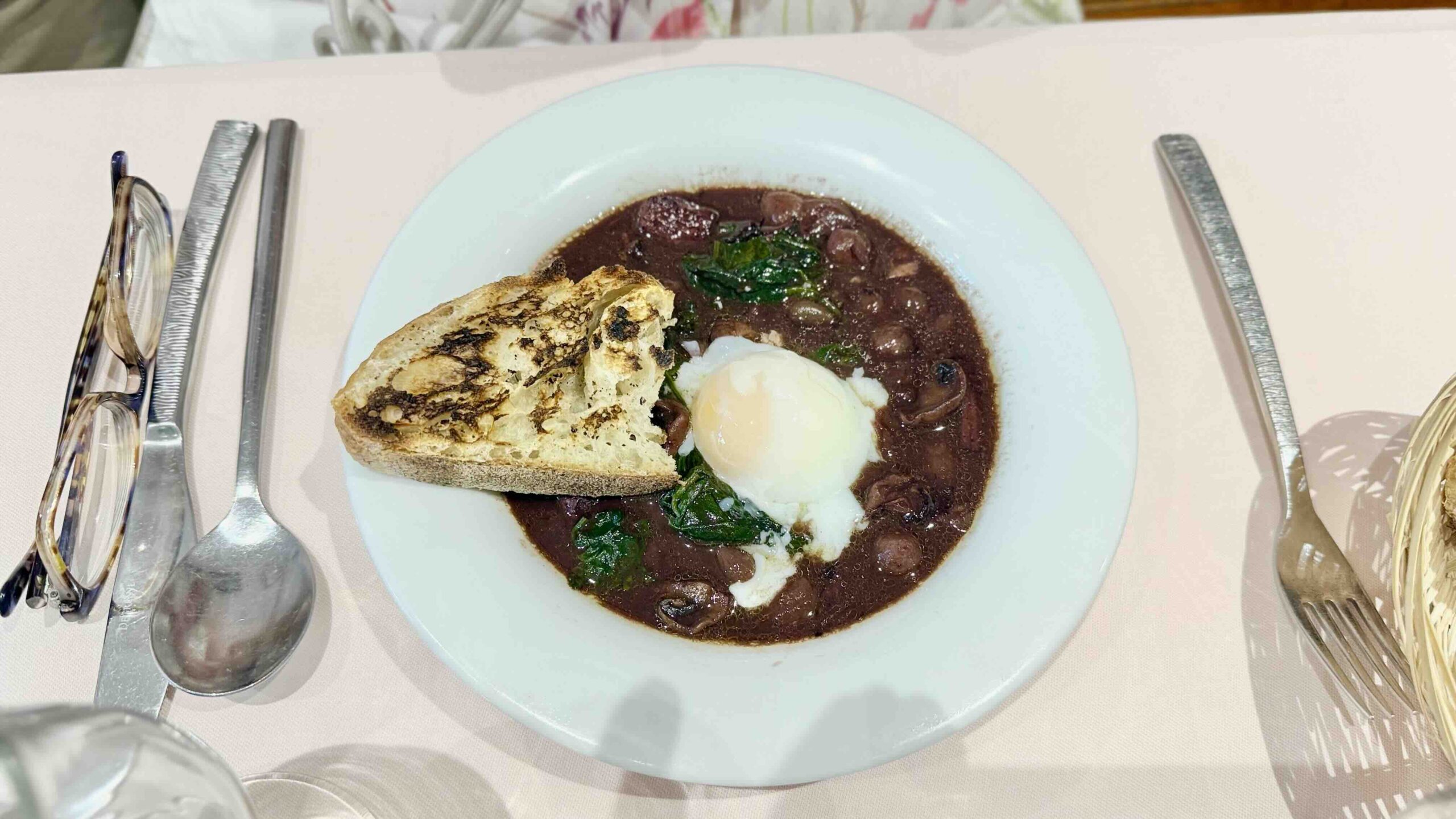
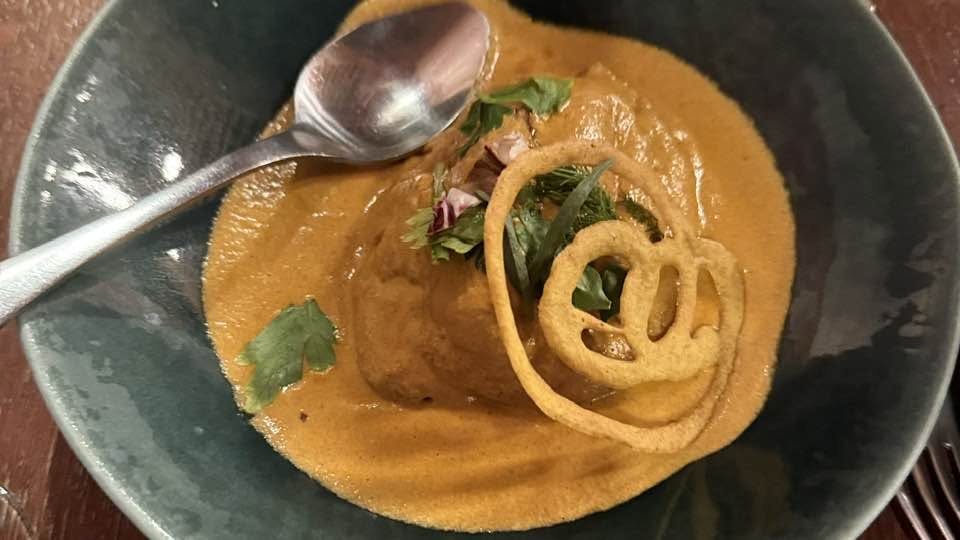
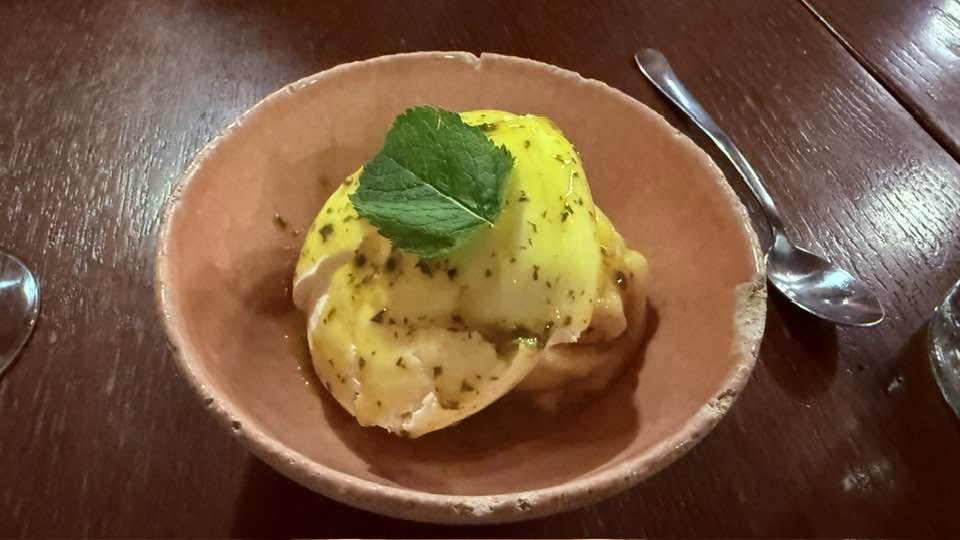
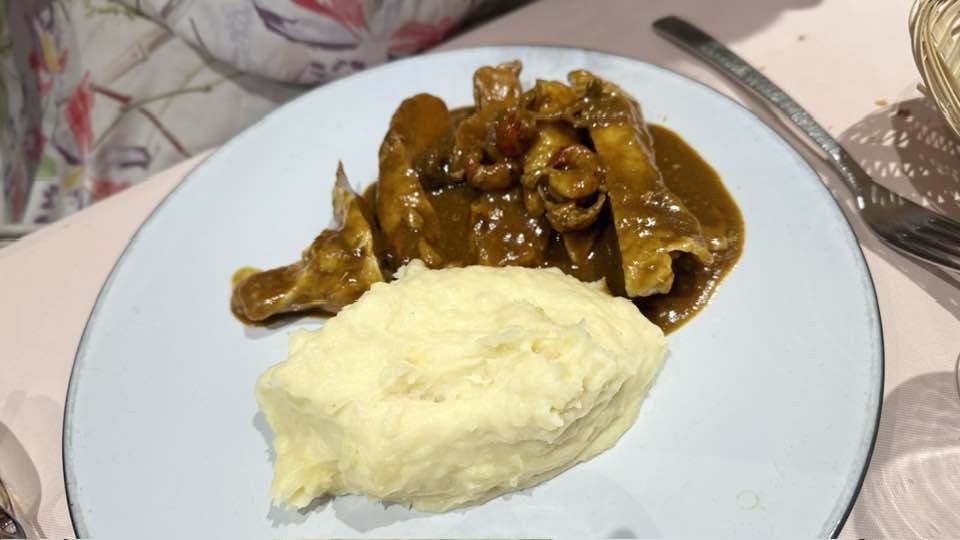
The tradition grew out of the city’s working-class food culture. The mères lyonnaises, the legendary female cooks who helped establish Lyon’s culinary reputation. Expect generous portions and dishes such as quenelles, pâté en croûte, sausages, andouillette, coq au vin, gratins, and rich sauces, along with regional wines.
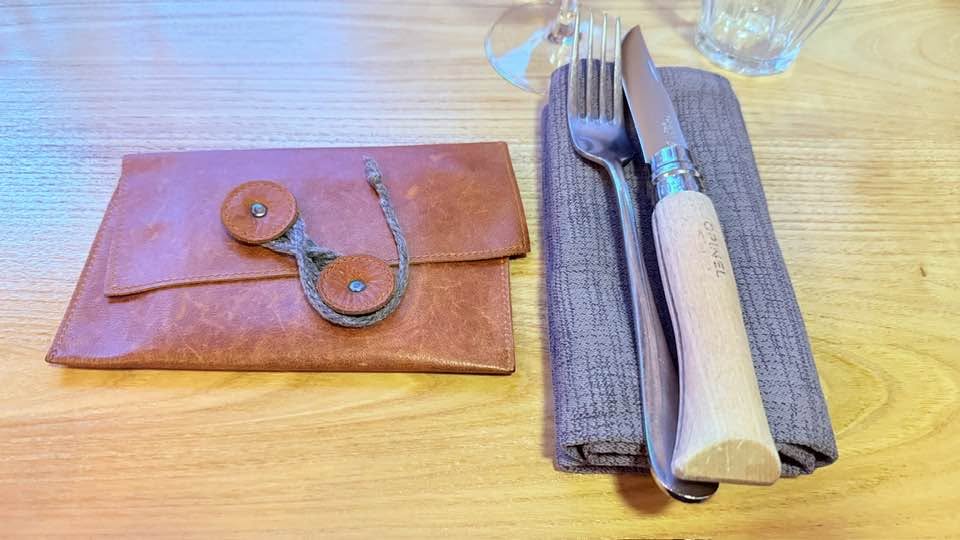
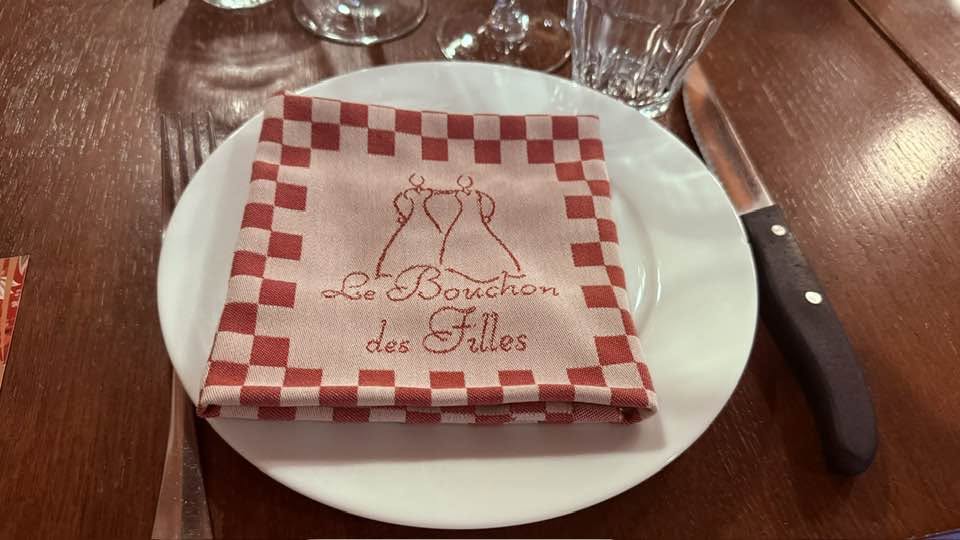
List of Bouchons in Lyon HERE
Les Halles de Lyon Paul Bocuse
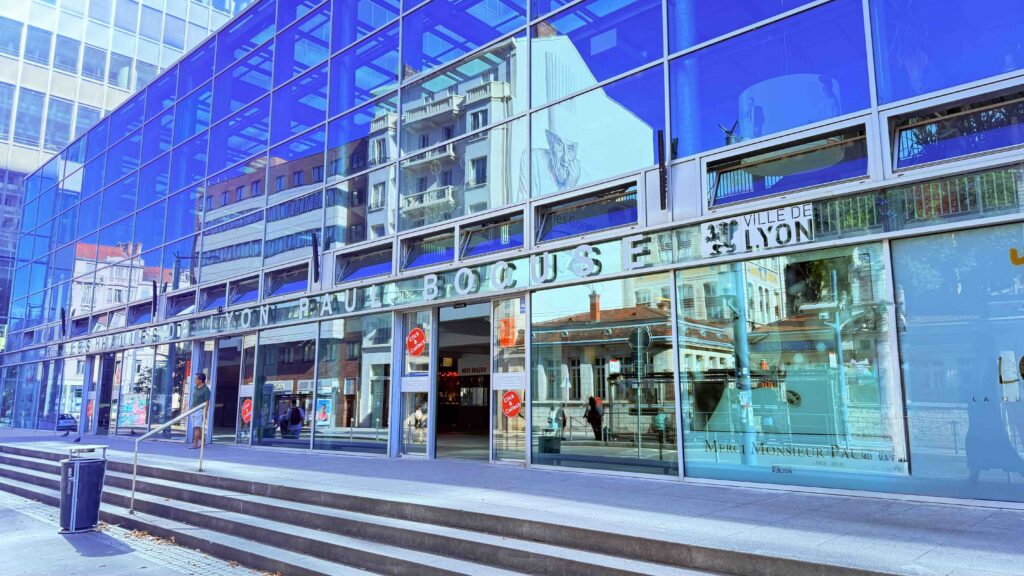
This magnificent indoor market is a bucket list stop for food lovers. Often called the “temple of Lyonnaise gastronomy”, it features roughly 55–60 food merchants. You find everything from cheeses and charcuterie to seafood, pastries, chocolates, wine, spices, meat, and prepared foods.
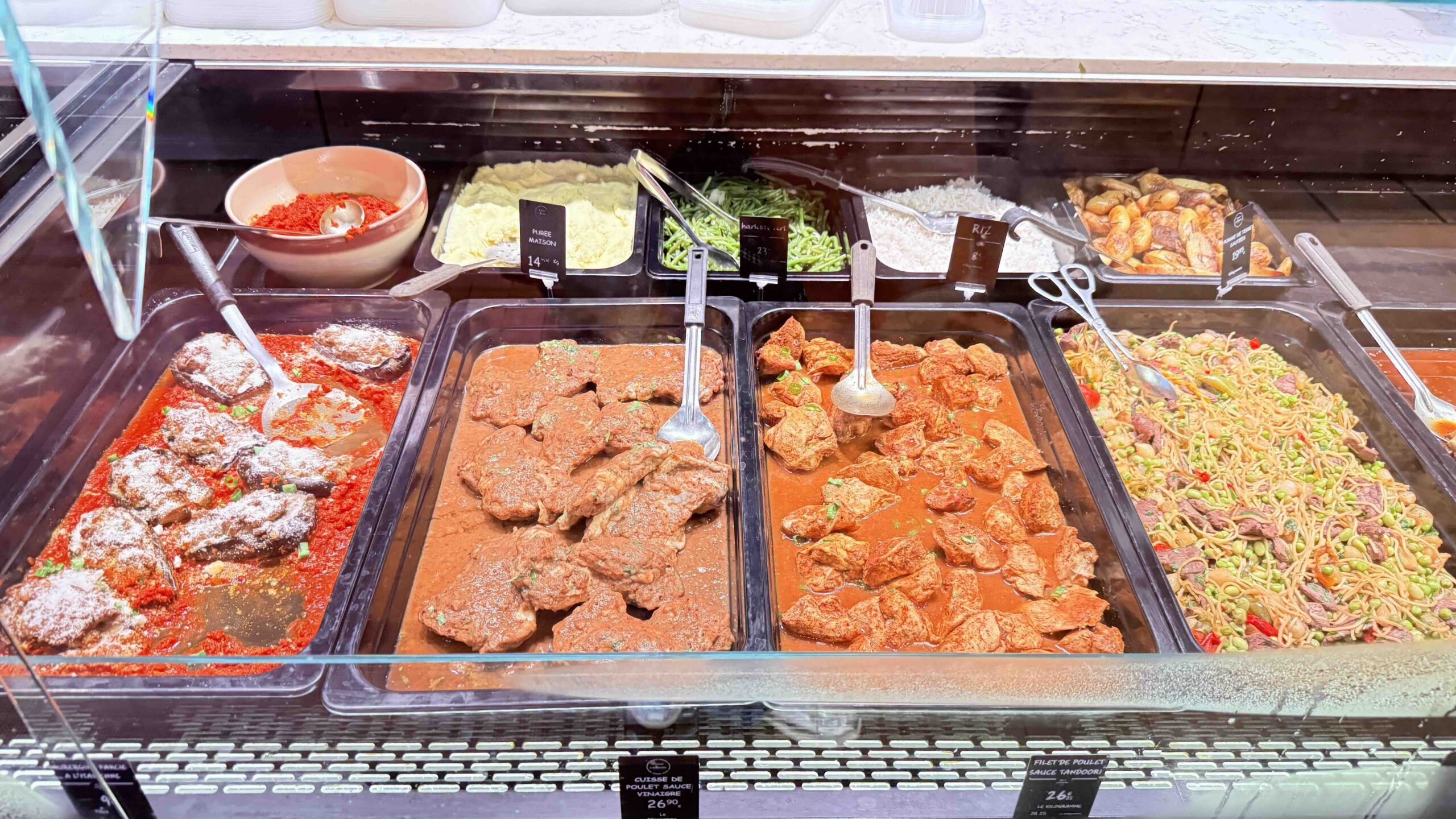
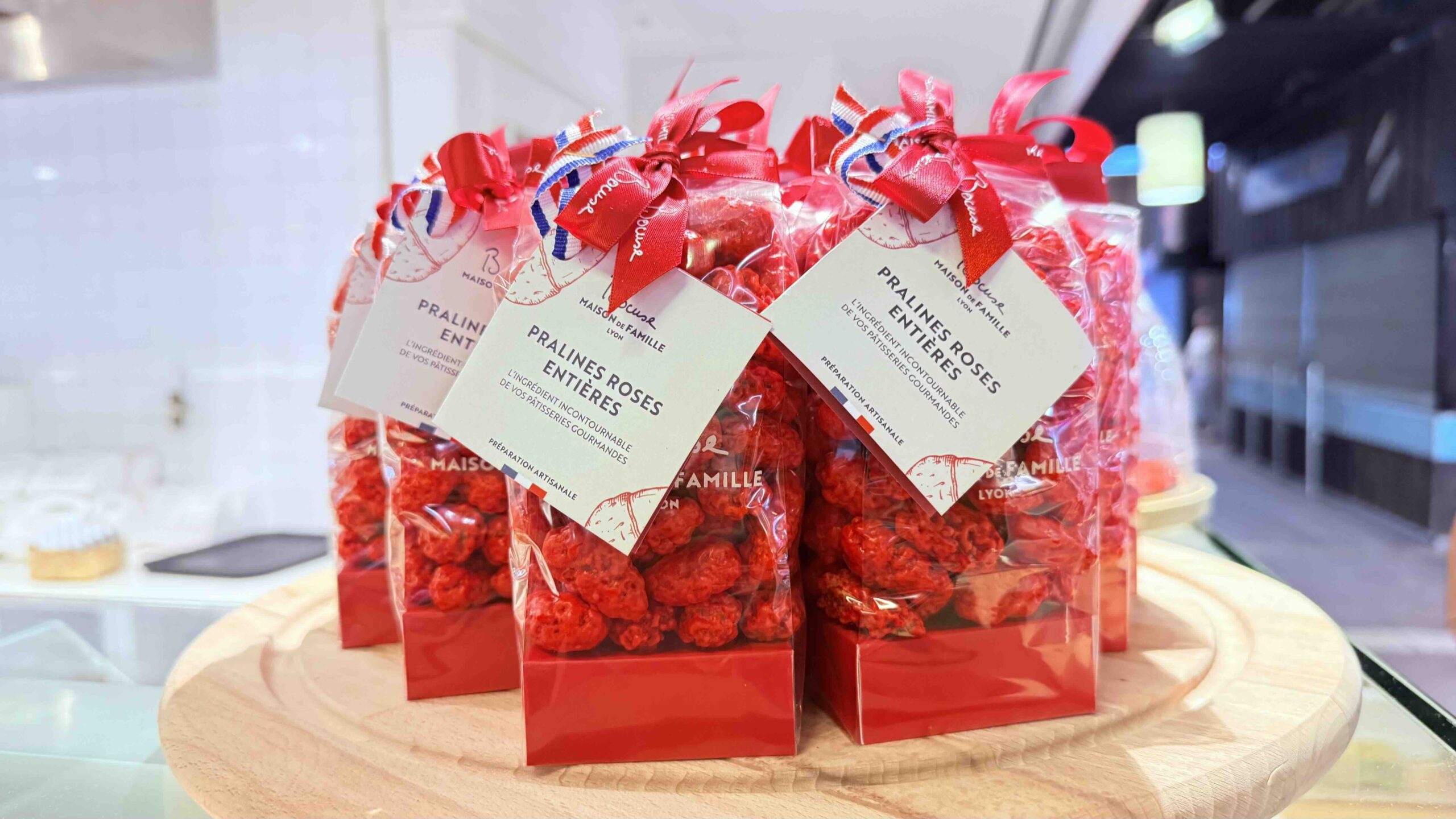
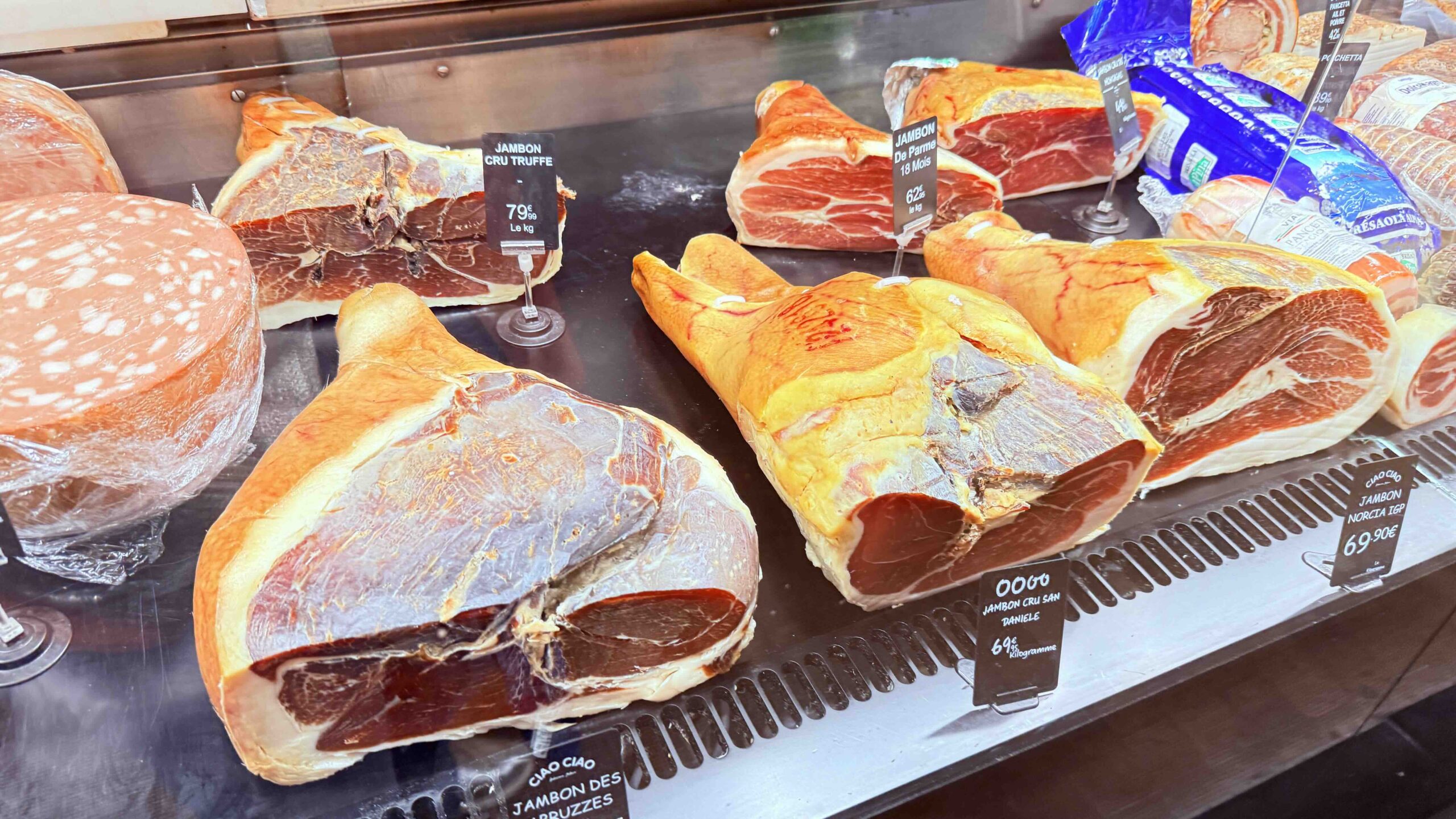
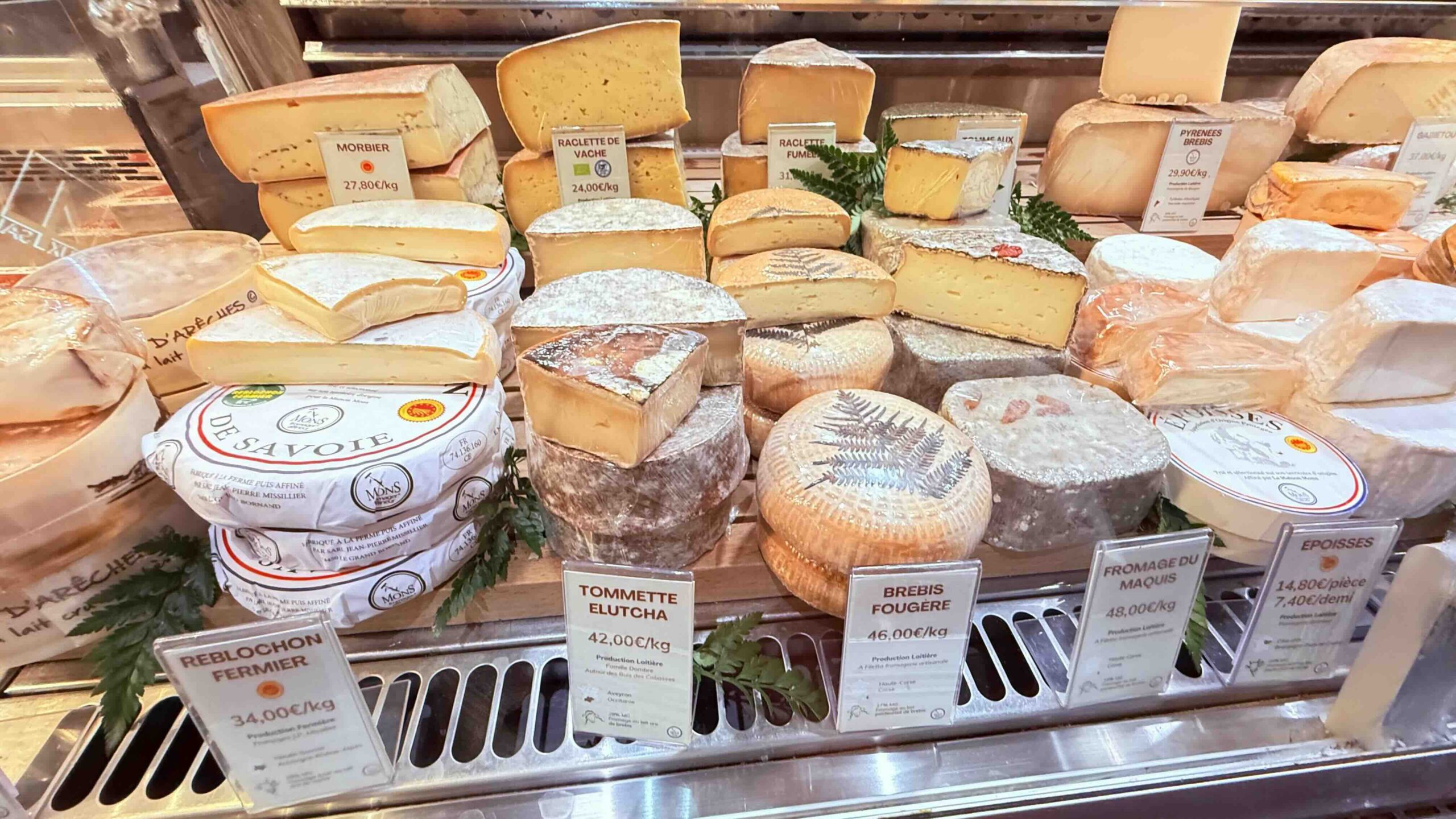
After a major renovation in 2004–2006, the market was renamed in honor of Lyon’s most famous culinary son, Paul Bocuse. Bocuse was not merely a celebrity chef. He was a central figure of nouvelle cuisine and became an international ambassador for French gastronomy.
The Halles aren’t only about Paul Bocuse. In 2016, the market’s aisles were renamed after Lyon’s legendary “Mères Lyonnaises”. A tribute to the women cooks whose restaurants and kitchens helped establish Lyon as France’s gastronomic capital.
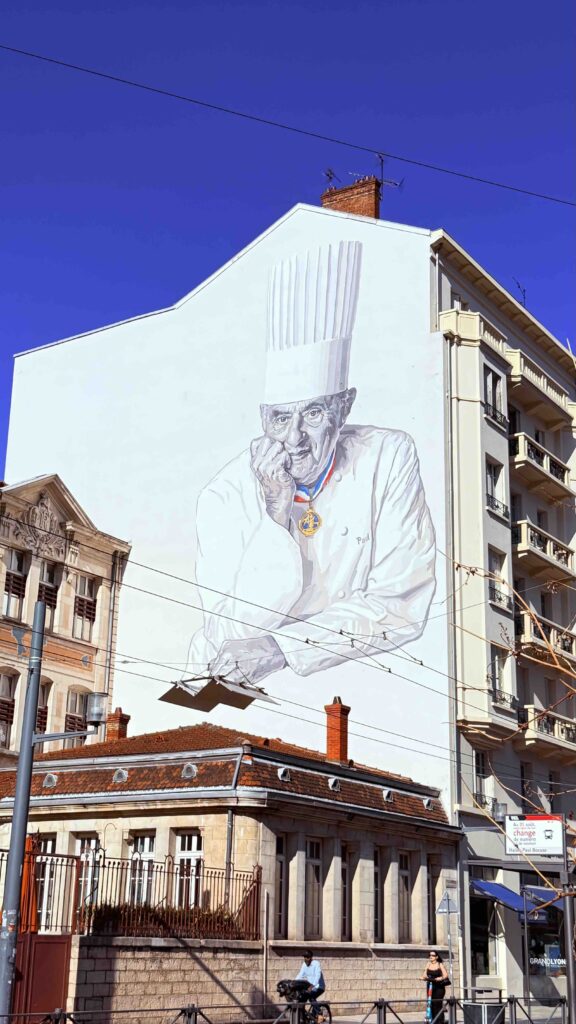
Les Halles de Lyon Paul Bocuse
Address: 102 Cr Lafayette F, 69003 Lyon, France
Hours:
Monday – Saturday 7:30 AM–7:30 PM
Sunday 7:30 am–4 pm
Lyon’s Food, History & Resistance: Traboules
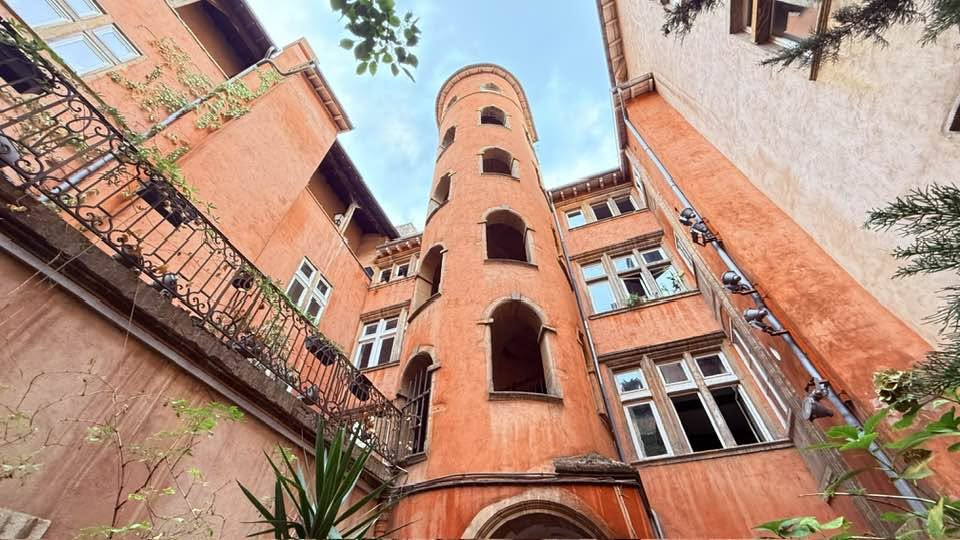
The city’s famous traboules are hidden passageways winding through courtyards, buildings, staircases, and narrow tunnels. Originally, they provided shortcuts for silk workers, allowing the canuts of Croix-Rousse to move their precious fabrics quickly and under cover.
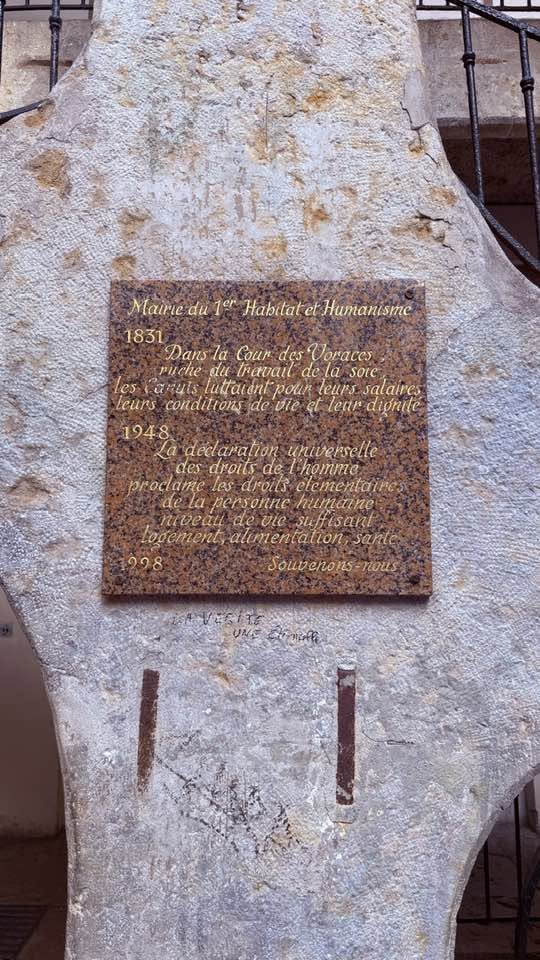
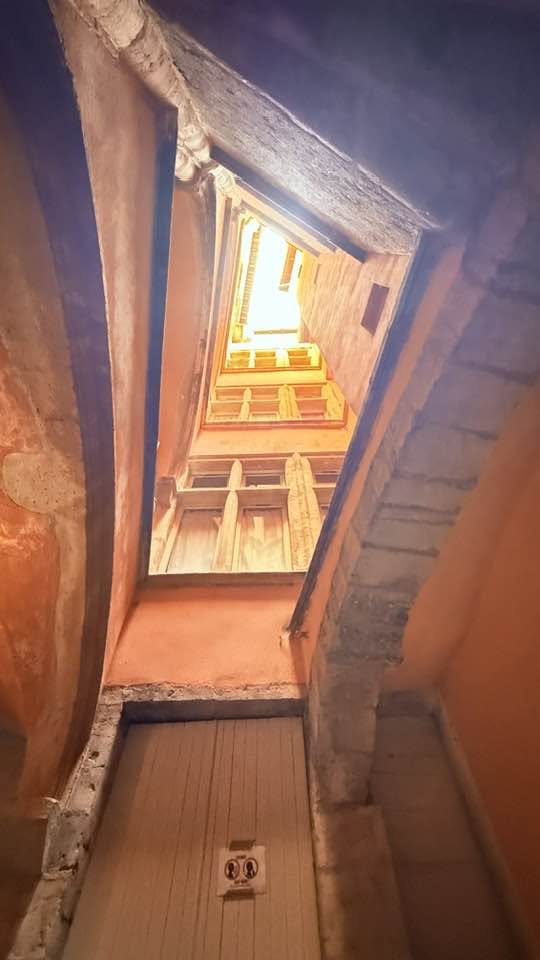
During World War II, these mysterious passages took on a far more dangerous role. The French Resistance used traboules to move secretly through Lyon, evade German patrols, hide, and exchange messages. Resistance members disappeared through one street only to emerge somewhere completely unexpected. The Cour des Voraces, with its dramatic six-story staircase, is particularly associated with Lyon’s Resistance history.
The pretty Tour Rose (Pink Tower) is one of the city’s most recognizable traboule entrances. Part architectural treasure, part medieval shortcut, and part real-life spy movie set. Uncovering Lyon’s traboules makes exploring the city feel like a treasure hunt. Many are still private residences, so please use quiet feet and respectful voices.
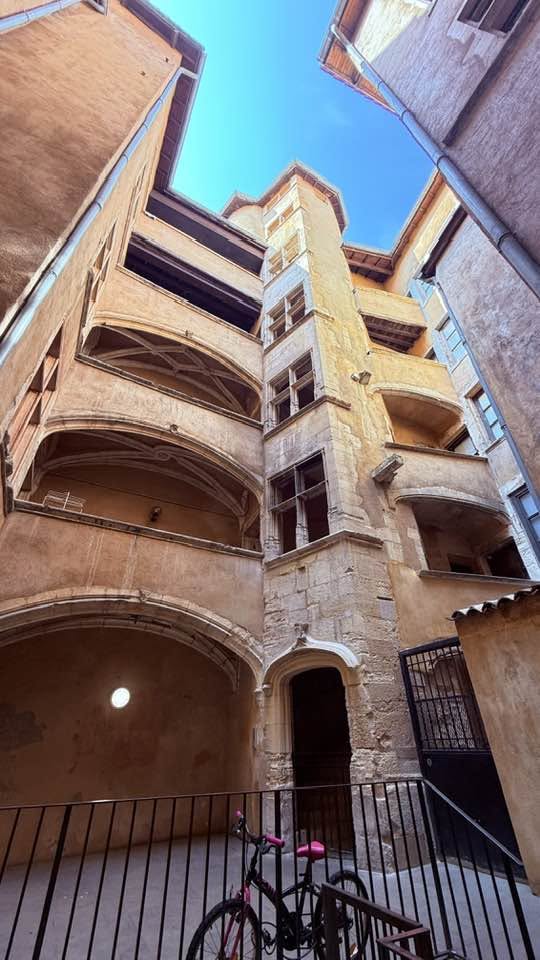
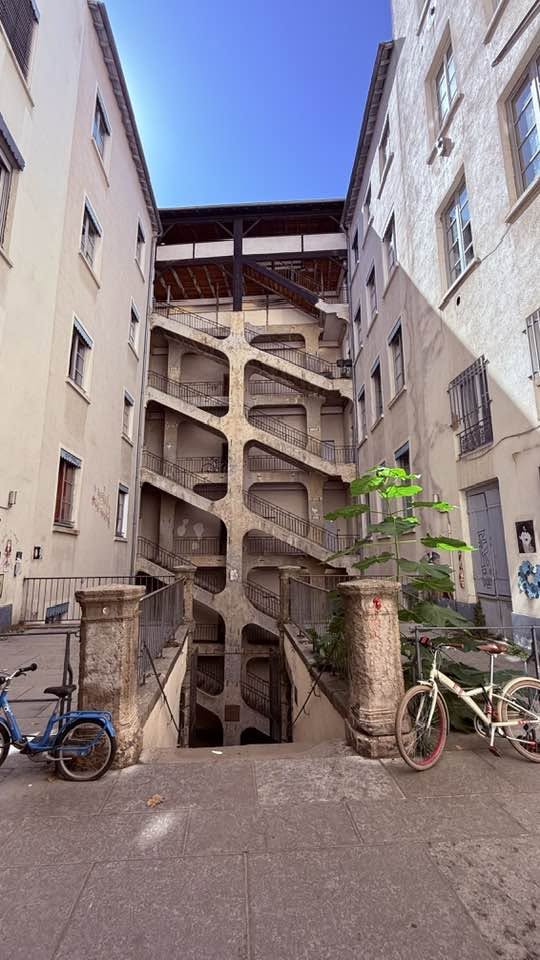
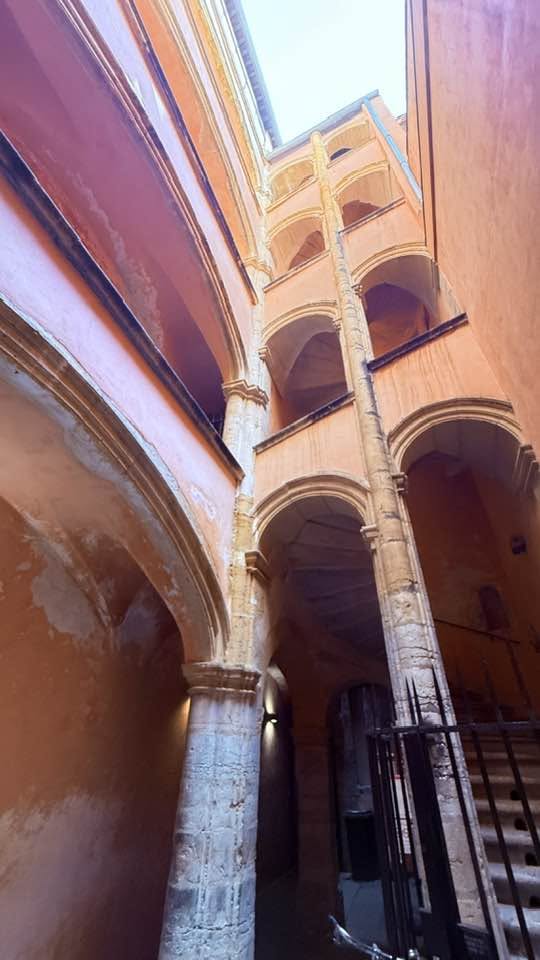
A guide to Lyon’s Traboules HERE.
Jardin Rosa Mir
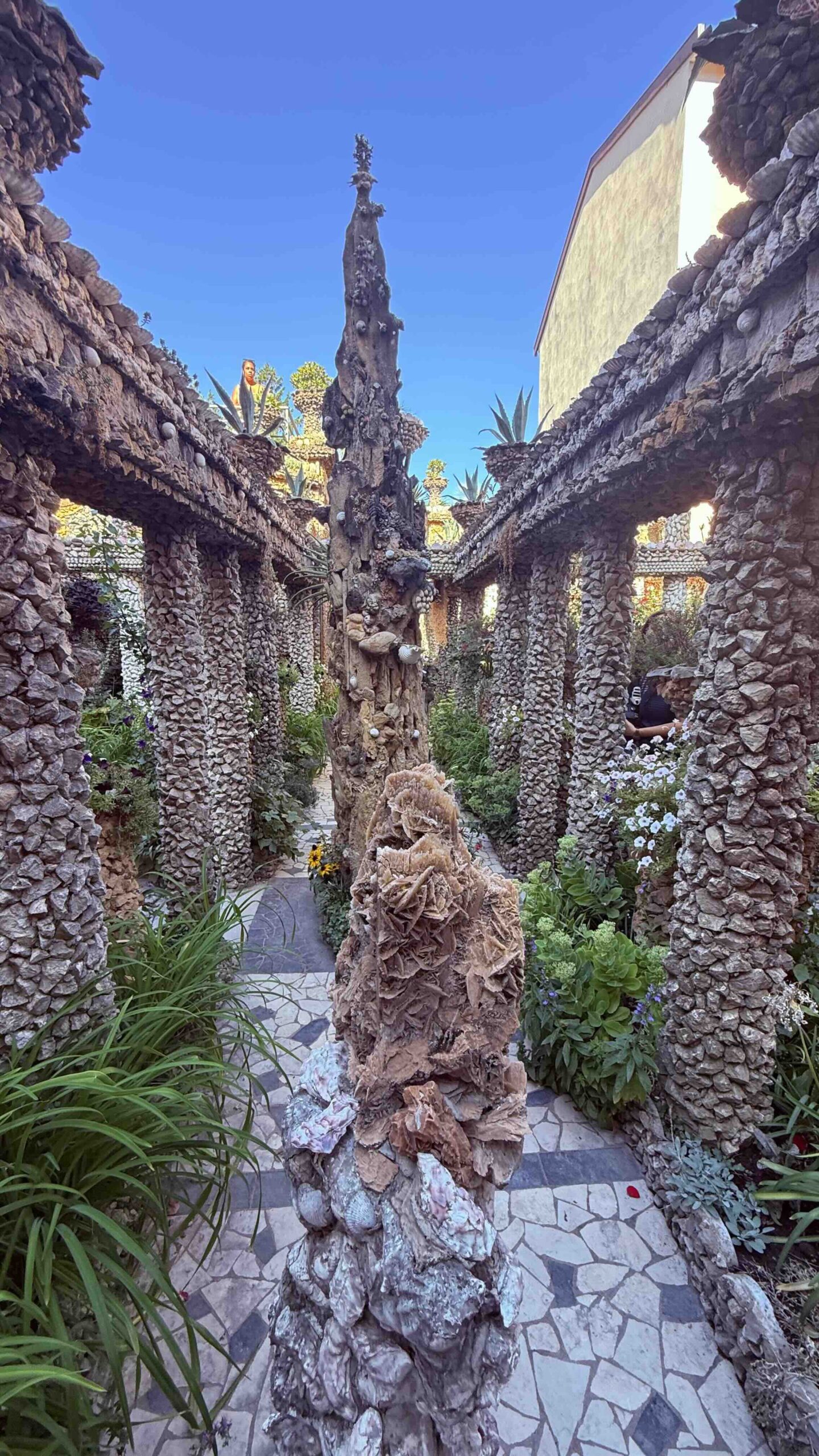
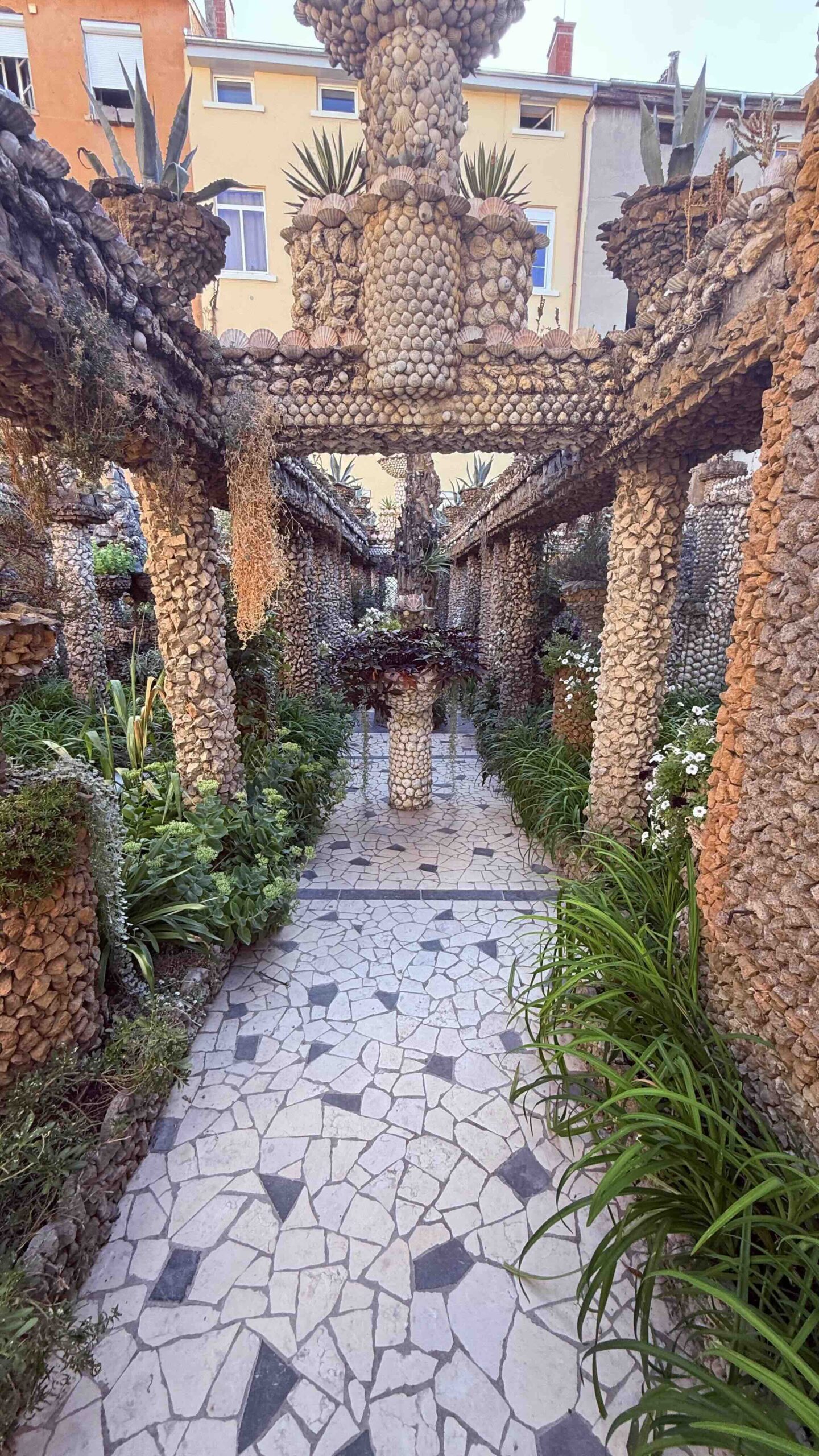
Jules Sénis Mir (1913-1983). Spanish master mason, fled Franco’s regime in 1951 and came to live in Lyon with his family. He was miraculously cured of cancer. When his mother, Rosa Mir Mercader, passed away in 1957, he created a garden dedicated to her. This garden, with its walls and structures completely covered in shells and crushed stones, is an unexpected poetic interlude at the heart of the city.
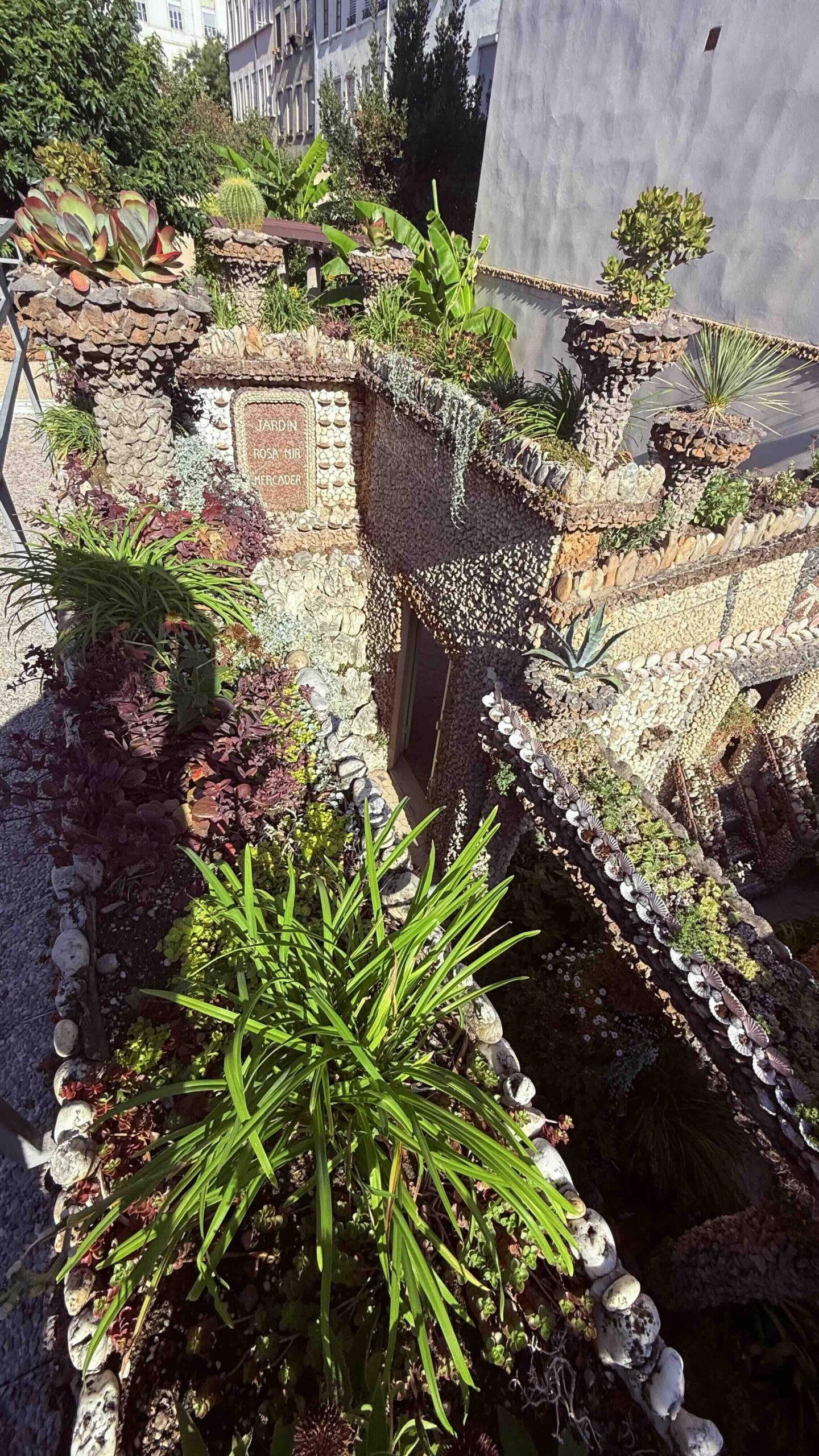
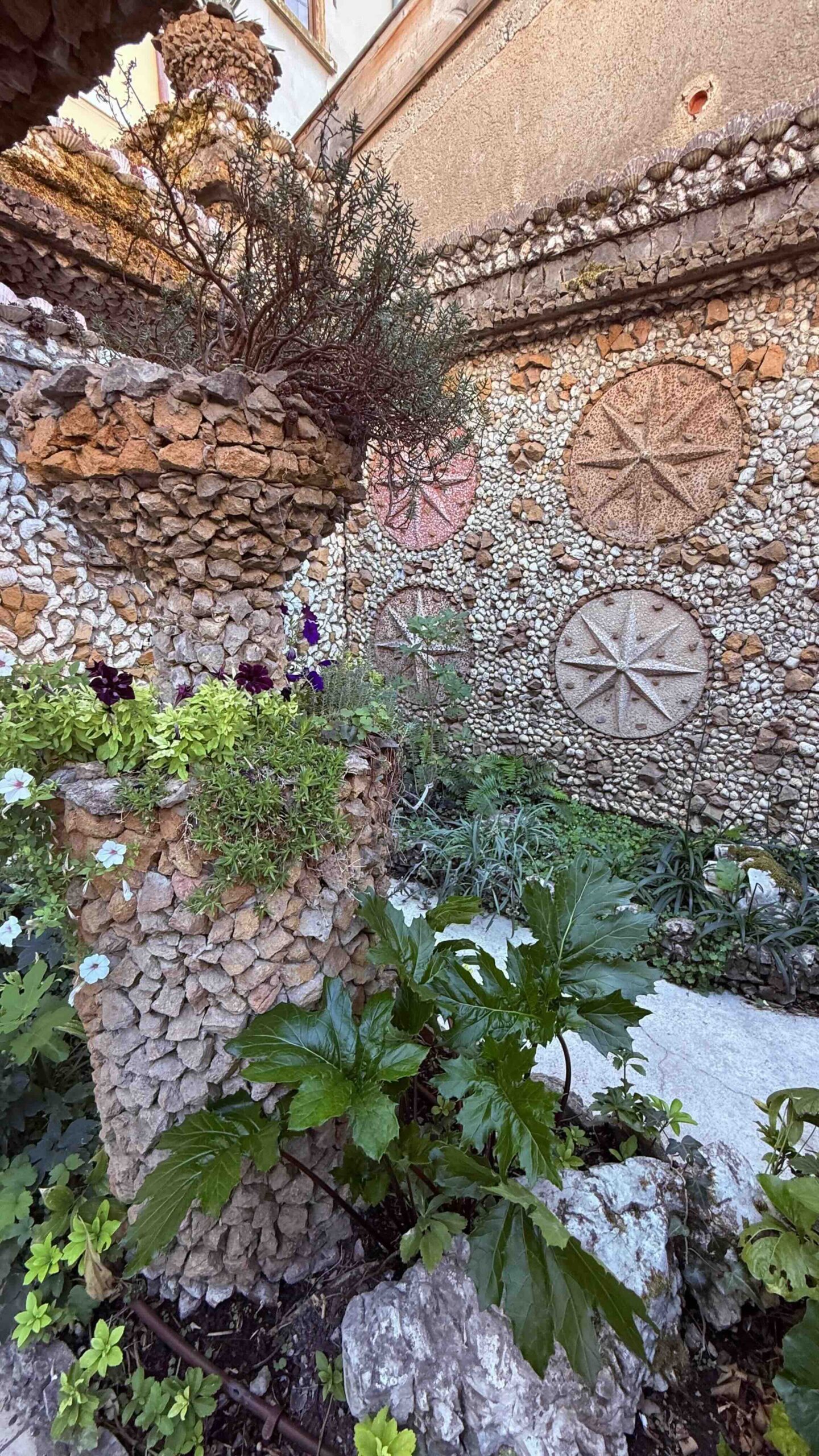
The garden is registered in the French supplementary inventory of historic monuments as a piece of outstanding 20th-century heritage. Acquired by the City of Lyon in 1987, it is considered to be an important work of art. Remarkable in its spontaneity, universality, and imagination.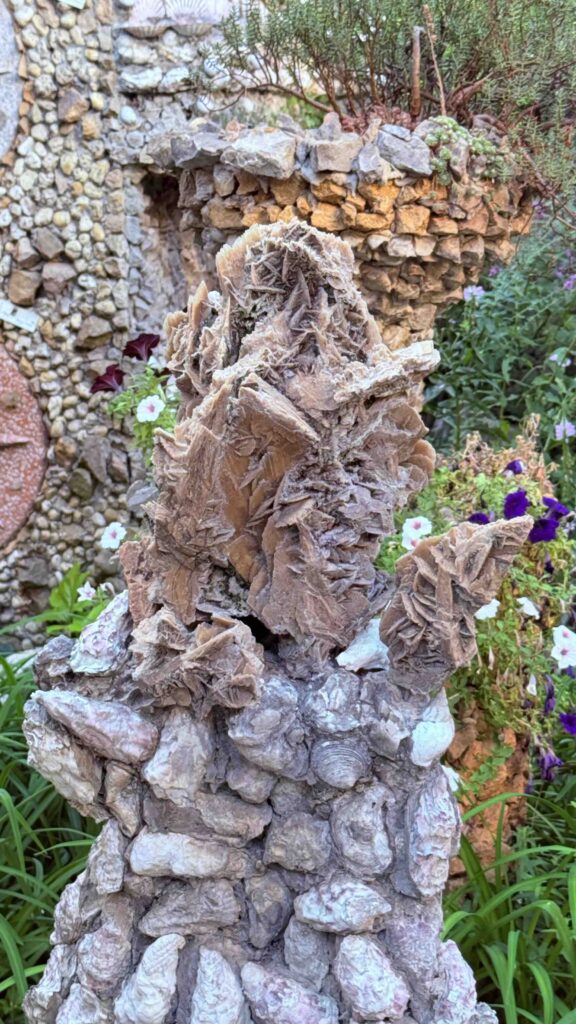
Jardin Rosa Mir
Address : 87 Grand Rue de la Croix-Rousse, 69004 Lyon, France
Hours :
Saturday 1–6 pm
Basilica of Notre-Dame de Fourvière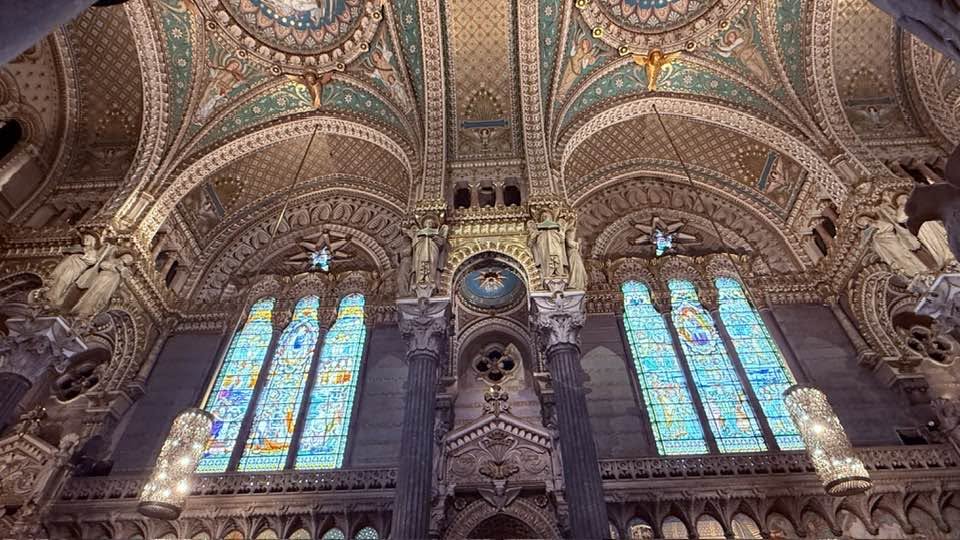
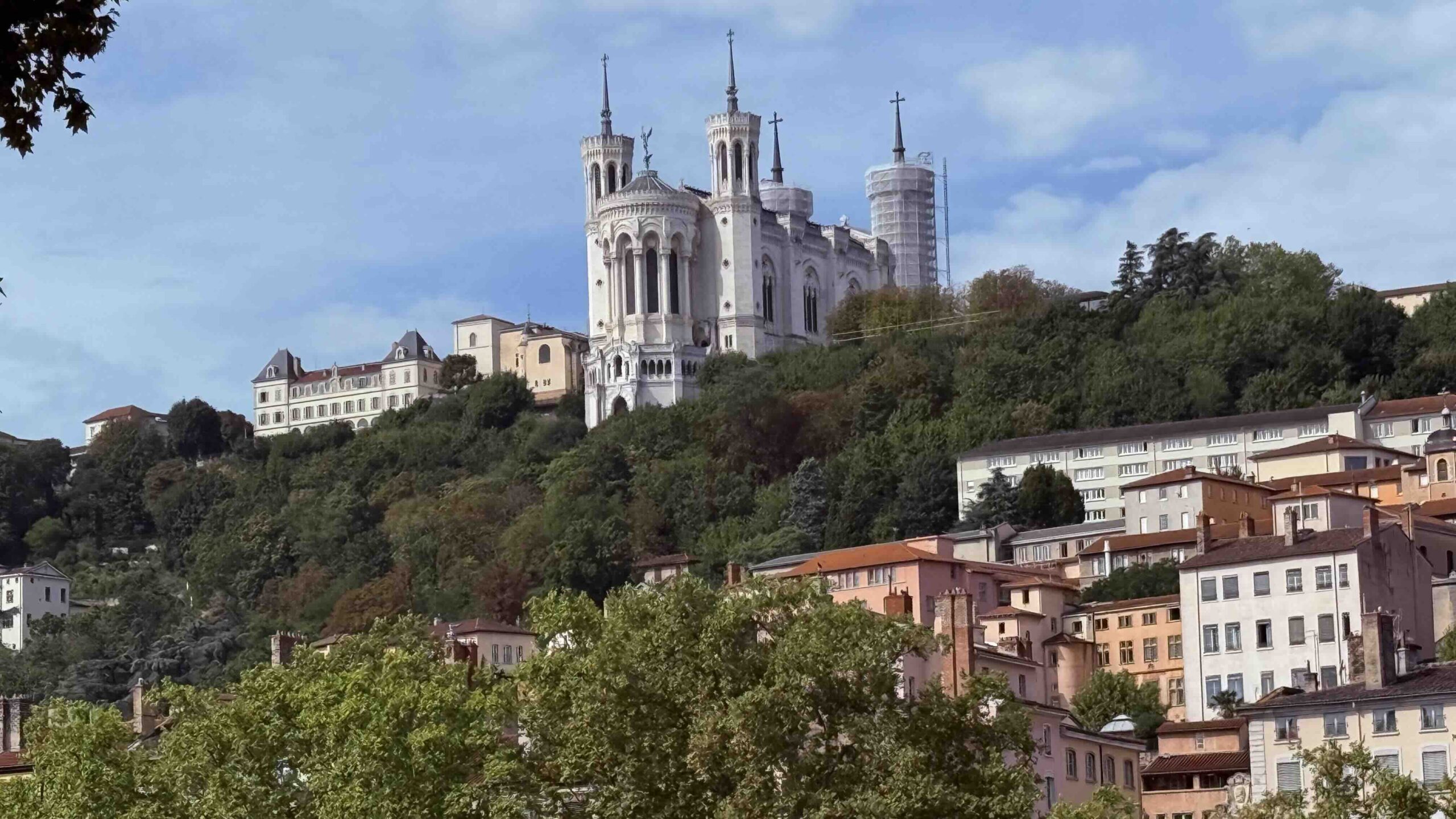
Perched dramatically above Lyon, the Basilica of Notre-Dame de Fourvière looks like something out of a very elaborate architectural dream, and honestly, Lyon knew exactly what it was doing!
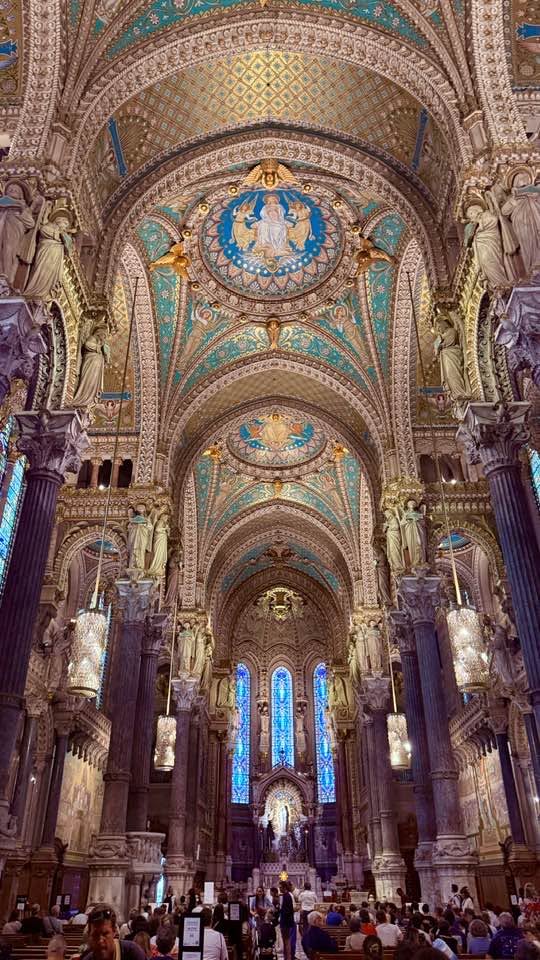
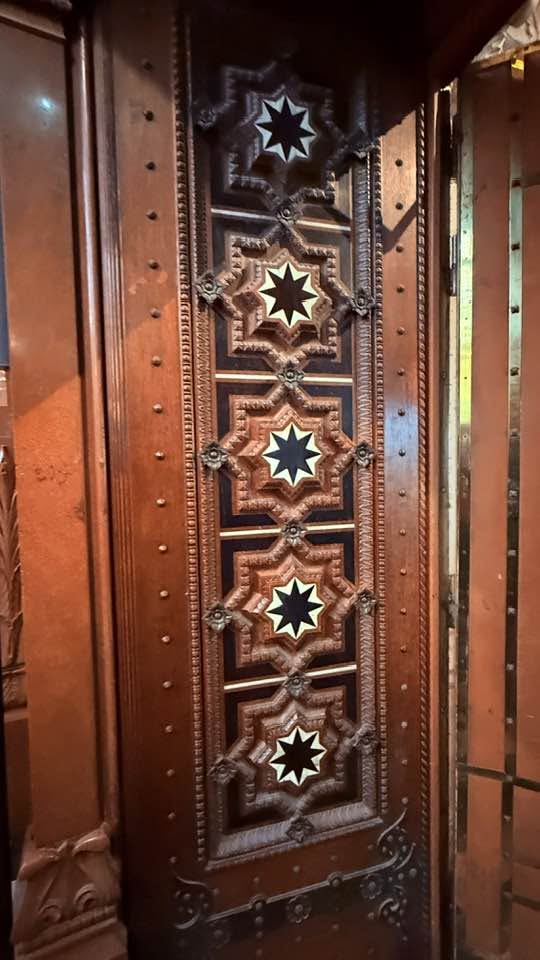
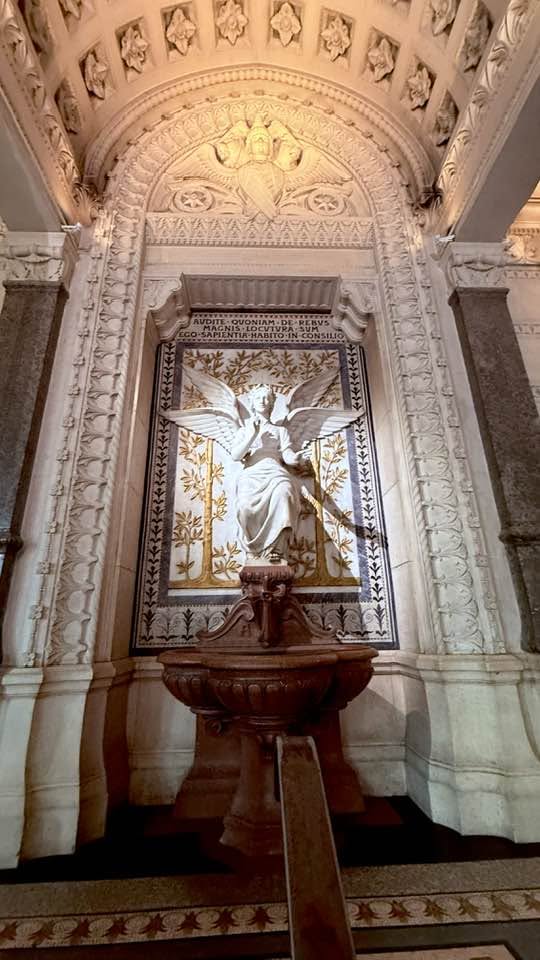
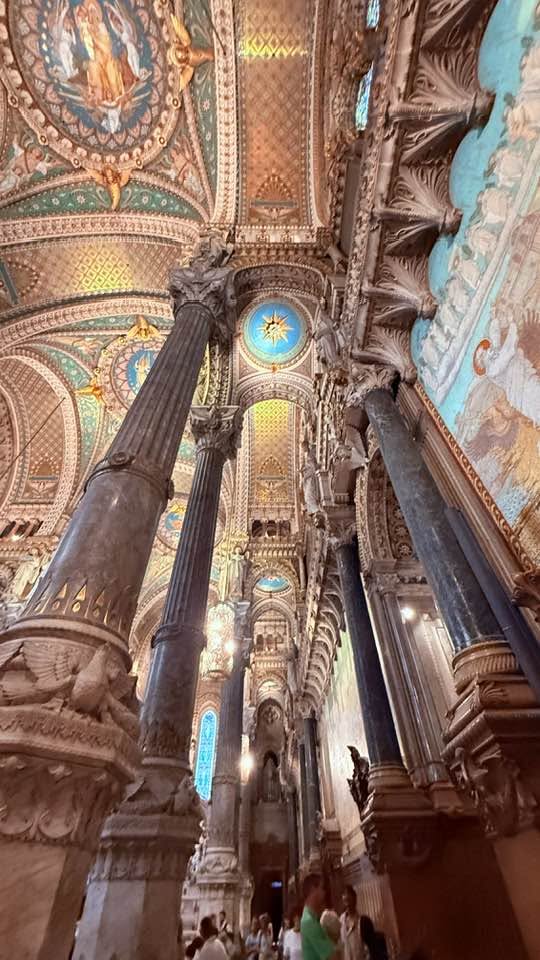
Built in the late 19th century, this magnificent basilica blends Byzantine, Gothic, and Romanesque influences. Dazzling mosaics cover its interior. The hill has been a sacred site for centuries. Today Fourvière offers one of the best panoramic views over Lyon, the Rhône, and the Saône rivers.
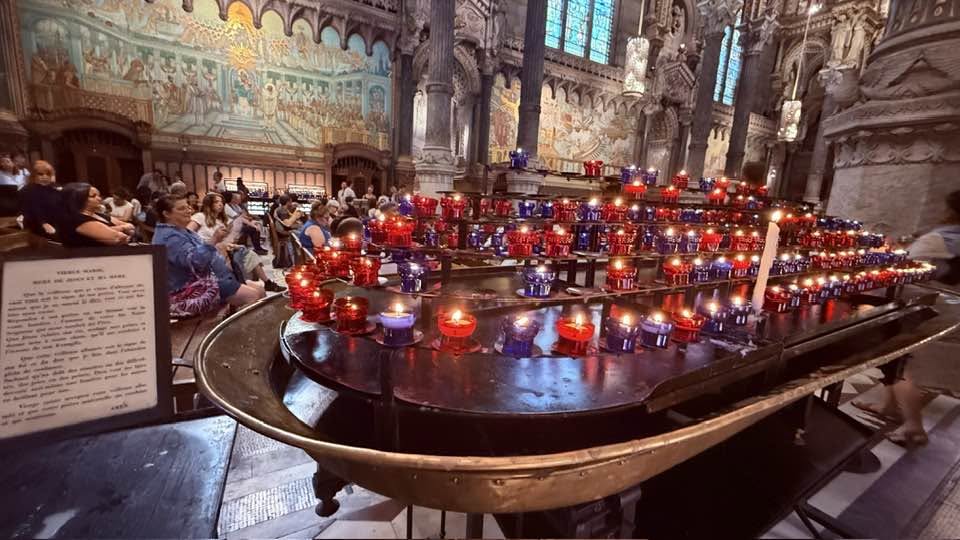
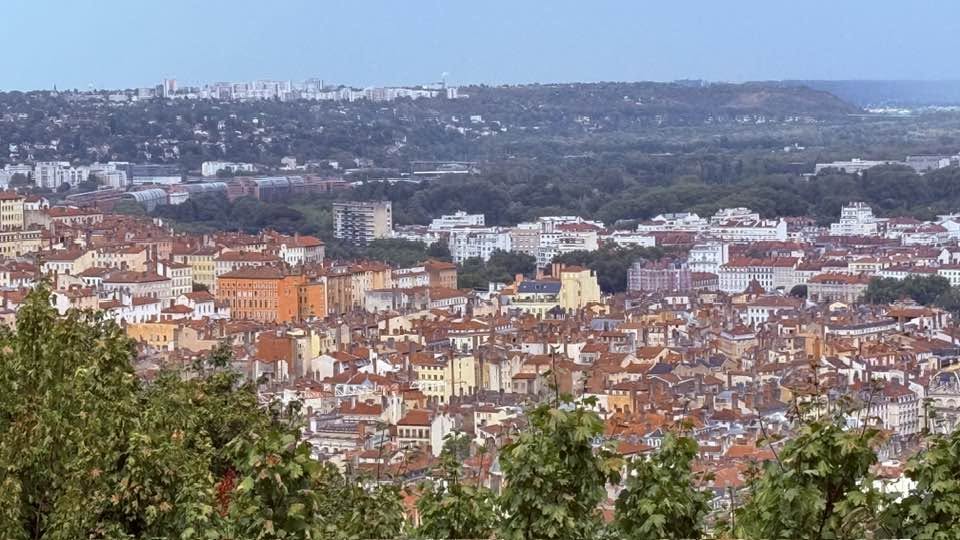
Basilique Notre Dame de Fourvière
Address : 8 Place de Fourvière, 69005 Lyon, France
Hours :
Monday – Saturday 7 AM–8 PM
Sunday 7 AM–9 PM
Musée des Frères Lumière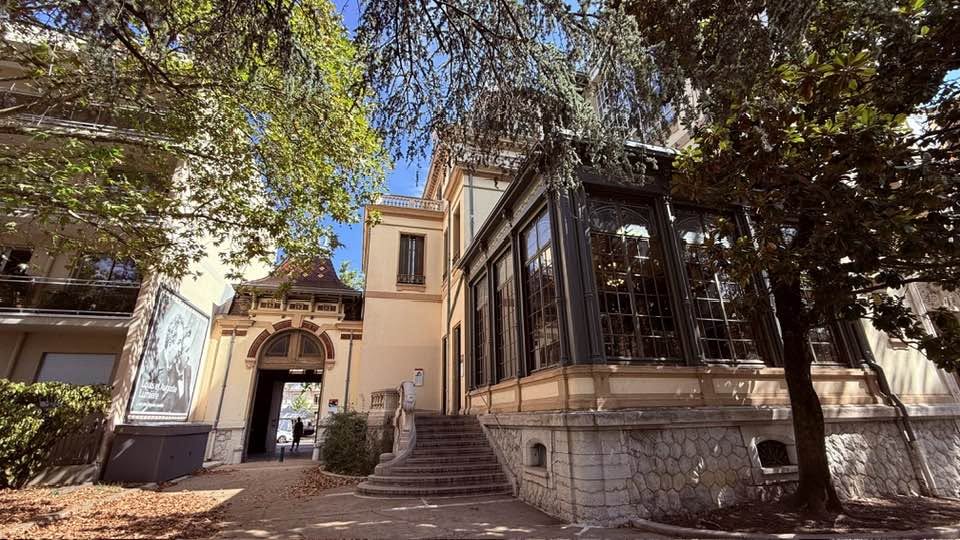
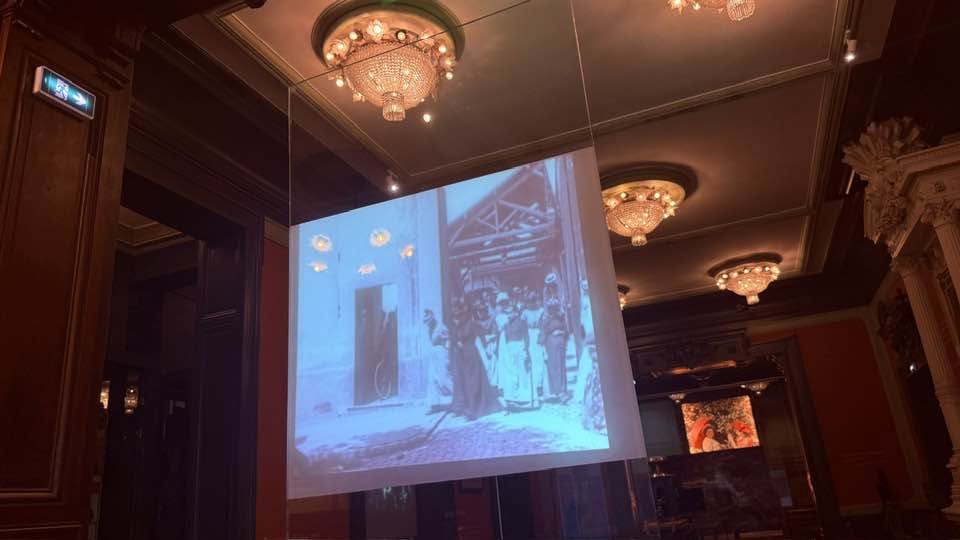
Located in the former home of brothers Auguste and Louis Lumière, the captivating Lumière Museum tells the story of the pioneering duo who helped give birth to modern cinema.
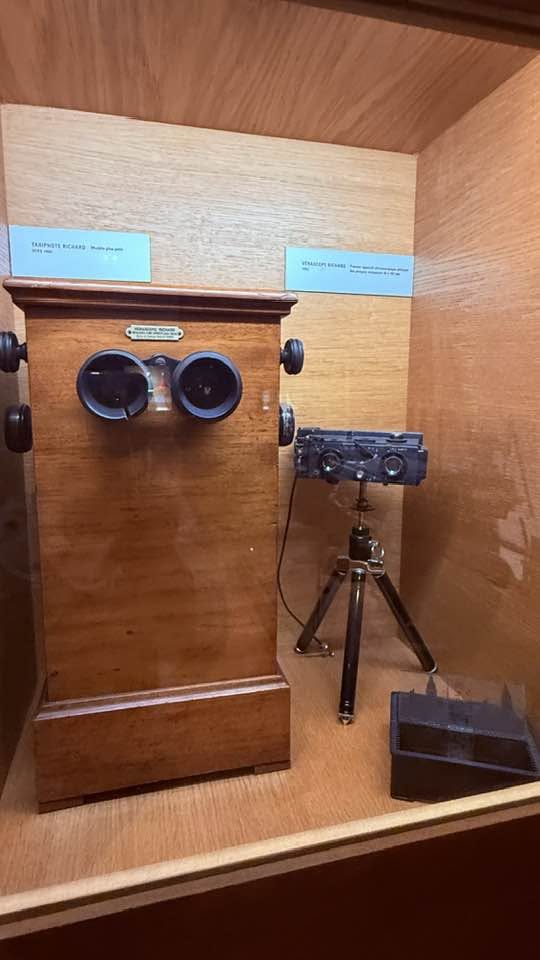
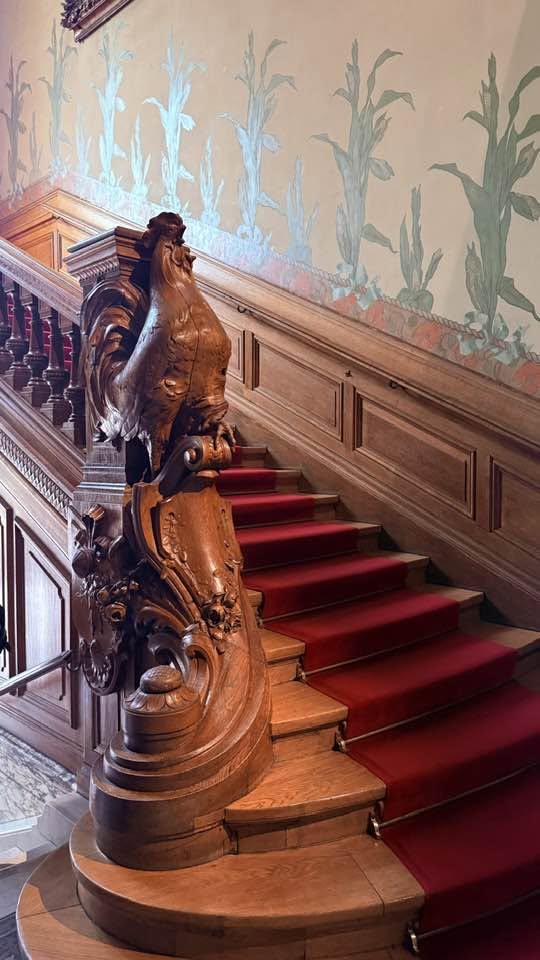
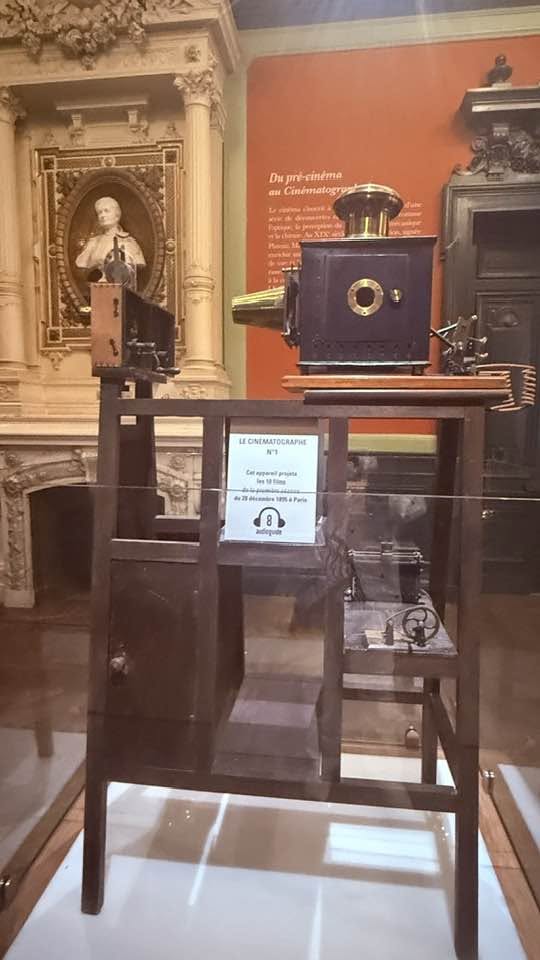
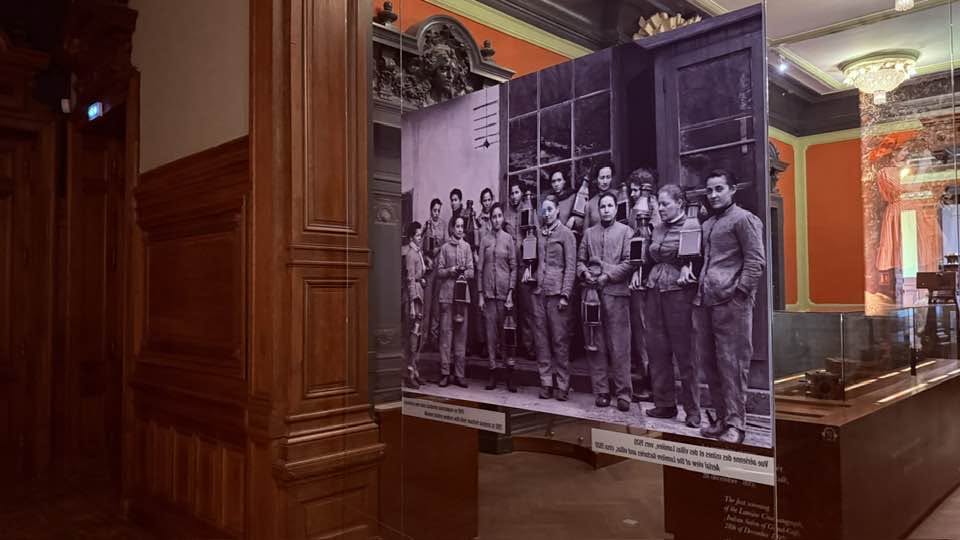
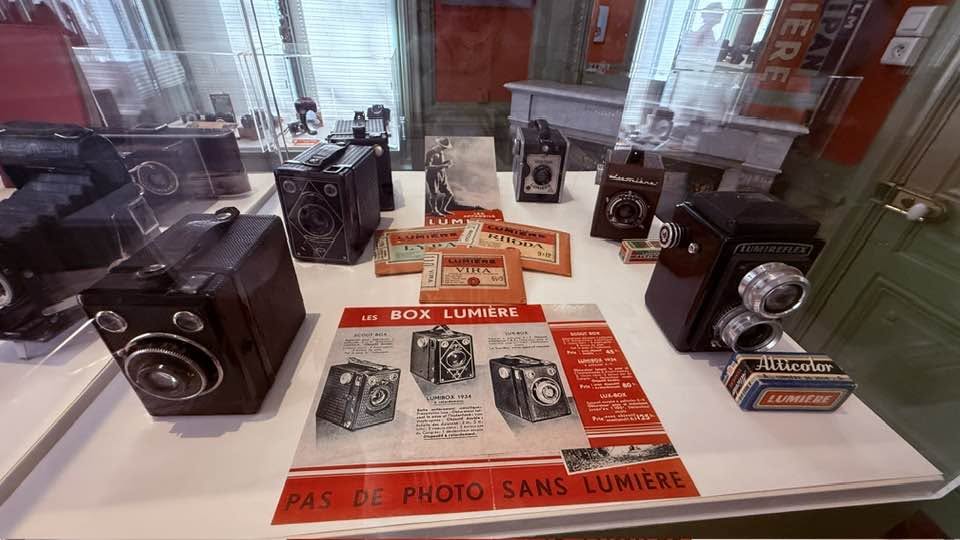
On display are early cameras, inventions, and fascinating pieces of film history. These include the famous Cinématographe Lumière, which helped transform moving images from a scientific curiosity into entertainment for the masses. The beautiful Art Nouveau villa and its gardens are worth exploring. You’re standing where movie history was made, including the first recorded moving images of workers leaving the brothers’ factory.
Address: 25 Rue du Premier Film, 69008 Lyon, France
Hours:
Monday Closed
Tuesday – Sunday 10 AM–6:30 PM
La Maison des Canuts
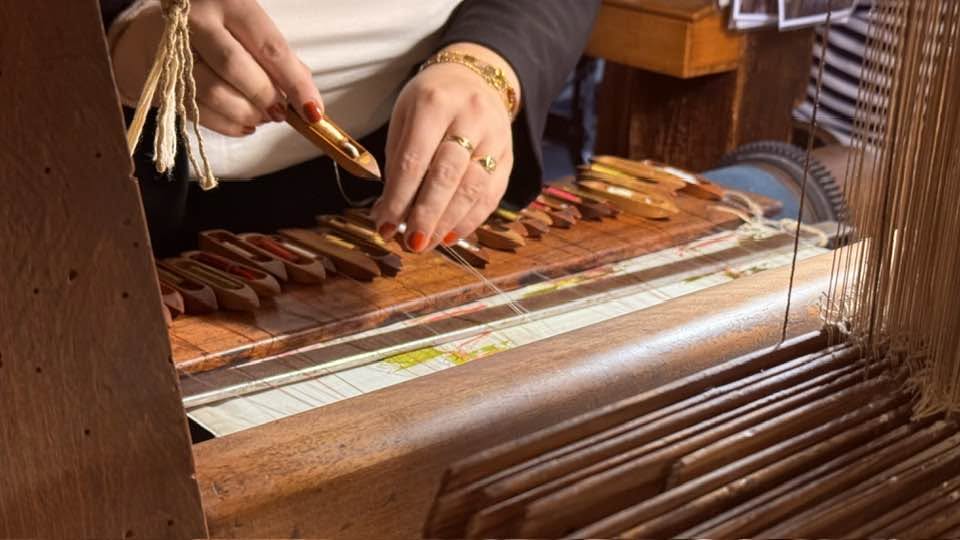
The Silk Canuts Museum in Lyon showcases Lyon’s silk industry that dates back nearly 500 years. It eventually became an economic powerhouse. During the 19th century, 80% of Lyon’s silk production was exported. At the museum, you can watch a traditional weaving demonstration and hear the wonderfully clattery bistanclaque of a Jacquard loom in action.
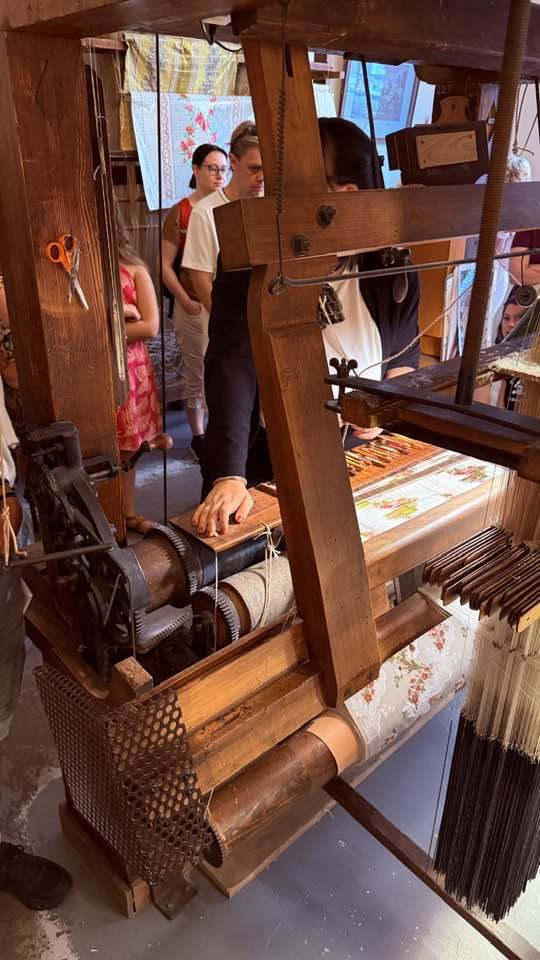
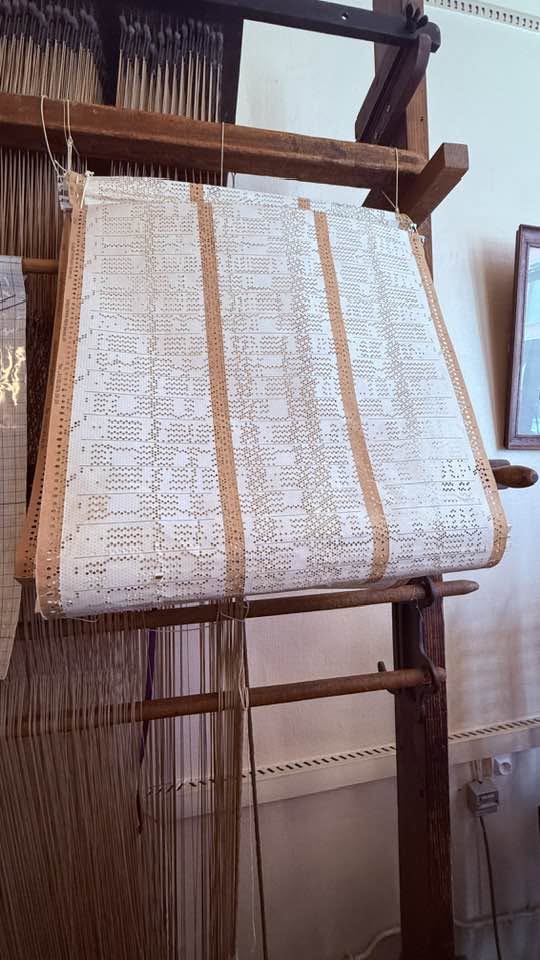
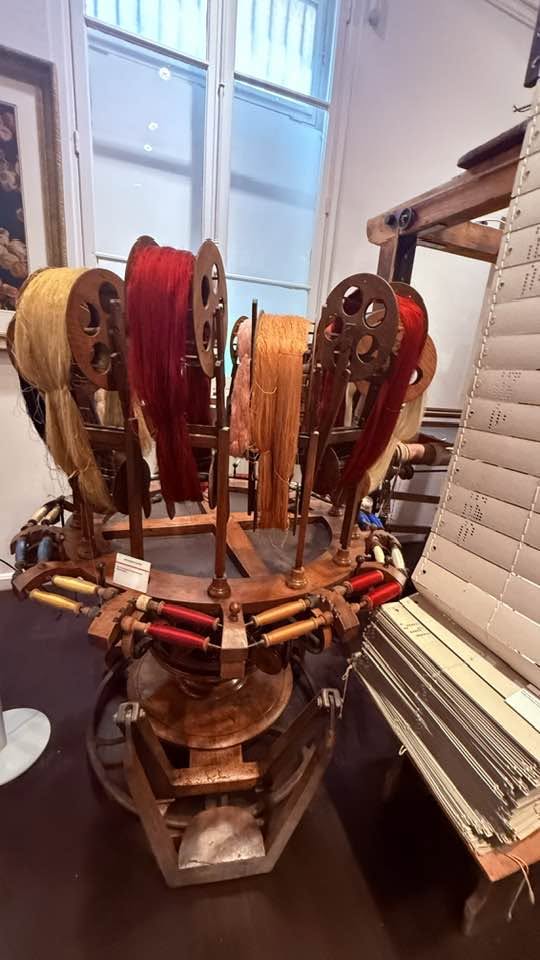
Invented by Lyonnais Joseph-Marie Jacquard in 1801, the ingenious mechanism uses punched cards to control the threads and create incredibly complicated patterns. Today, jacquard refers to fabrics woven with intricate patterns. These include brocades, damasks, and other richly decorated textiles. Also, it’s hard to resist buying a beautiful silk scarf, tie, or another accessory at the museum. Lovely gift shop.
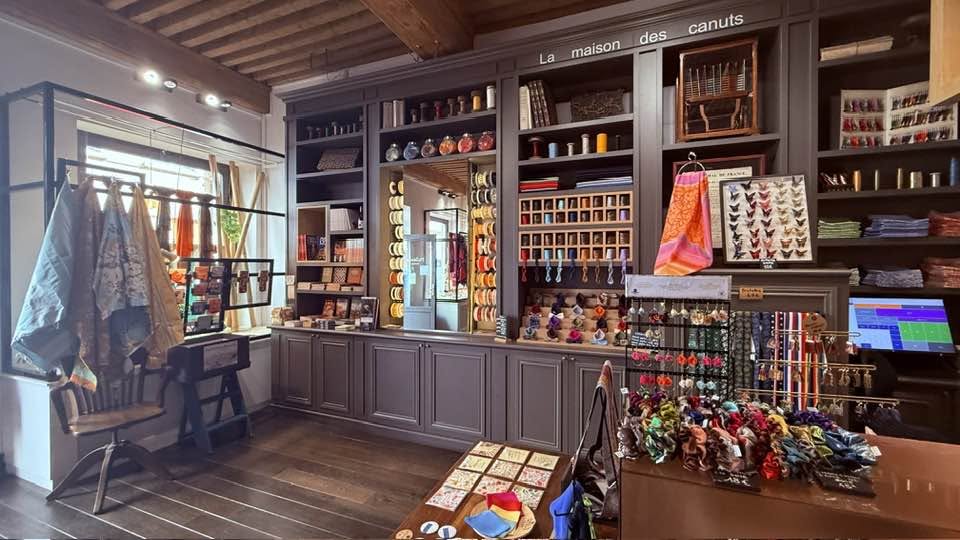
Address: 10 Rue d’Ivry, 69004 Lyon, France
Hours:
Monday Closed
Tuesday – Friday 10 AM–1 PM, 2–6 PM
Saturday 10 AM–6 PM
Sunday Closed
Astronomical Clock at Cathédrale Saint-Jean-Baptiste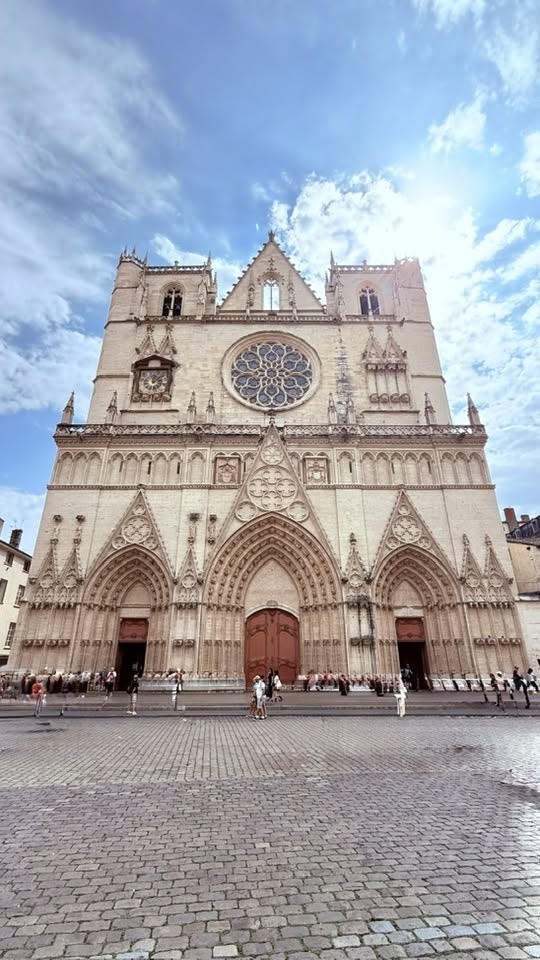
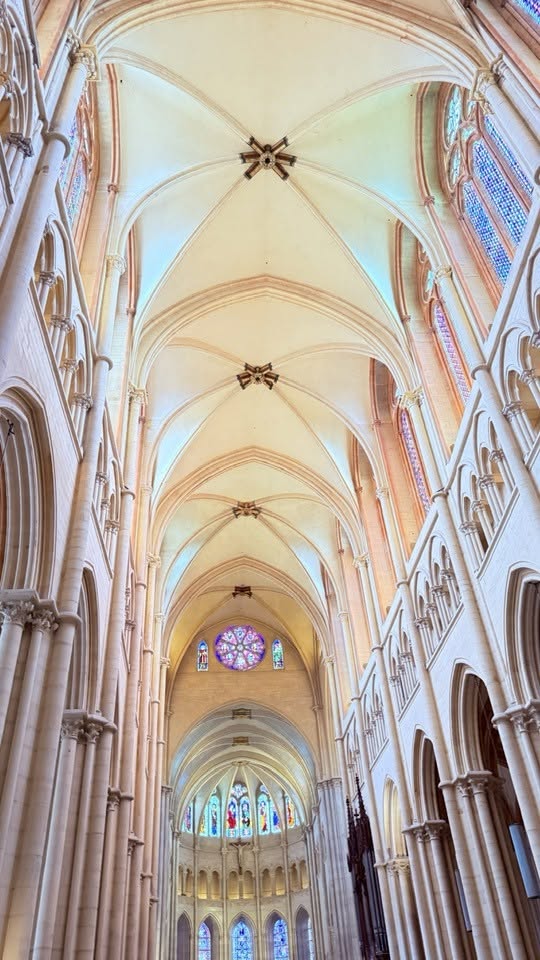
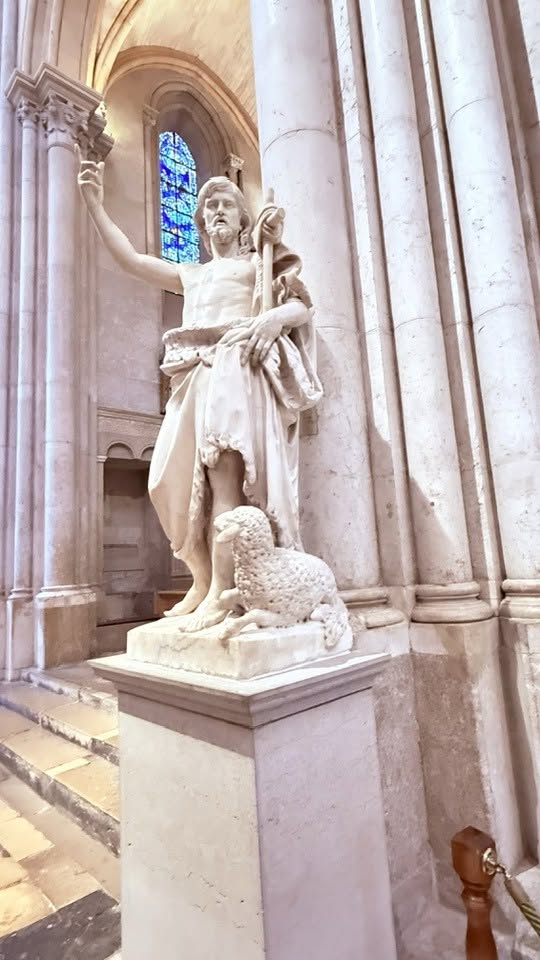
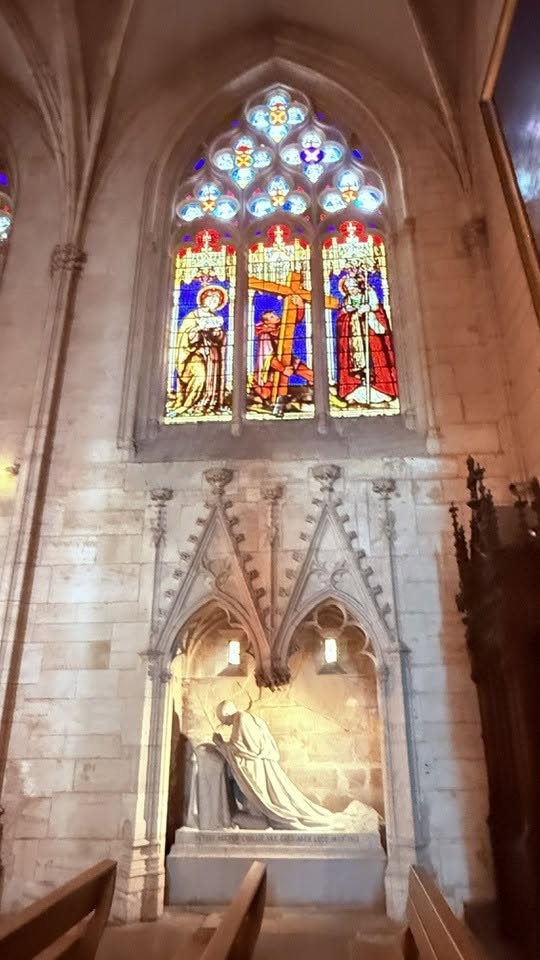
Lyon’s magnificent Cathédrale Saint-Jean-Baptiste was built over roughly three centuries, from the 12th to the 15th century. The structure blends Romanesque and Gothic architecture. However, the real showstopper is the clock, dating to around 1379, making it one of Europe’s oldest astronomical clocks.
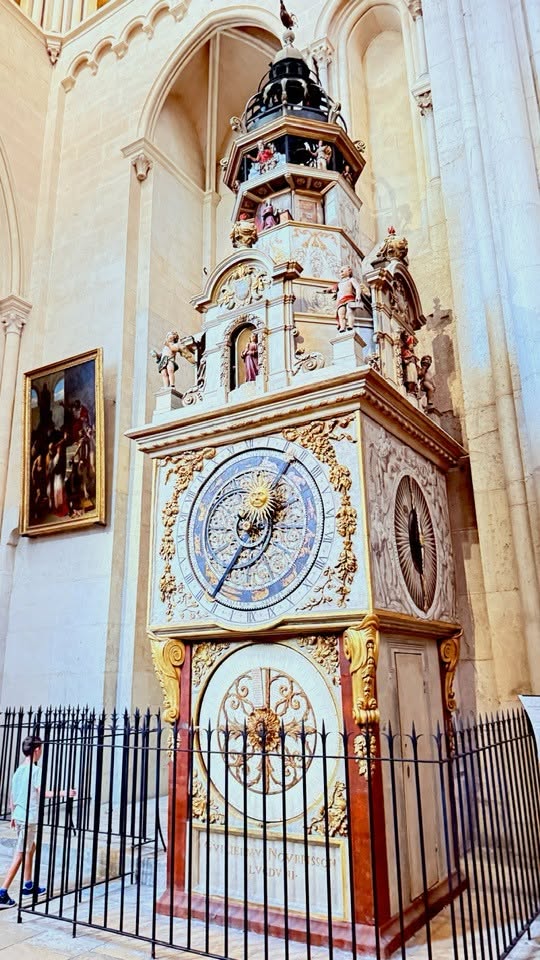
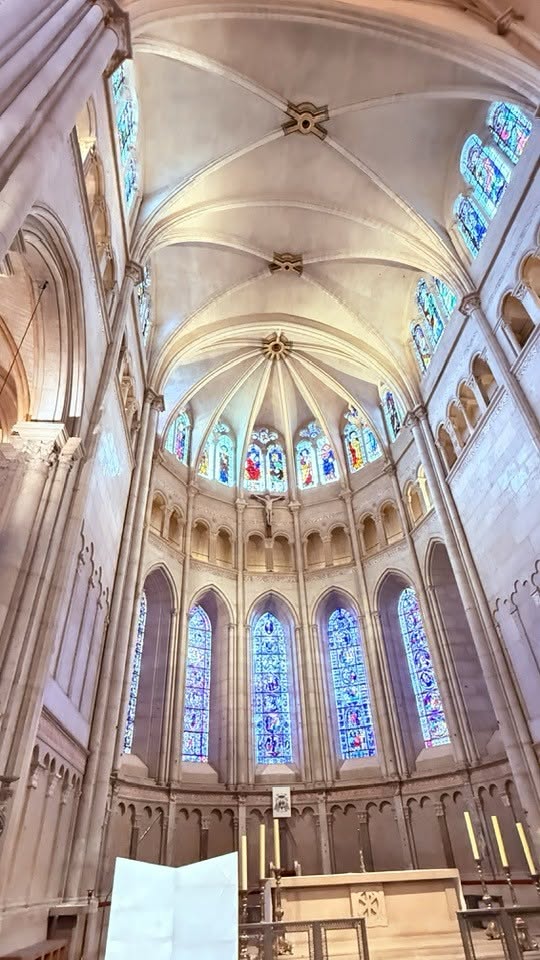
Nearly 30 feet tall, it doesn’t simply tell time. Its astrolabe tracks the sun, moon, and stars, while its calendar helps determine religious feast days. Several times a day, its tiny mechanical figures spring into action accompanied by bells and music. The clock was repeatedly repaired and enhanced over the centuries, including a major addition in 1660. After being badly vandalized in 2013, it underwent an extensive restoration completed in 2024. Today, the ancient gears are ticking again—a remarkable bit of medieval engineering.
Cathédrale Saint Jean Baptiste
Address: Pl. Saint-Jean, 69005, Lyon, France
Hours:
Monday 2–7 PM
Tuesday – Friday 8:30 AM–7 PM
Saturday 8:30 am–7:30 pm
Sunday 8 am–7:30 pm
The Ancient Theatre of Fourvière & Lugdunum Museum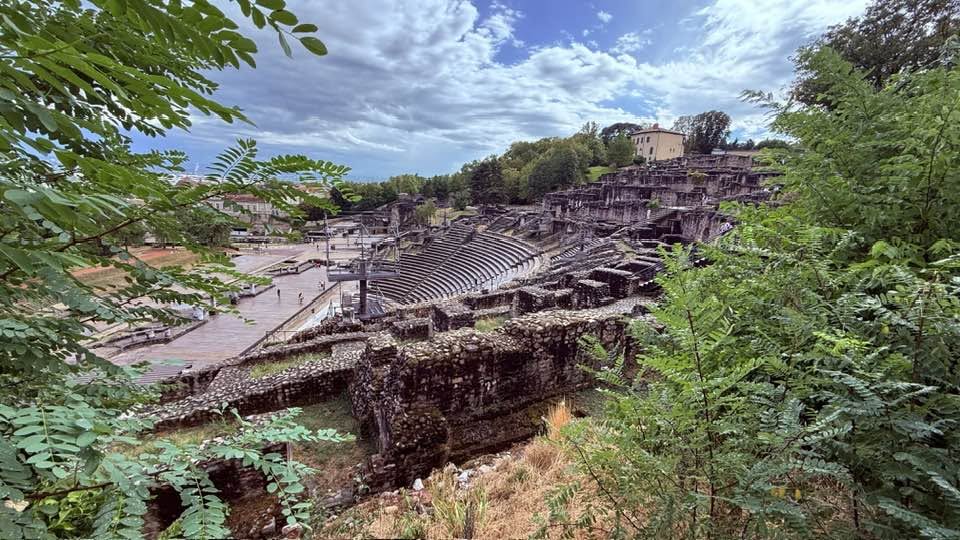
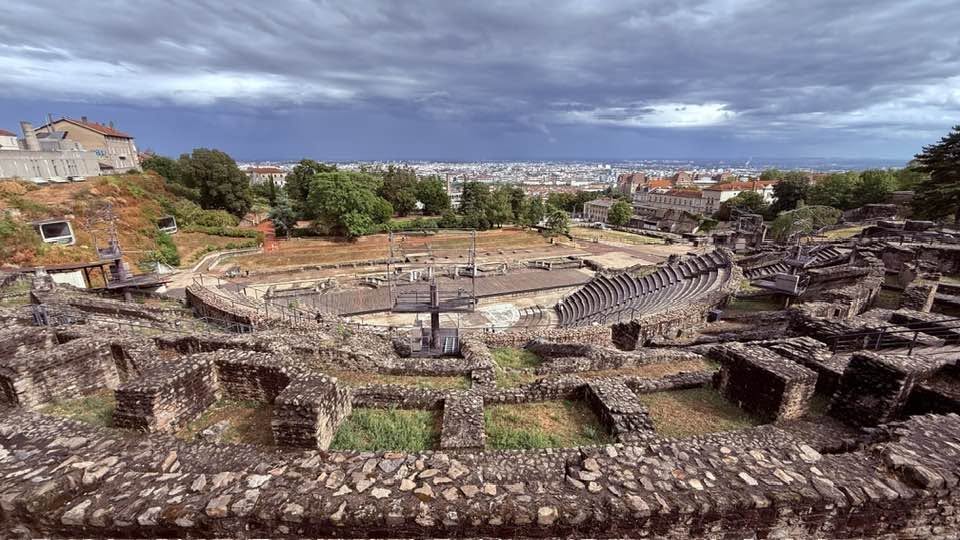
Before Lyon became Lyon, it was called Lugdunum. Founded in 43 BC, Lugdunum became one of the most important cities in Roman Gaul. The spectacular Roman theater on Fourvière Hill is the oldest Roman theater in Gaul. Originally built to seat about 5,000 spectators, and later expanded to accommodate roughly 10,000.
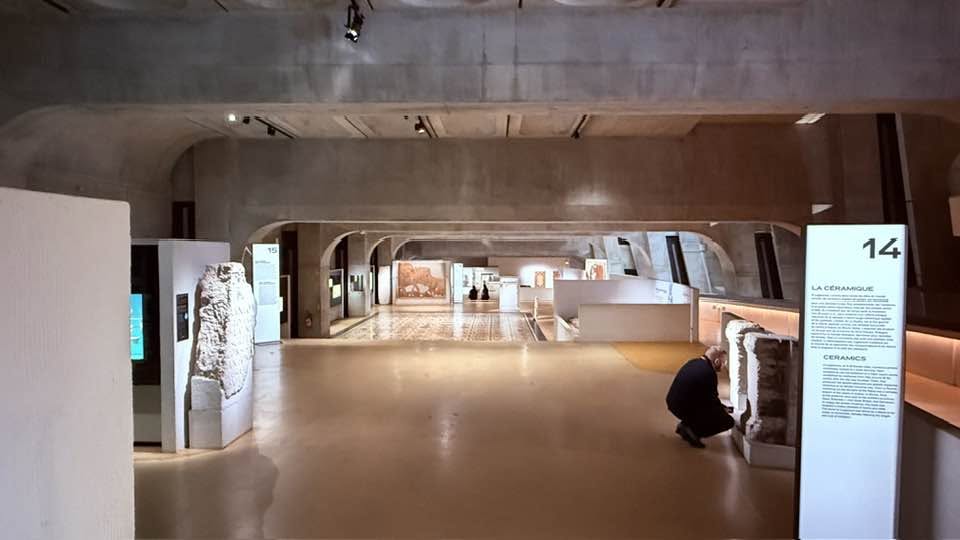
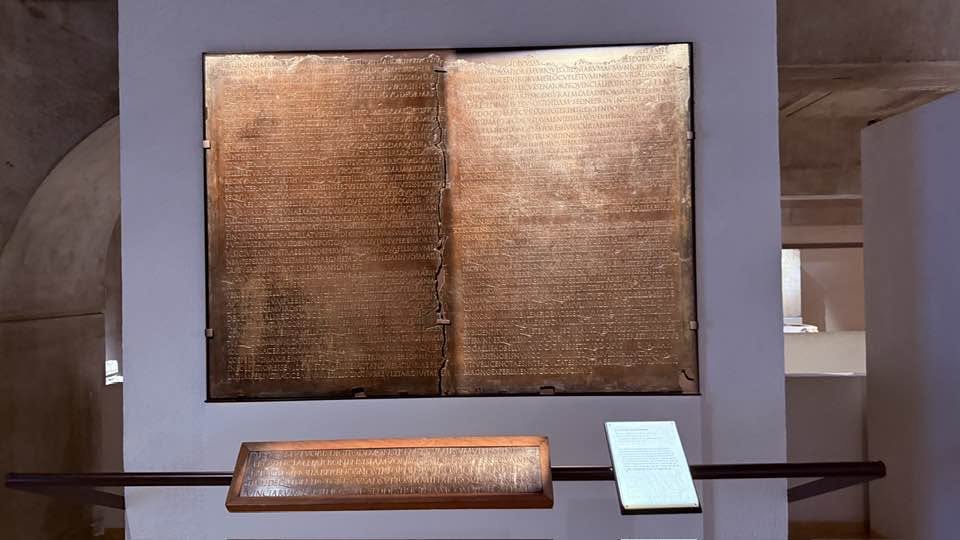
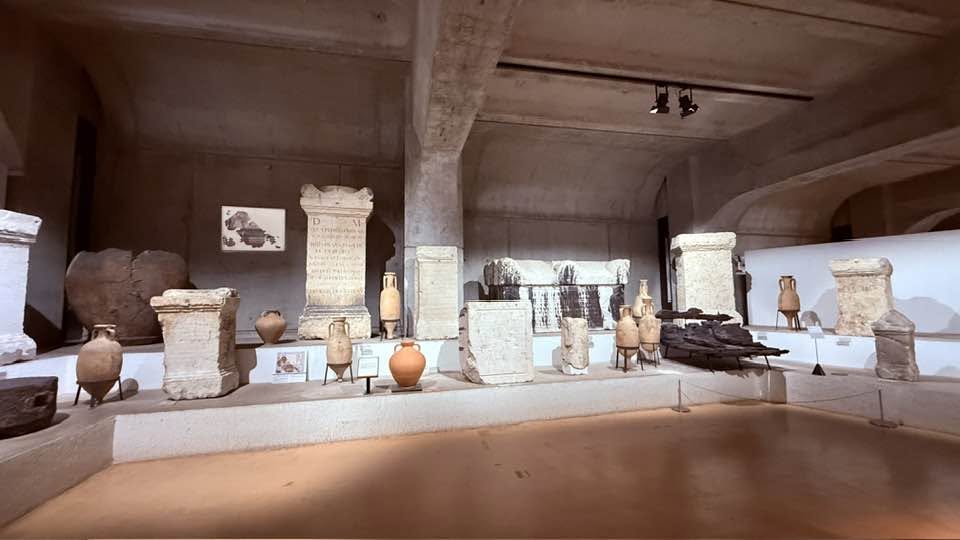
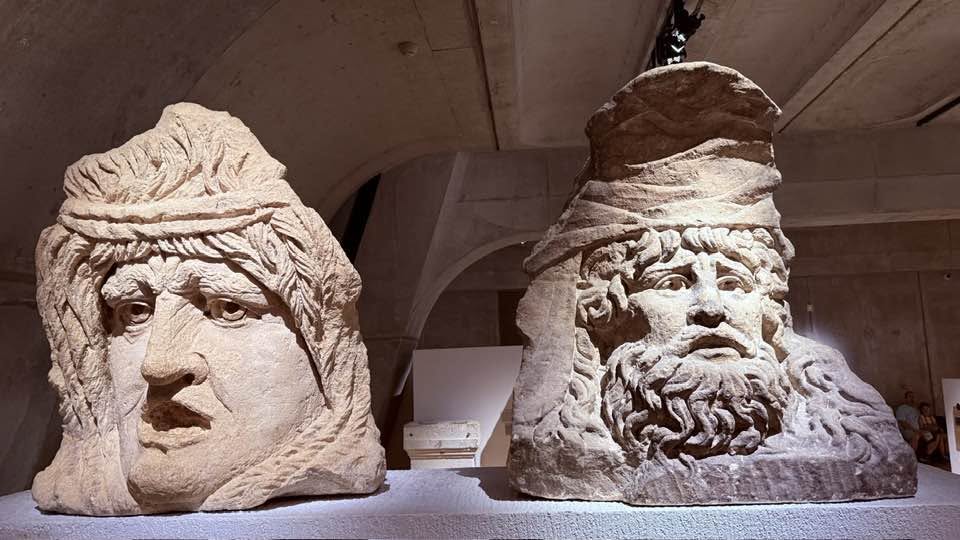
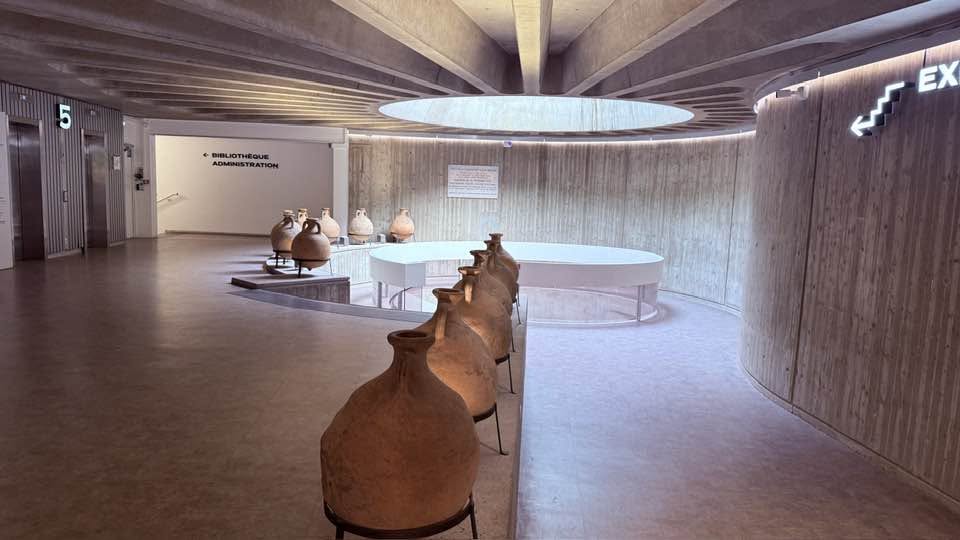
Next door is the beautifully designed Lugdunum Museum. Built in 1975 and cleverly tucked into the hillside, houses an impressive collection of mosaics, sculptures, jewelry, coins, everyday objects, and inscriptions. These reveal what life was really like in Roman Lyon. Highlights include the famous Claudian Tablet, a bronze record of Emperor Claudius, who was actually born in Lyon. The text argues for greater rights for the Gauls in the Roman Senate.
The Ancient Theatre of Fourvière
Address:
Hours:
Monday Closed
Tuesday – Friday 11 AM–6 PM
Saturday – Sunday 10 AM –6 PM
Lyon’s Food, History & Resistance:Centre d’Histoire de la Résistance et de la Déportation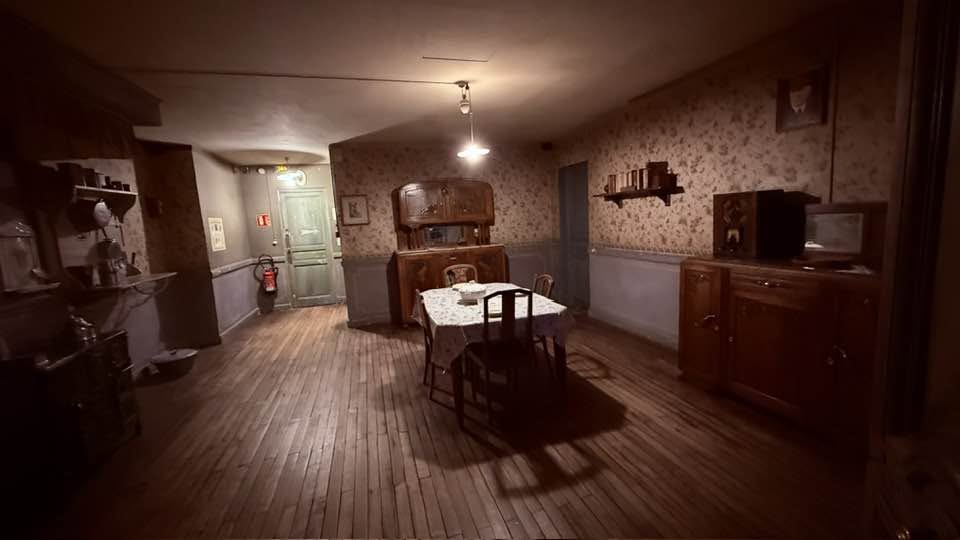
Lyon played a crucial role in the French Resistance during World War II, earning the title “Capital of the Resistance.” Today, the Centre d’Histoire de la Résistance et de la Déportation (CHRD) tells that story in a place where history feels especially close. The museum is housed in the former Military Health School. This building was taken over by the Gestapo in 1943. Chillingly, this is where Klaus Barbie, the notorious “Butcher of Lyon,” carried out interrogations and torture.
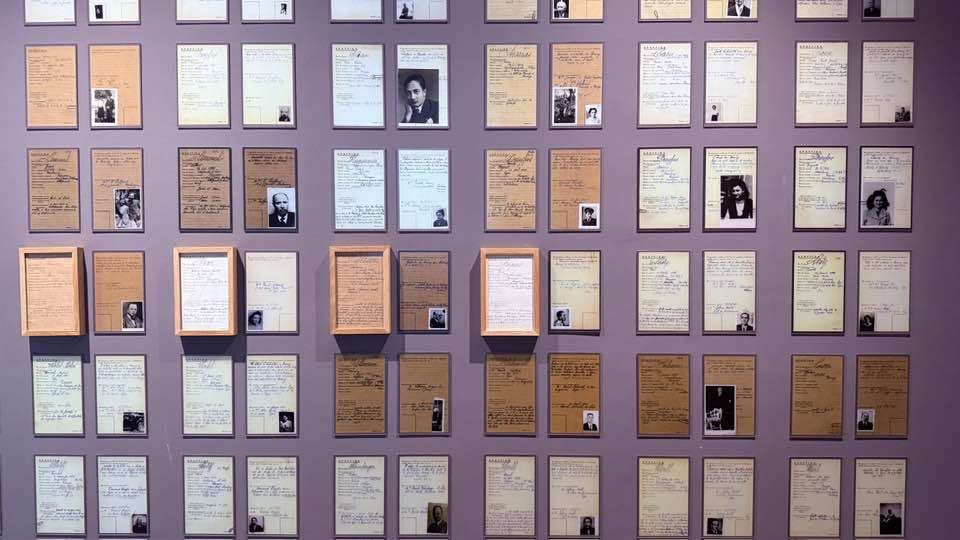
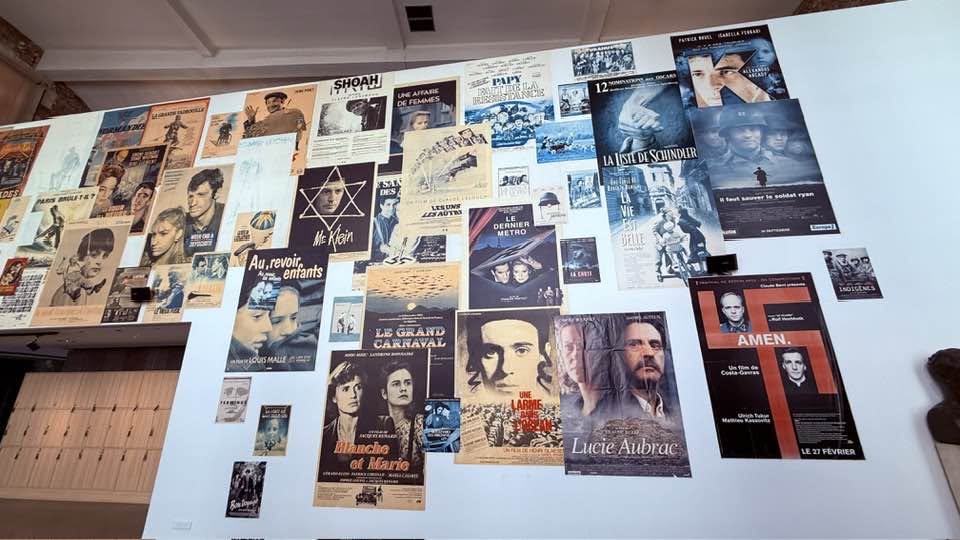
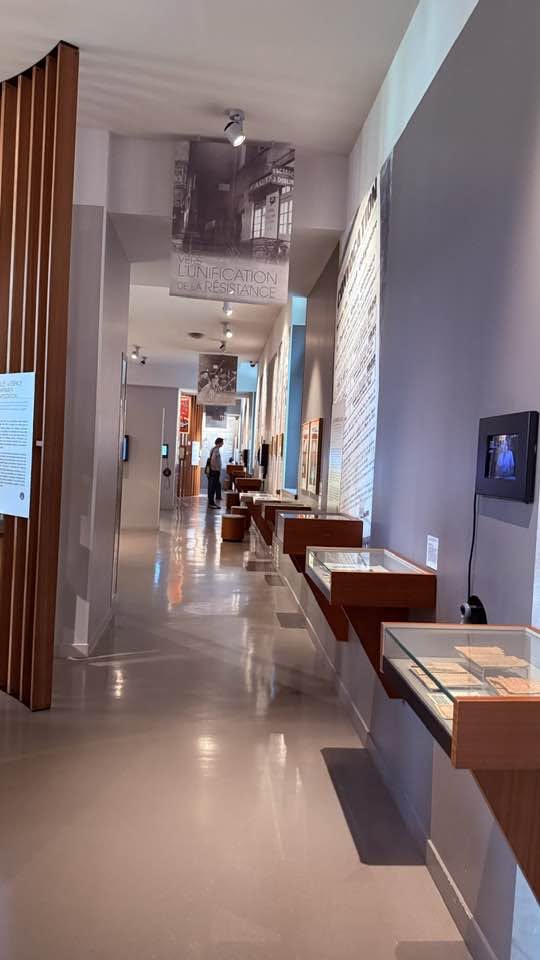
Inside, the museum goes far beyond dates and military battles. The collection includes photographs, documents, personal belongings, propaganda, and clandestine newspapers. Also on display are objects donated by former Resistance members and deportees. Collectively, these reveal what everyday life was like under Occupation. Furthermore, hundreds of filmed testimonies also give survivors and witnesses a voice, making the history remarkably personal.
People from different social and political backgrounds took enormous risks. Printing underground newspapers, passing information, helping people escape, gathering intelligence, and fighting the Nazi occupation. All while knowing that discovery could mean imprisonment, torture, deportation, or death.
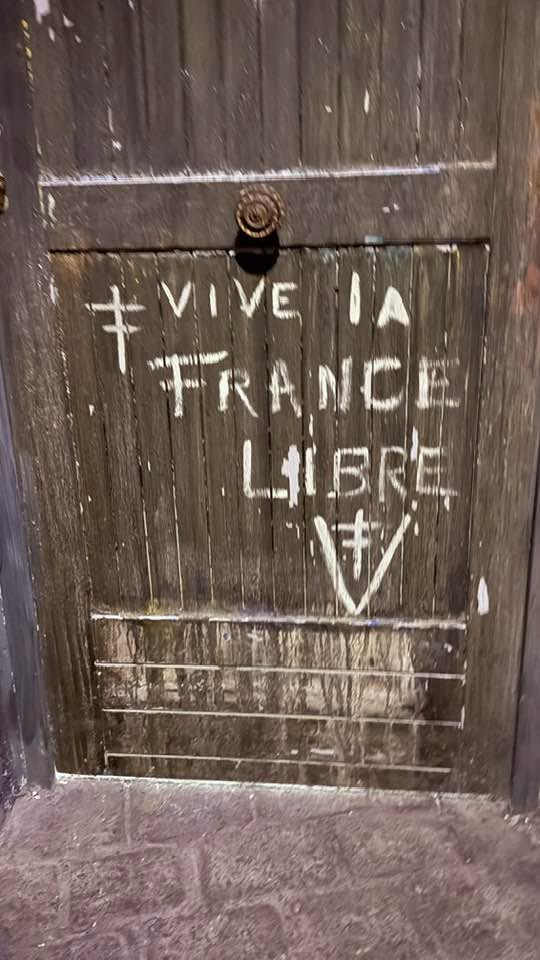
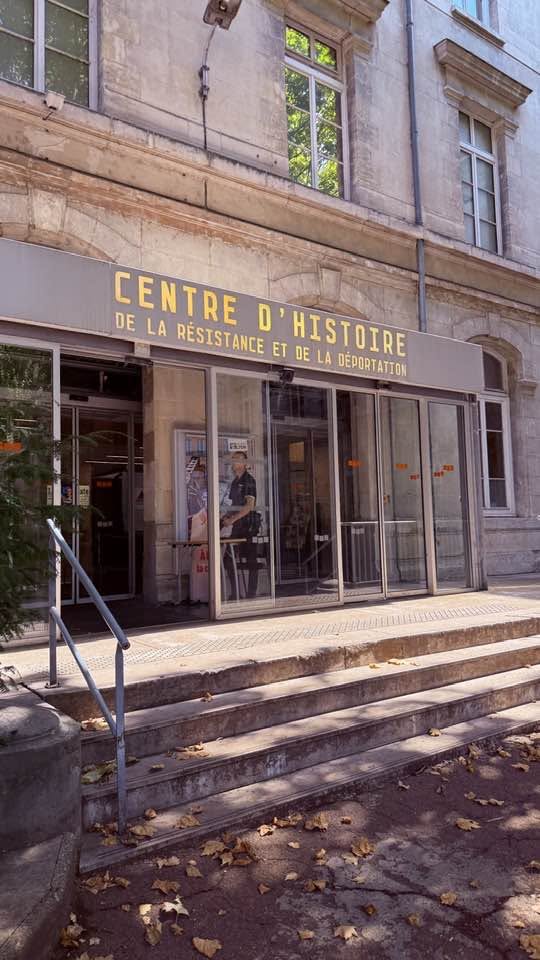
The museum also tells the much darker story of persecution and deportation, including Lyon’s Jewish community. It doesn’t shy away from the brutality of the occupation or the collaboration that occurred alongside the Resistance. At the end of the exhibit, a book lists all the names of local Jews who were persecuted. It would take almost 24 hours to read the names from beginning to end.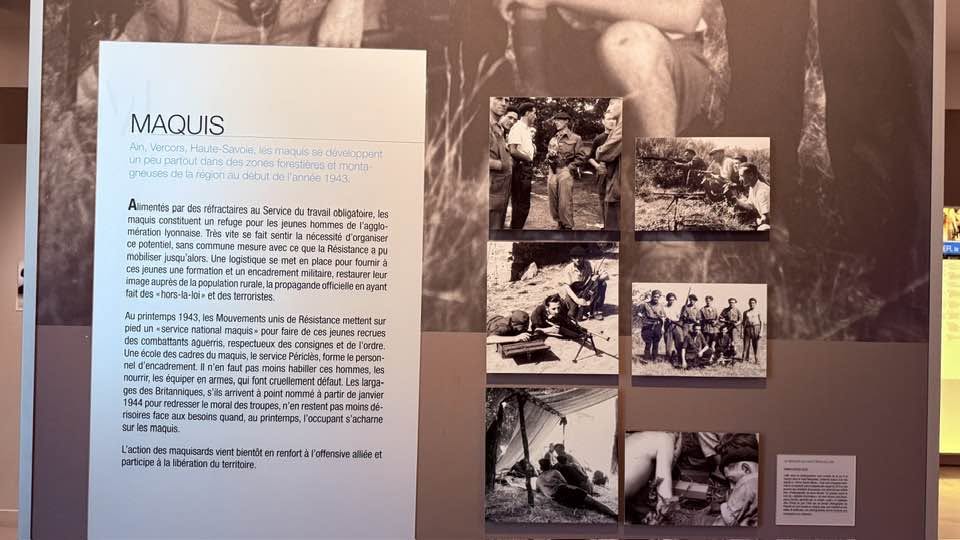
Centre d’Histoire de la Résistance et de la Déportation
Address: 14 Av. Berthelot, 69007 Lyon, France
Hours:
Monday & Tuesday: Closed
Wednesday -Friday 10 AM–5:15 PM
Saturday & Sunday: 10 AM–6 PM
Lyon’s Food, History & Resistance: Le Veilleur de pierre (“The Stone Watchman”)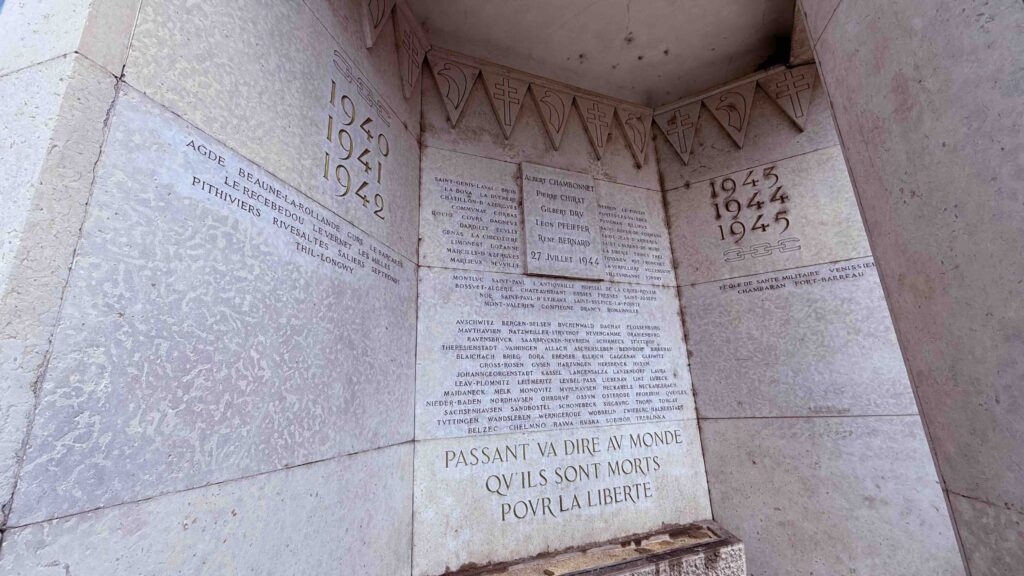
This tall stone monument was installed in 1948, four years after Lyon’s liberation in WW2. It commemorates five members of the French Resistance executed by German forces on July 27, 1944, just weeks before the liberation of Lyon:
* Albert Chambonnet
* Gilbert Dru
* Léon Pfeffer
* René Bernard
* Francis Chirat
Their deaths were part of a brutal reprisal. During the night of July 26–27, 1944, an explosion occurred near the Moulin à Vent, a café frequented by German soldiers and members of the collaborationist Milice. Although the explosion caused no deaths, the Germans retaliated the following day. Twenty-seven German soldiers participated in the execution of the five Resistance fighters. The five were already imprisoned and therefore could not have been responsible for the attack.
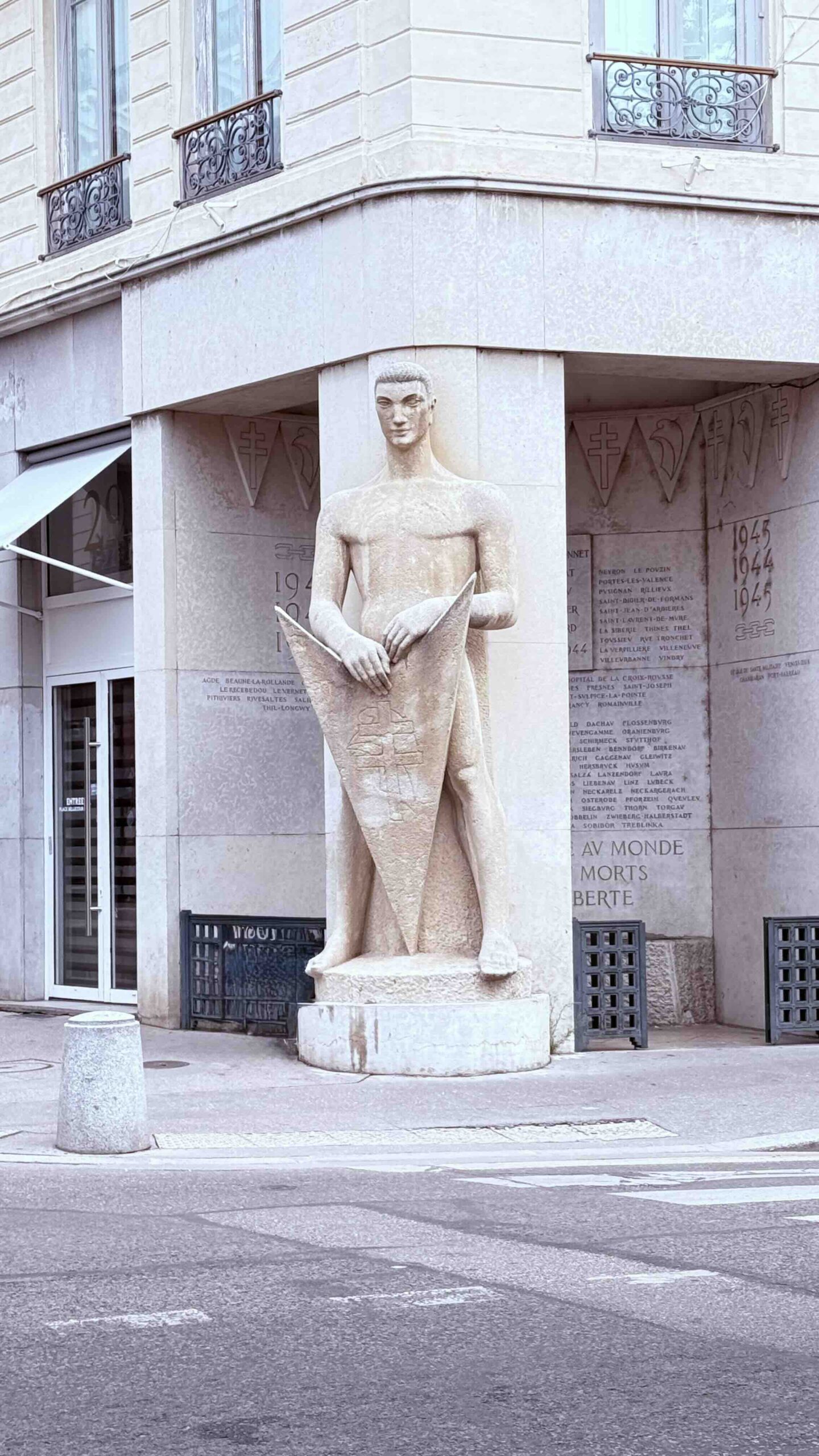
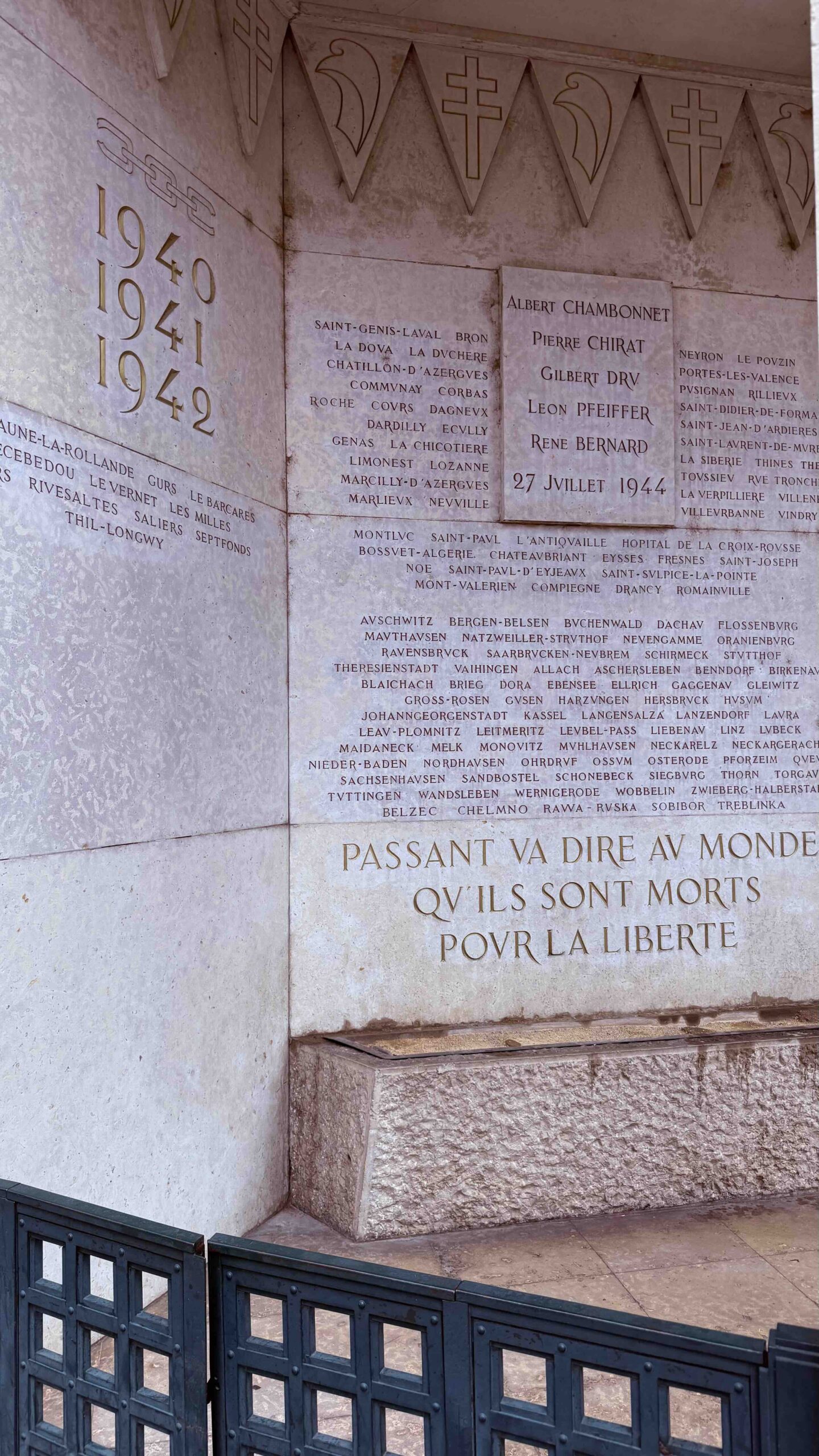
The wall behind the figure contains three different kinds of inscriptions: the five Resistance fighters, places in the Rhône-Alpes region marking the massacres, and names of Nazi concentration/extermination camps.
The monument’s inscription:
“Passant, va dire au monde qu’ils sont morts pour la Liberté.”
“Passerby, go tell the world that they died for Freedom.”
Location: Corner of Place Bellecour and Rue Gasparin (10 Place Bellecour / 29 Rue Gasparin), Lyon
In conclusion, Lyon is not only rich in food but also in culture, art, history, and architecture. We came for the cuisine. However, Lyon has so much more to offer. It’s a city that is easy to get around, and the people are so friendly.
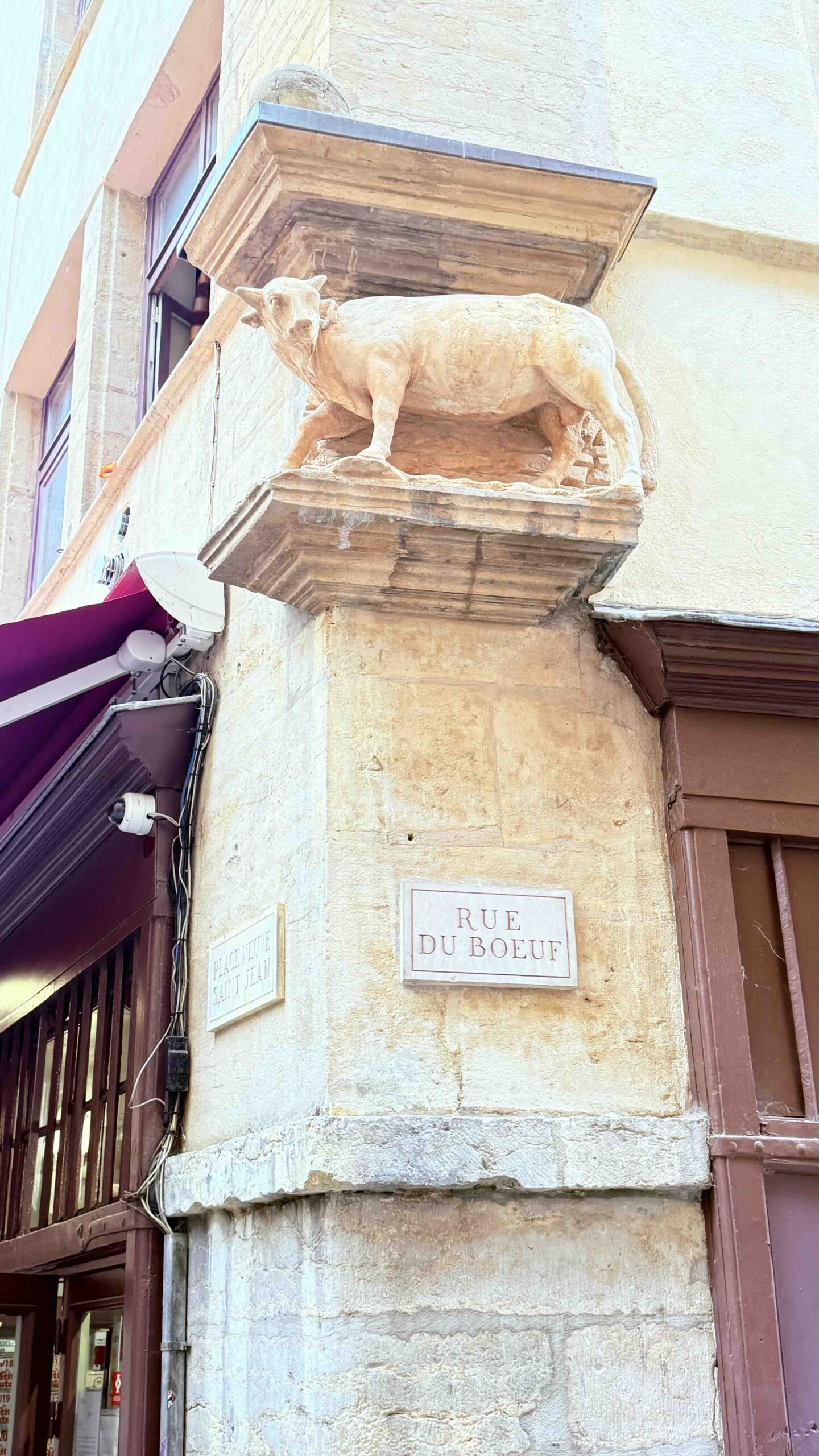
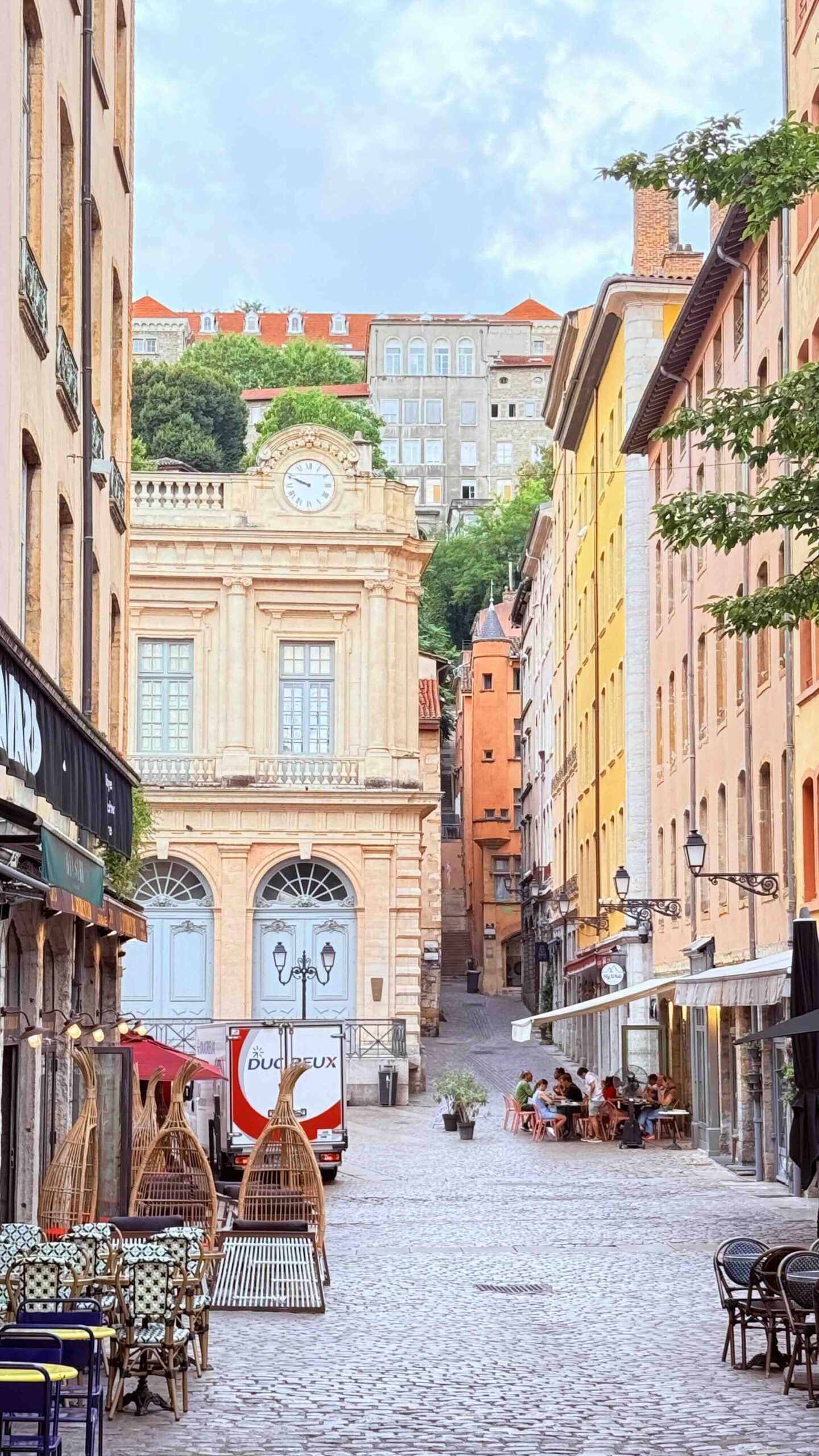
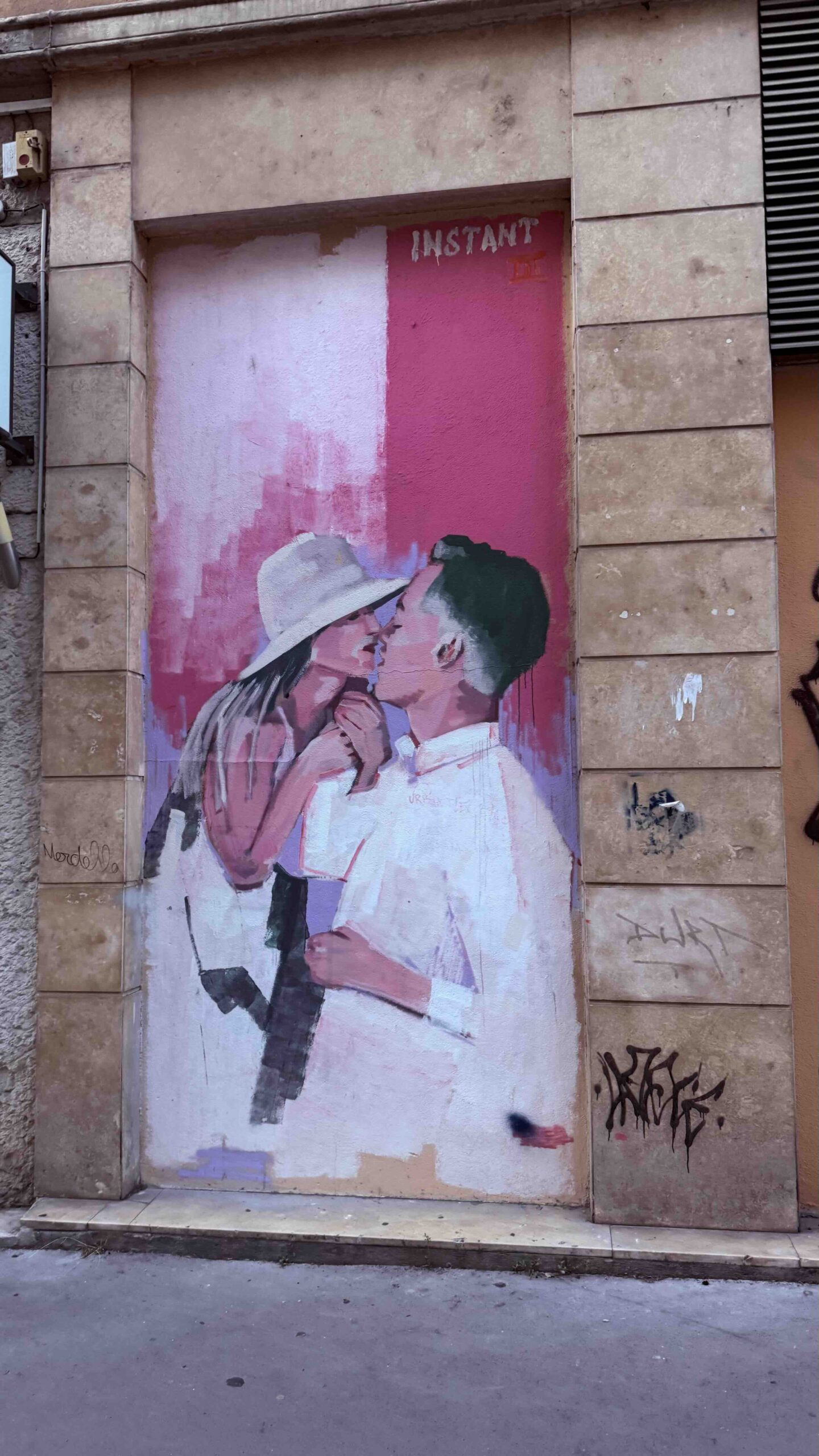
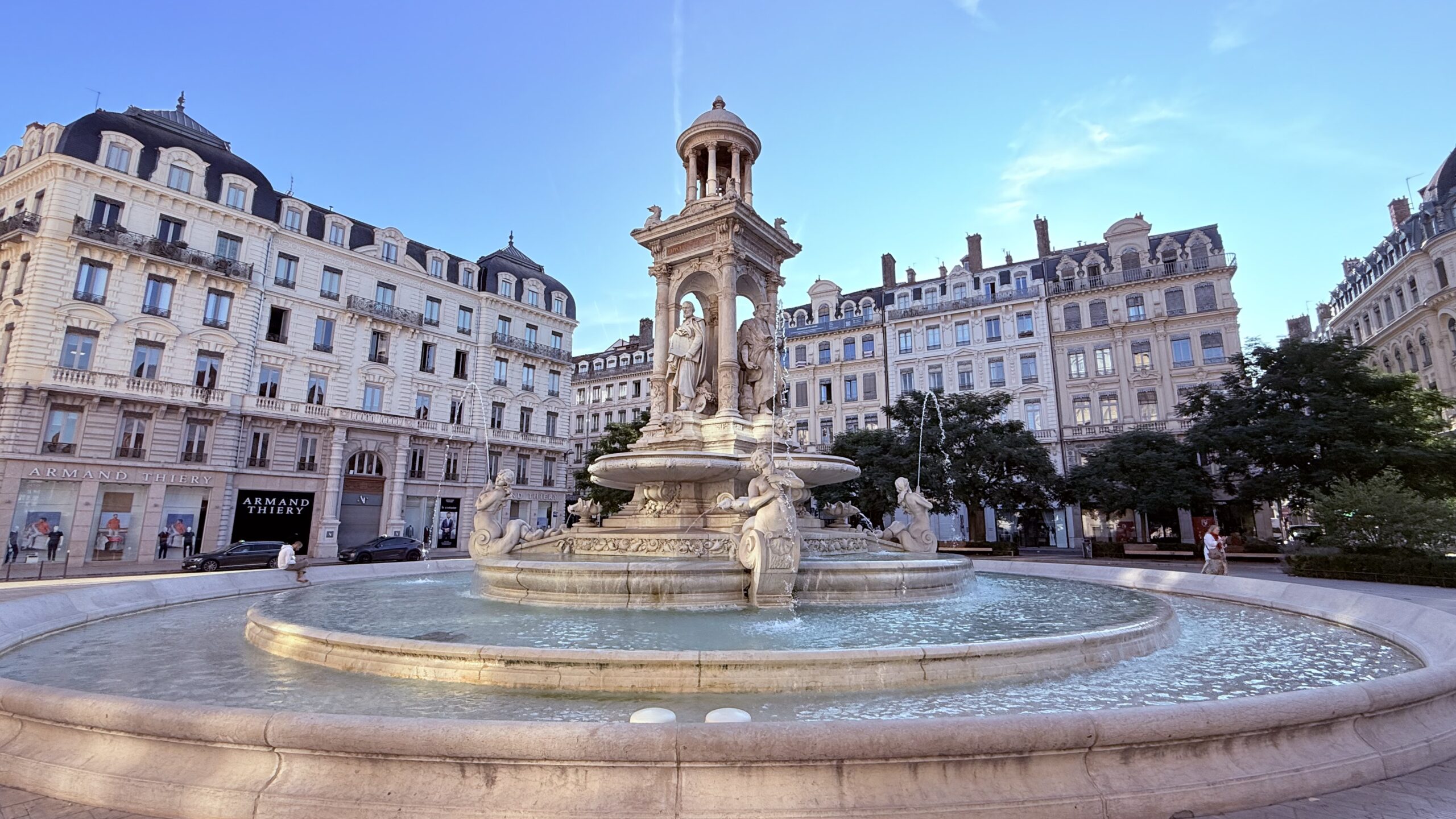
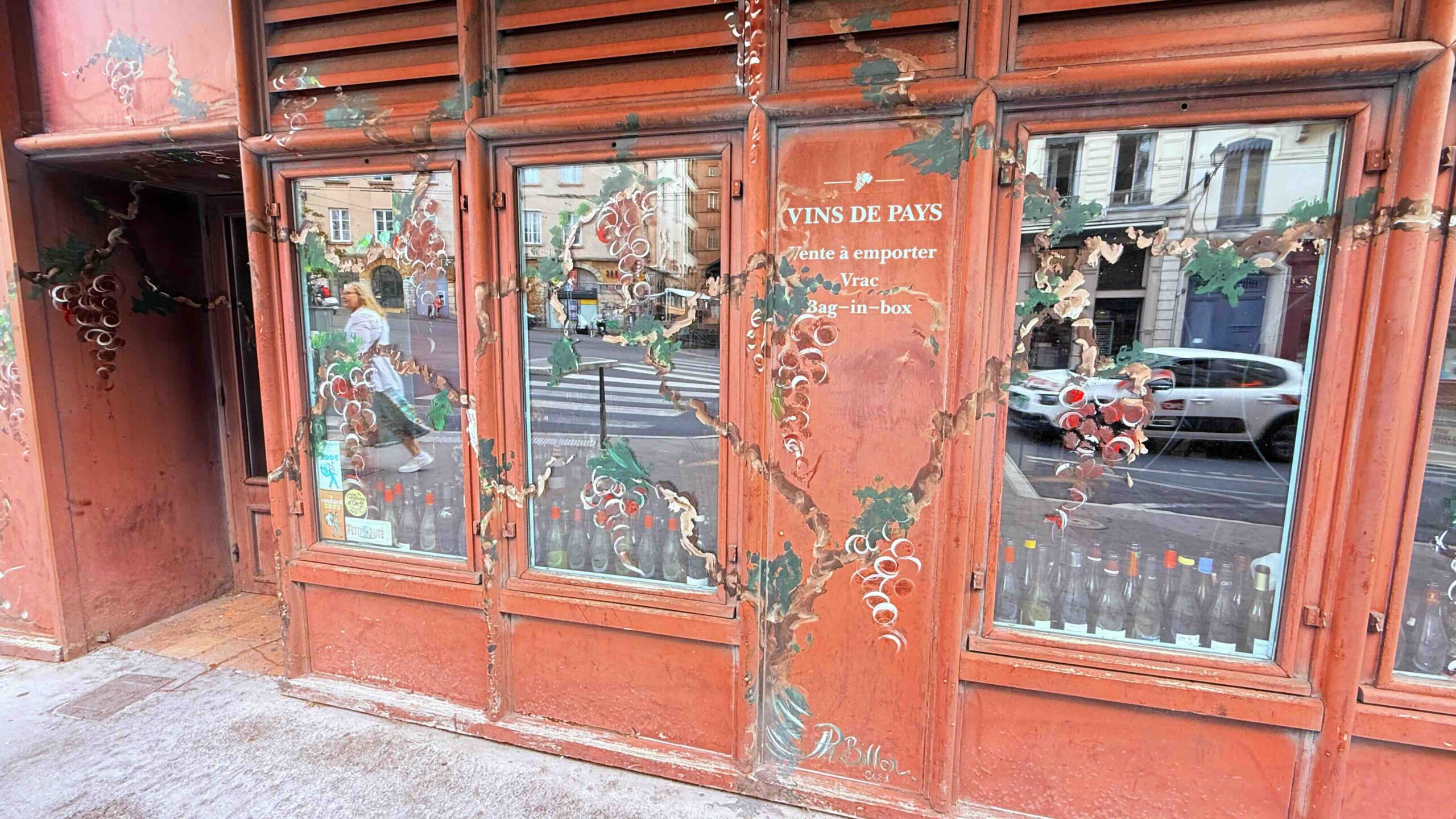
Consequently, I highly recommend a visit to this beautiful city.
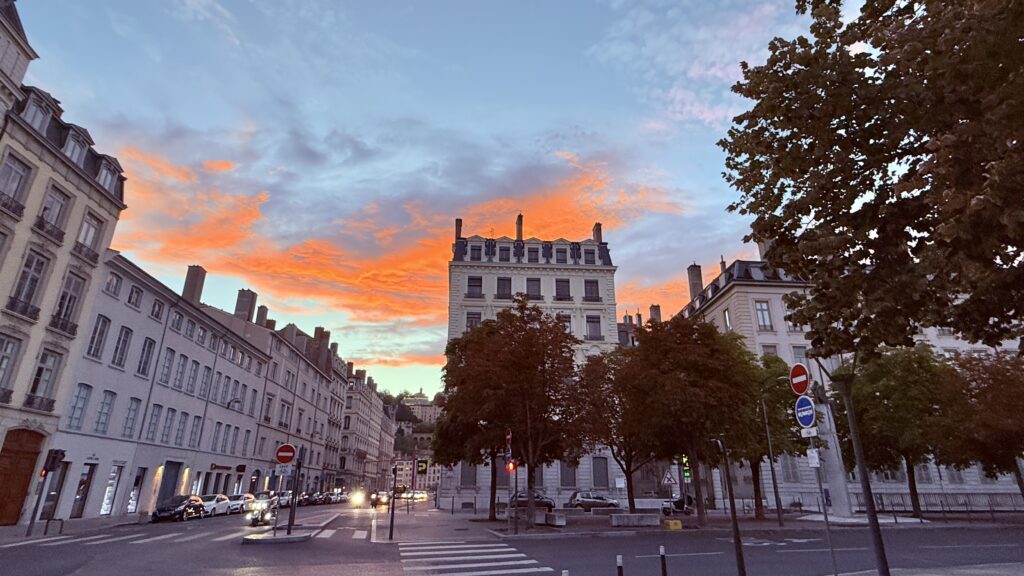
So, did you like this Lyon’s Food, History & Resistance post? Then also check out some of these other travel stories:

5 FLOATING CITY FAVORITES
9 TOP PARIS STOPS
CITRUSY MAGICAL MENTON FRANCE
