
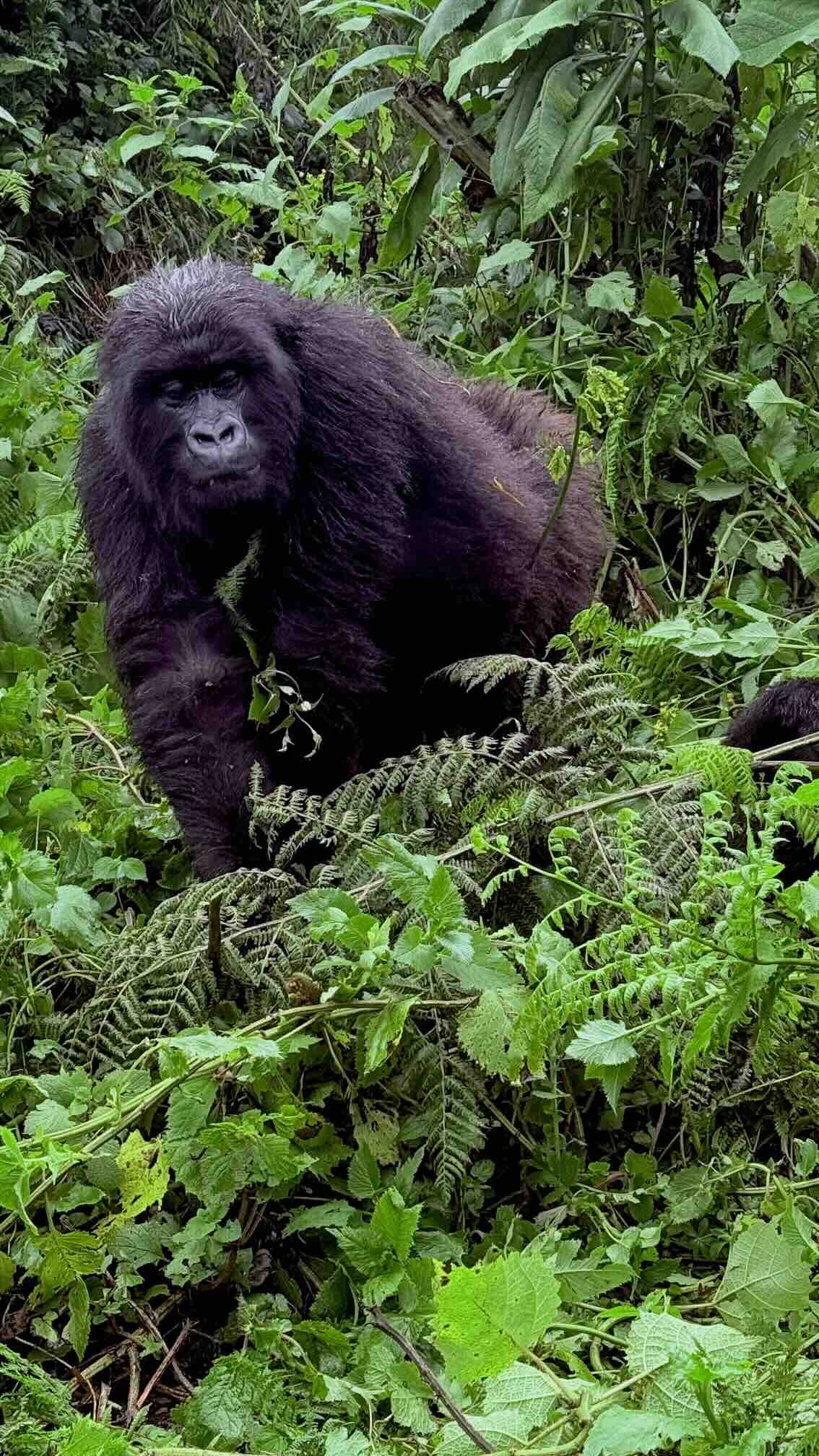
Last February, my husband and I checked a huge ticket item off our bucket list. Visiting the Gorillas in the mist had long been a wish of both of ours. We were so fortunate to have this experience of a lifetime. After the trek, of course, I posted about it on social media. People had so many questions that I created a post with the information below to include Mountain Gorilla Trekking Tips & Info.
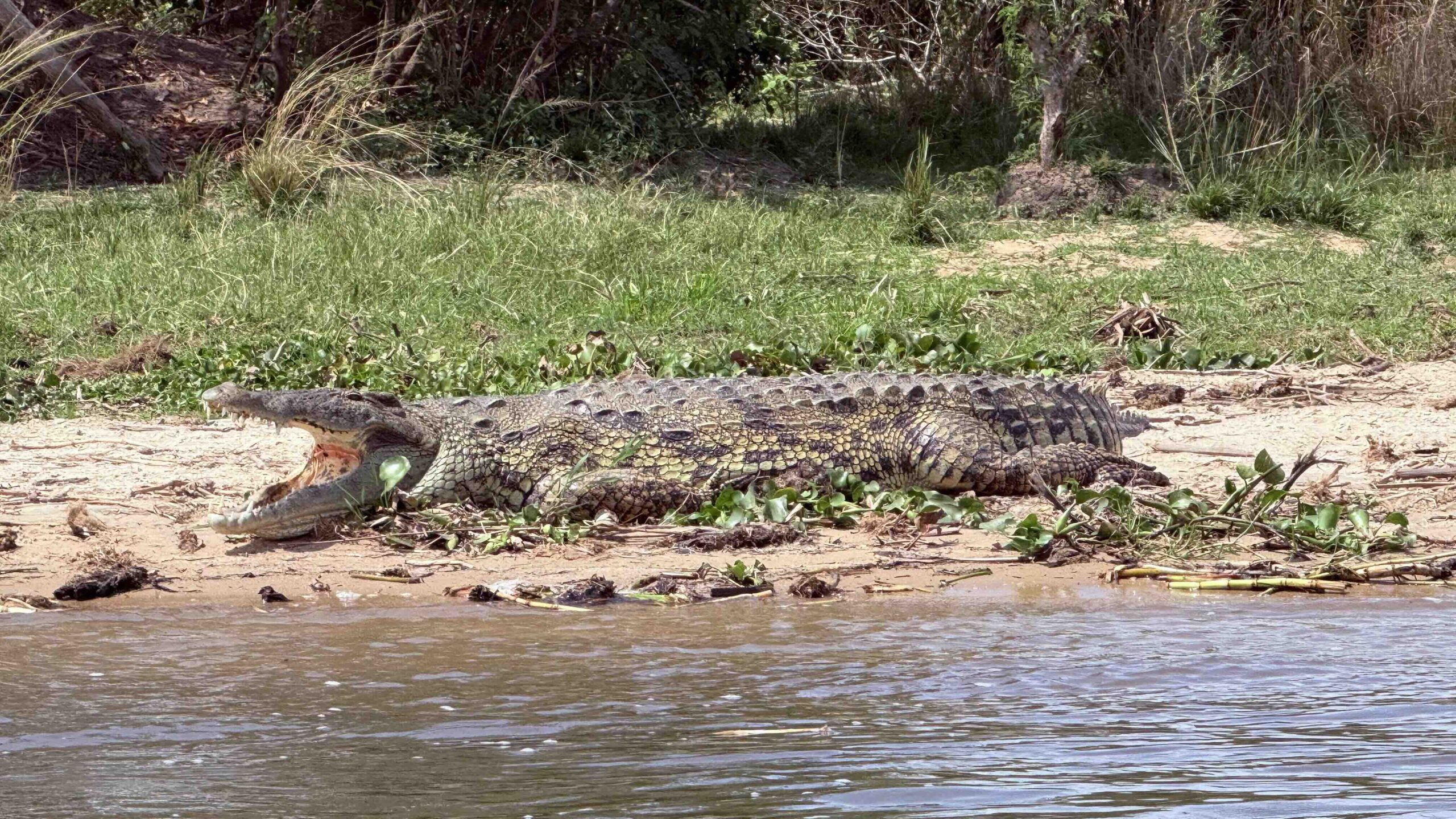
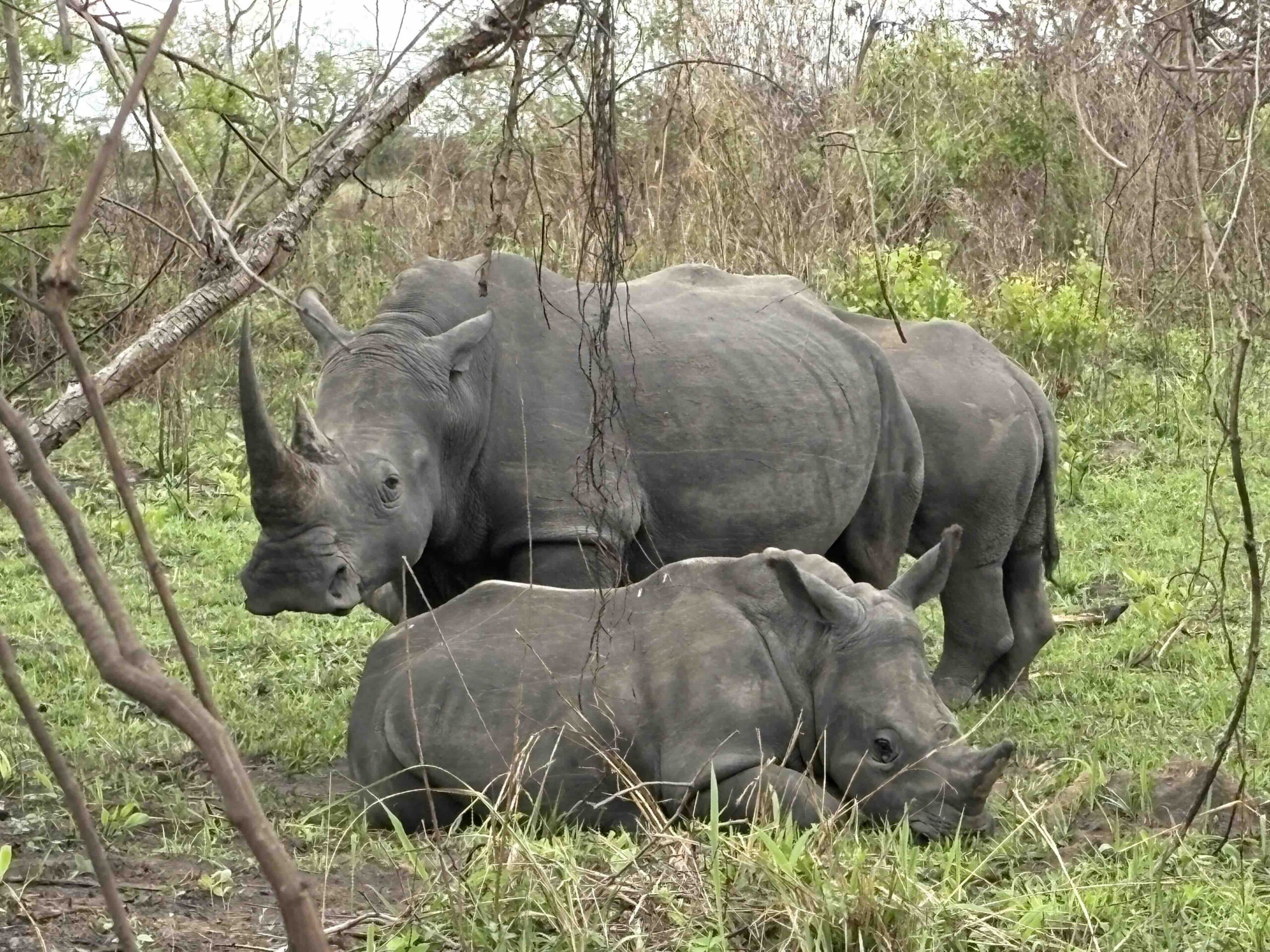
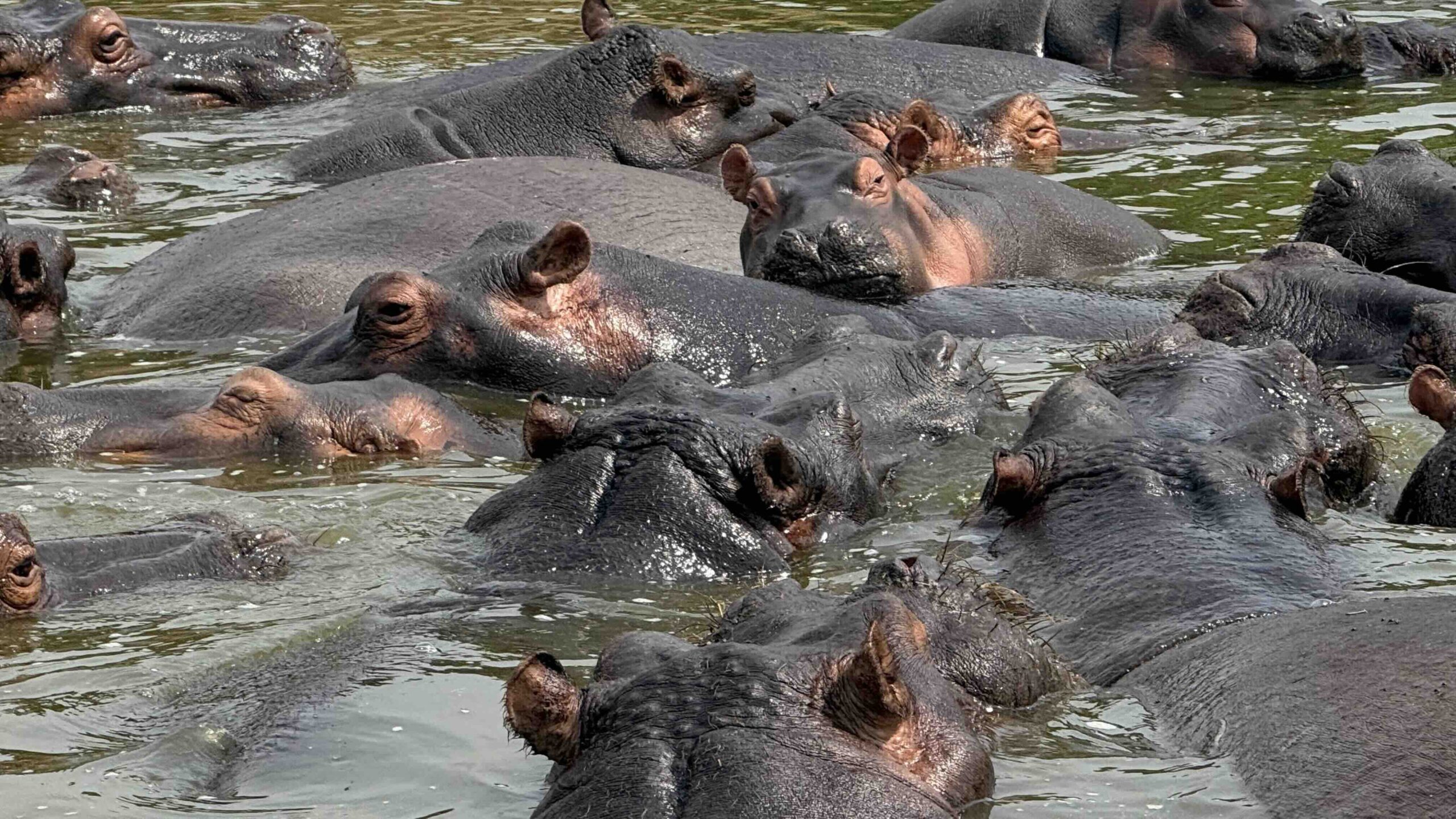
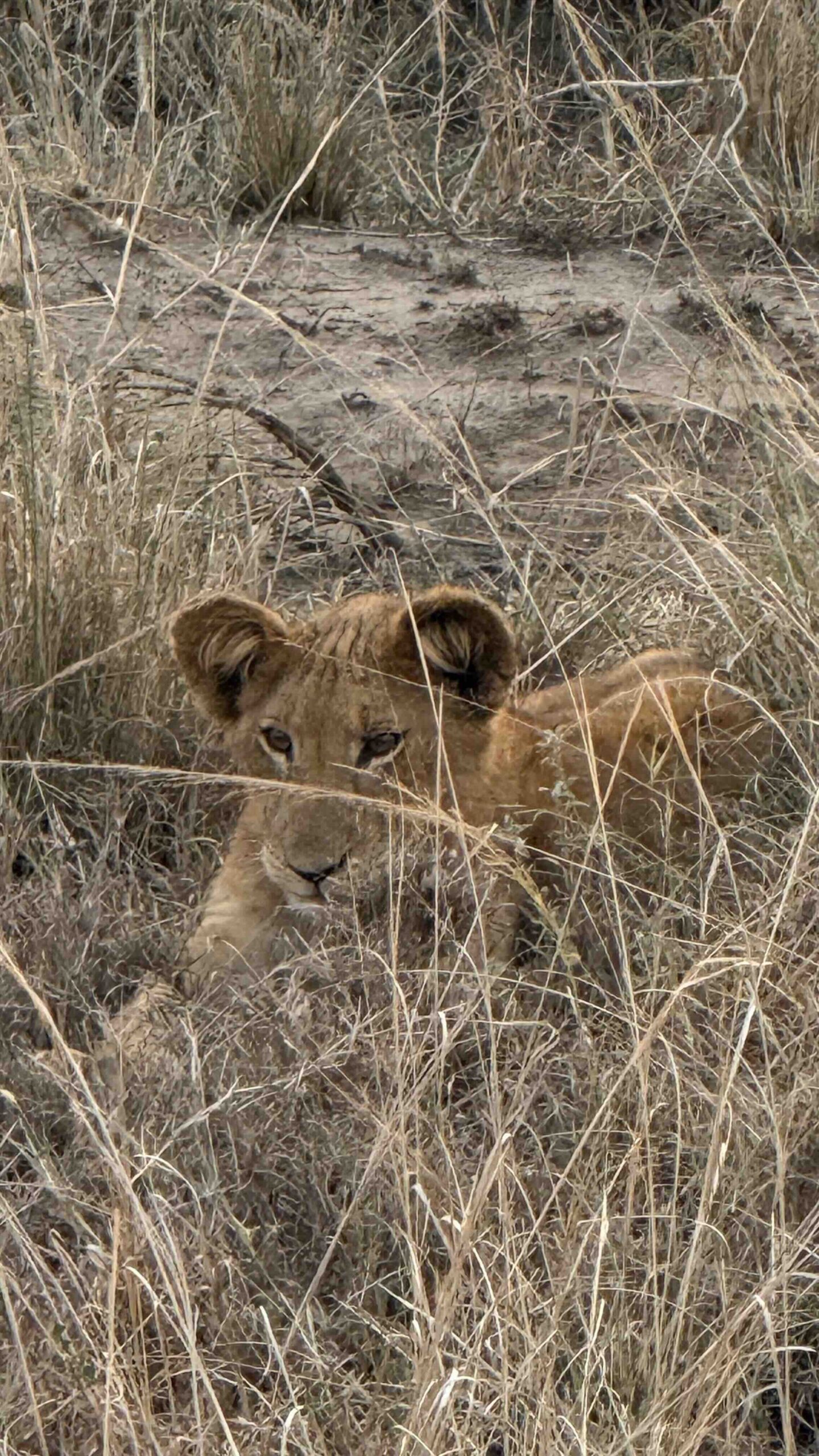
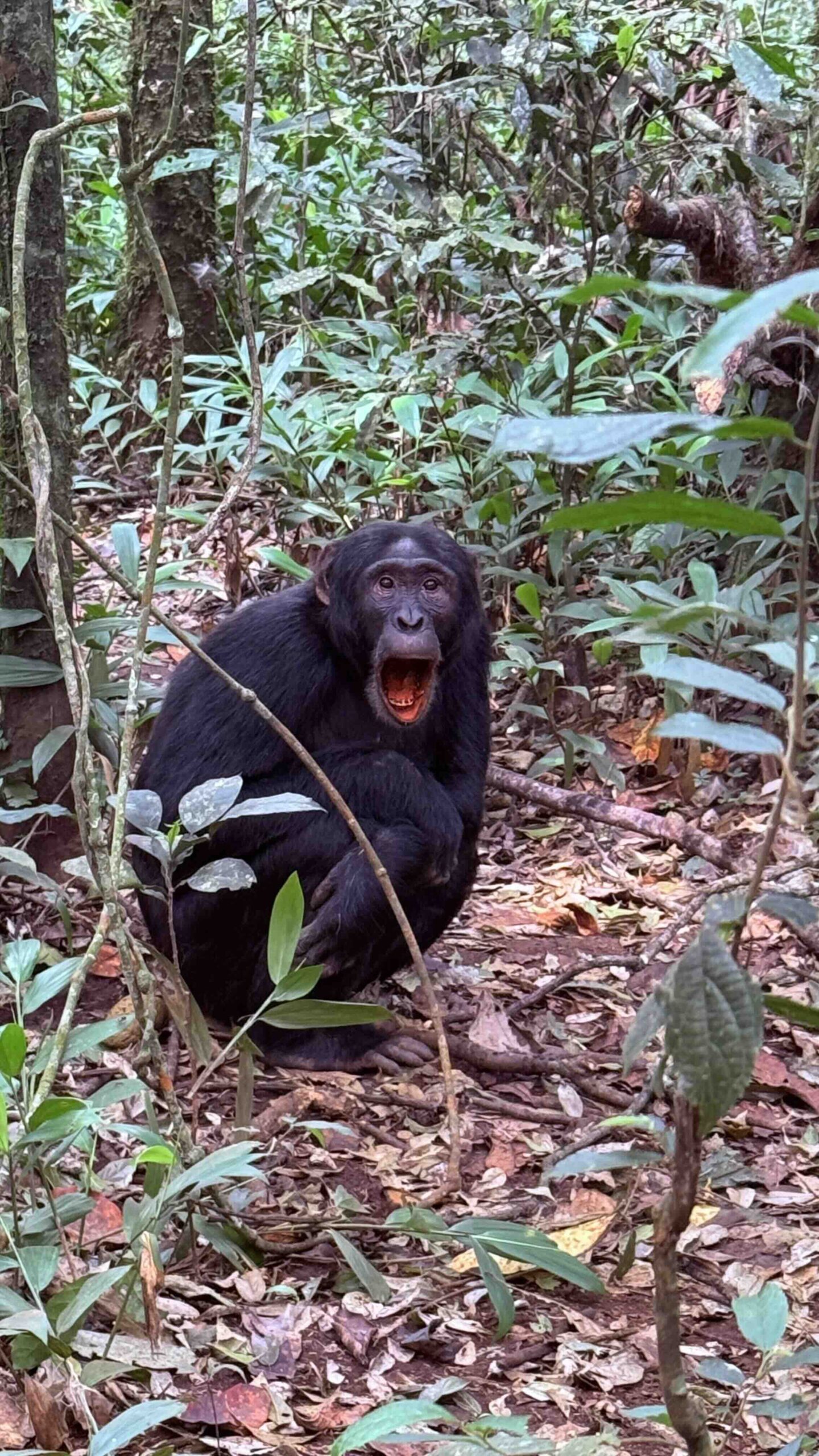
This experience was at the beginning of a fantastic multi-week safari starting in Rwanda and mostly through Uganda, staying in a series of luxury properties that added significantly to the dreamy experience. The trip had many other incredible highlights and wildlife sightings. These included chimpanzee, tree-climbing lions, leopards, and rhino treks, as well as boat rides with hippos and Nile crocodile sightings.
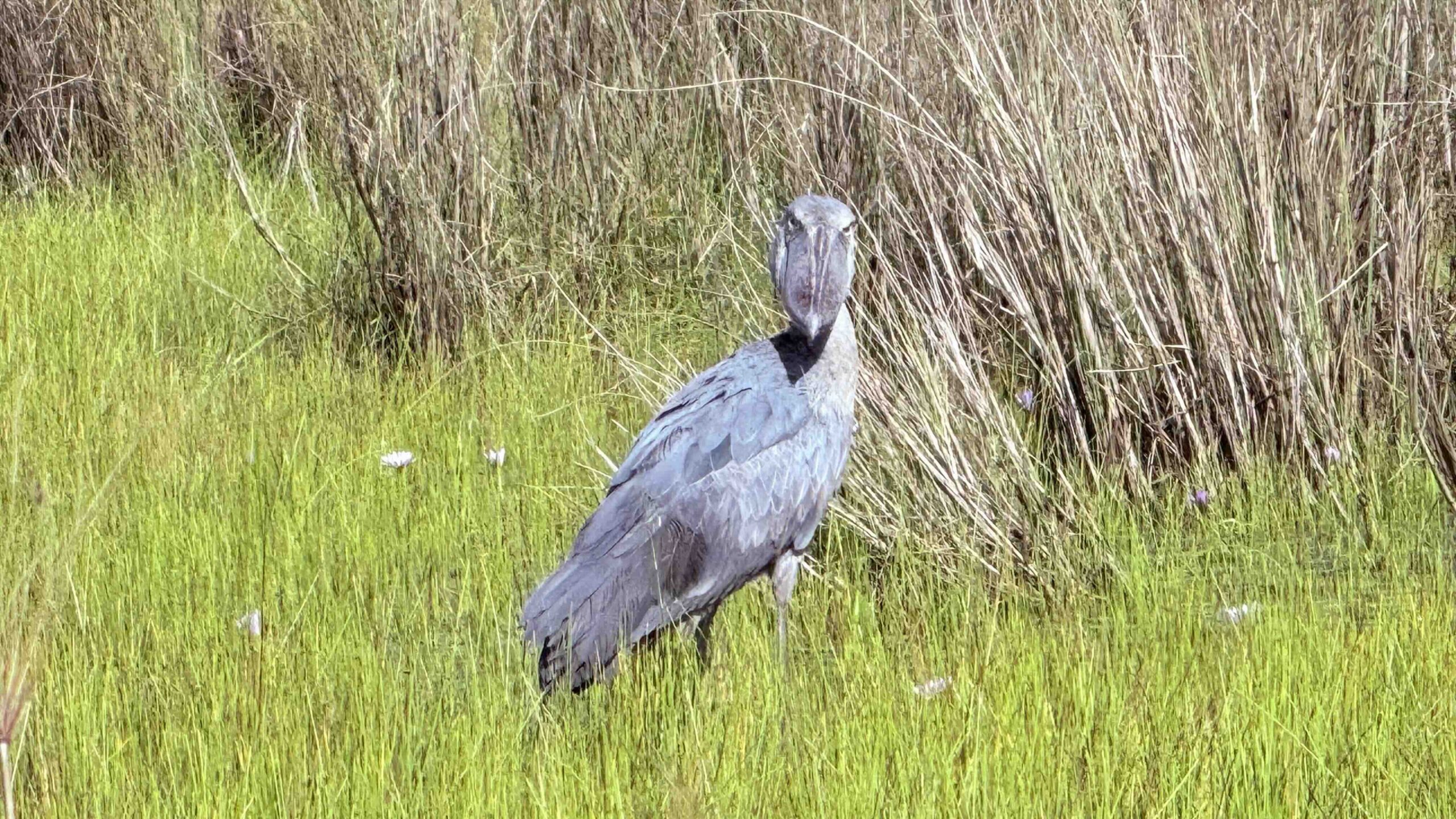
The bird life was remarkable, and the people were so welcoming. We intentionally went with a local, women-owned safari company. Katella Uganda Safaris designed a gorgeous itinerary for us. Highly recommend them. Florence, the owner, is incredibly attentive, designed a gorgeous itinerary for us, and works hard to make sure you have the best experience. Also, I cannot say enough about our guide, Bryt. He drove us over 2,500 Km through national parks. Not only is he a master wildlife spotter, but a joy to be with. He felt like family.
Two Recommended Stops
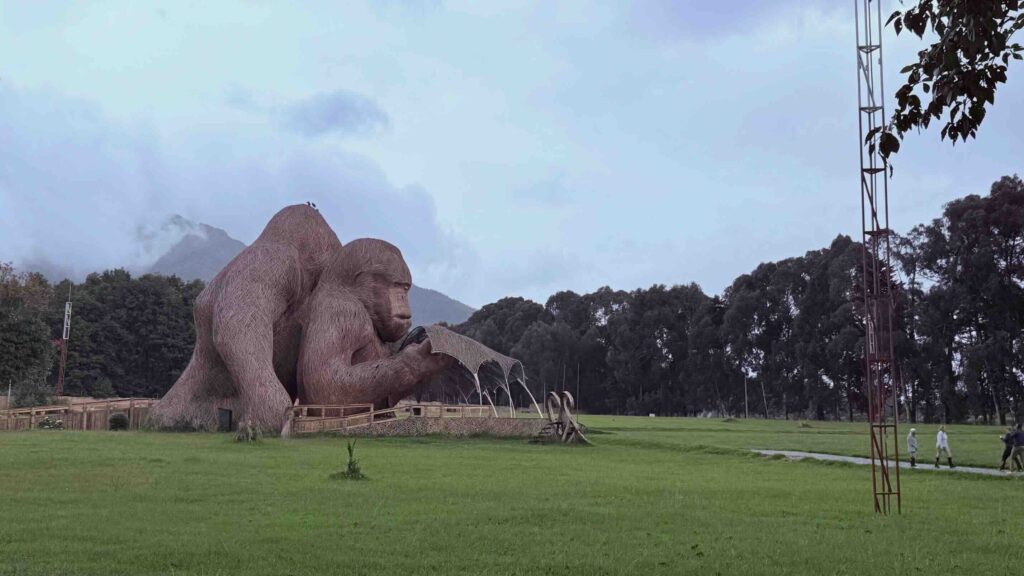
1- Ellen DeGeneres Campus of the Dian Fossey Fund
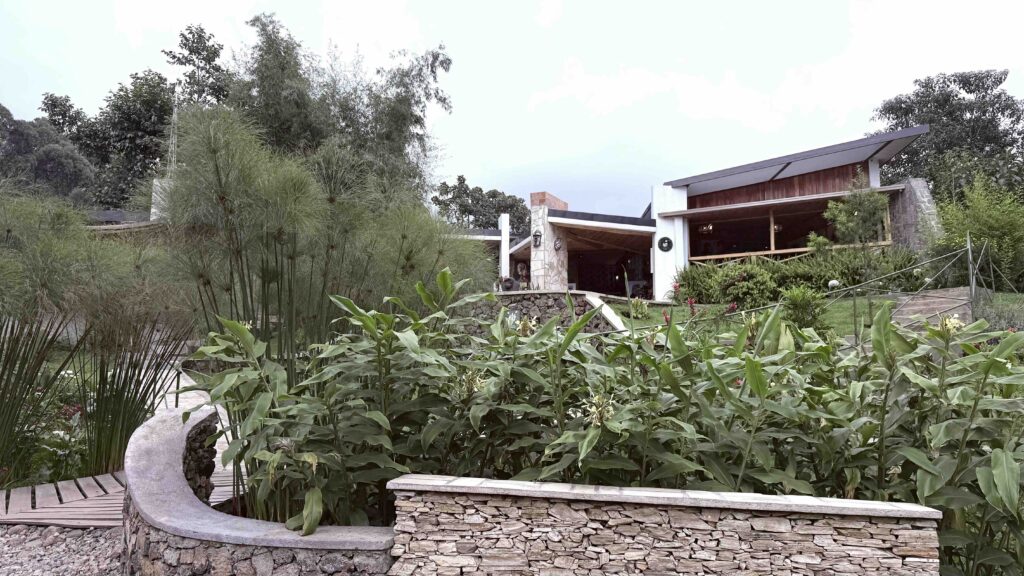
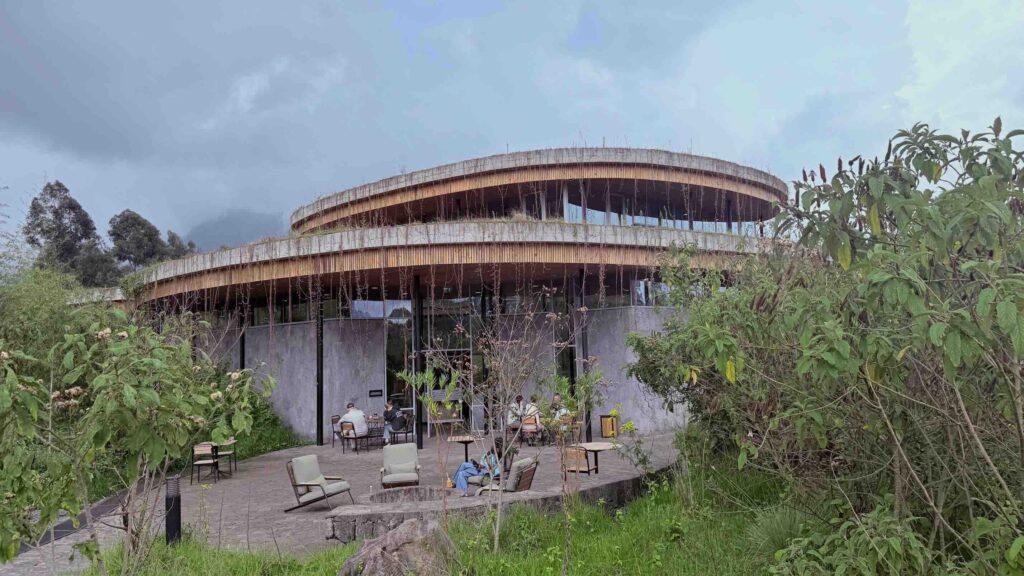 Before you embark on the trek, I highly recommend visiting here. This beautiful facility in a stunning location provides a comprehensive overview of gorilla conservation and of the gorillas themselves.
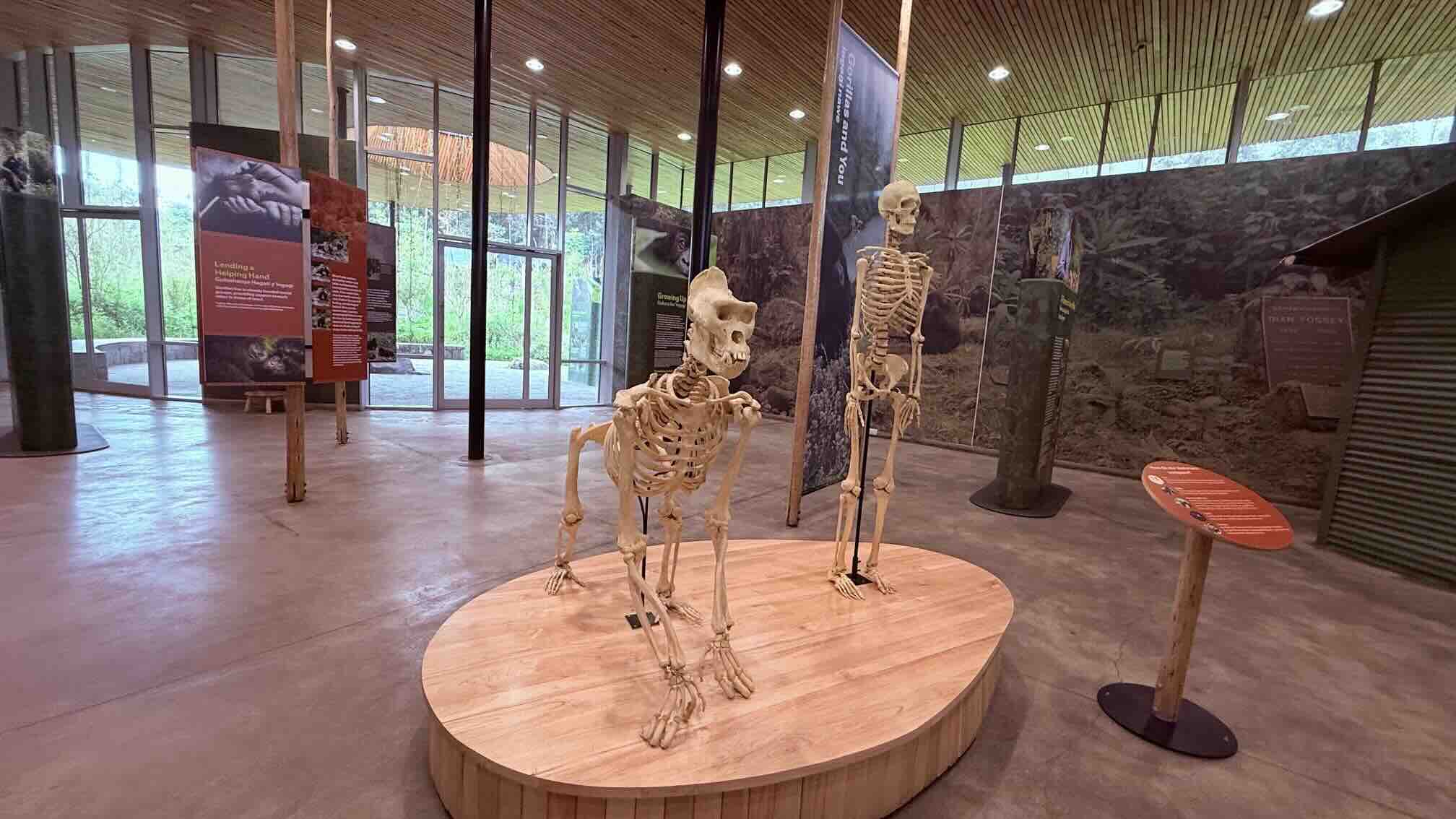
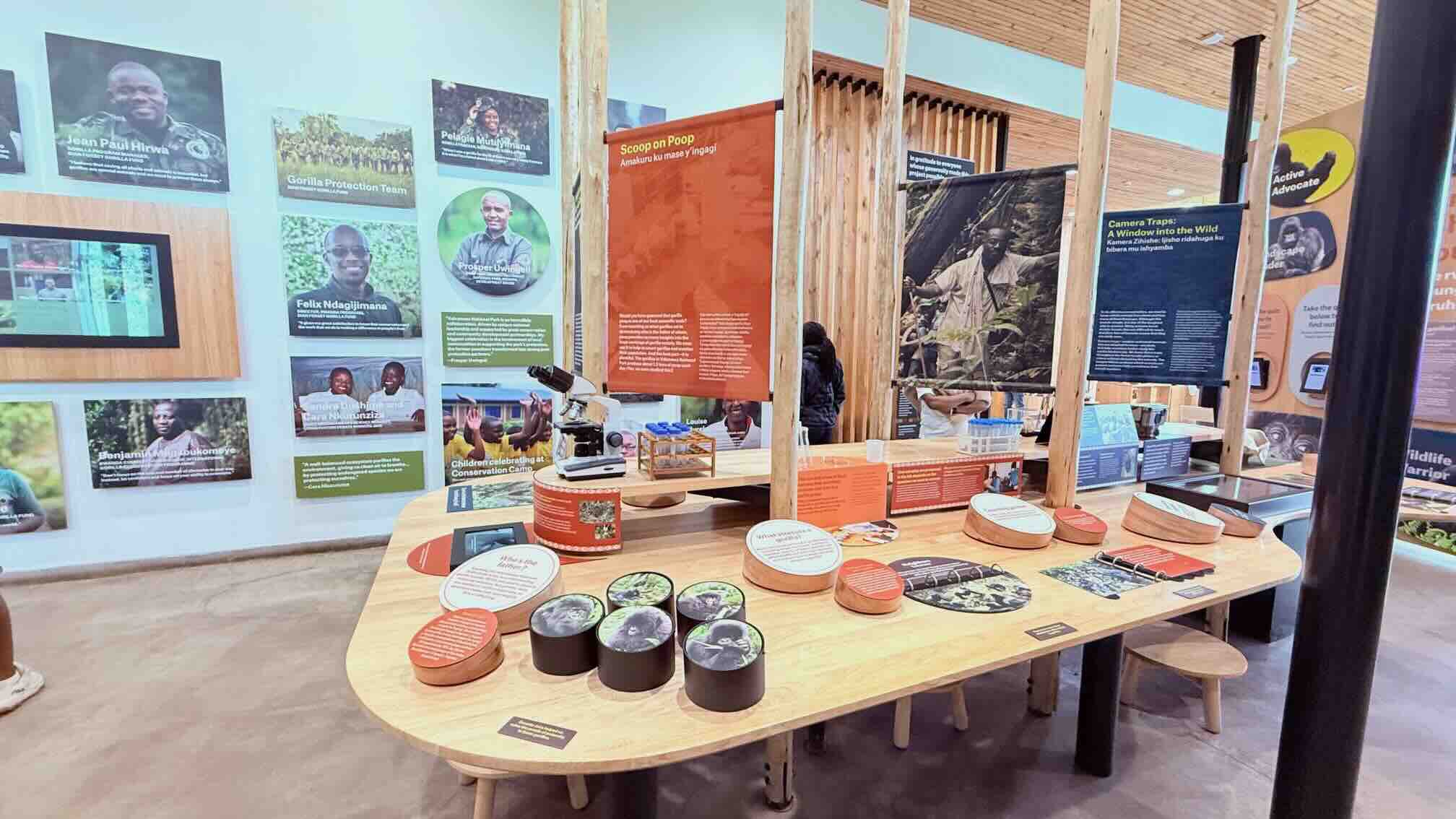
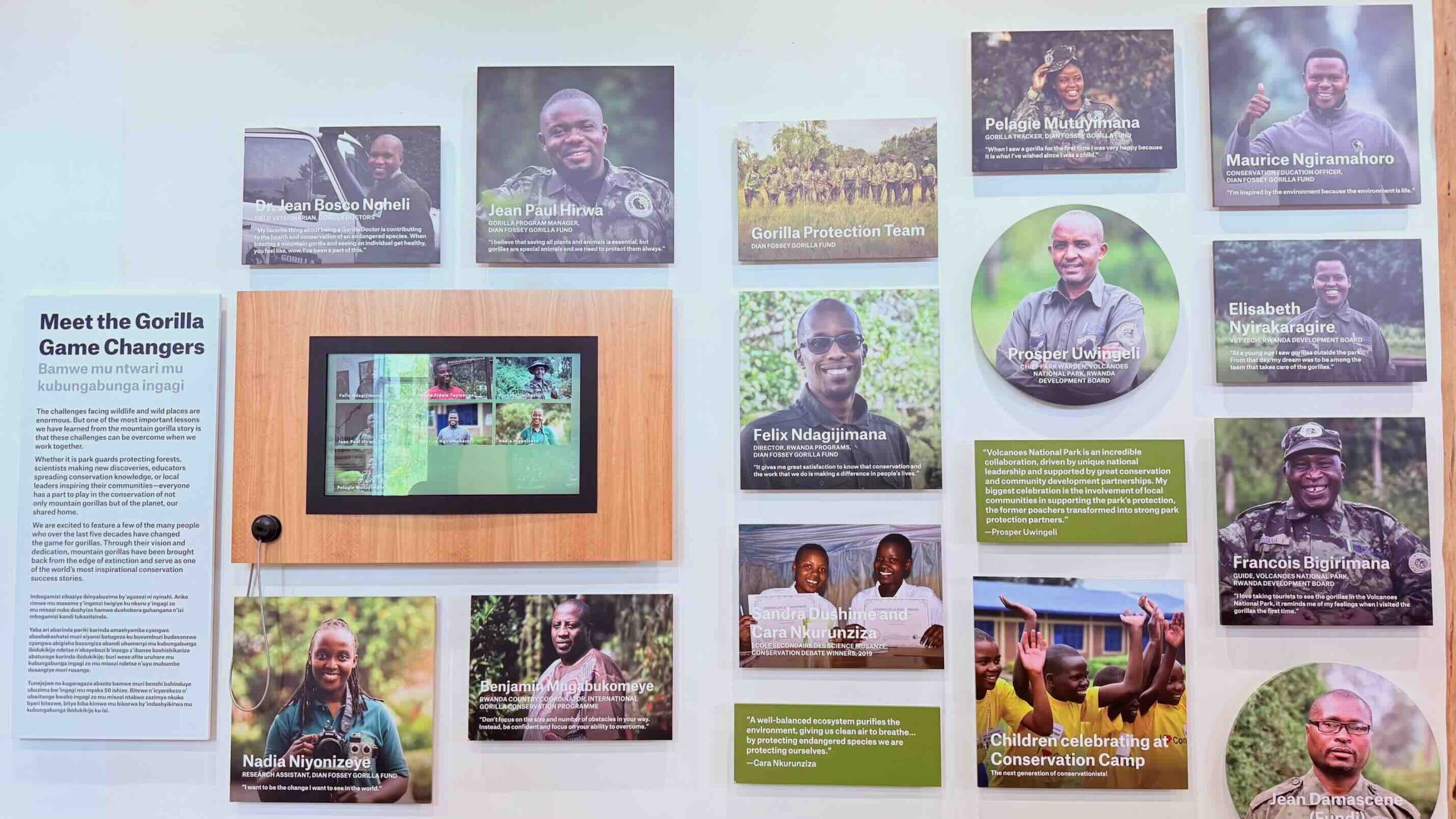
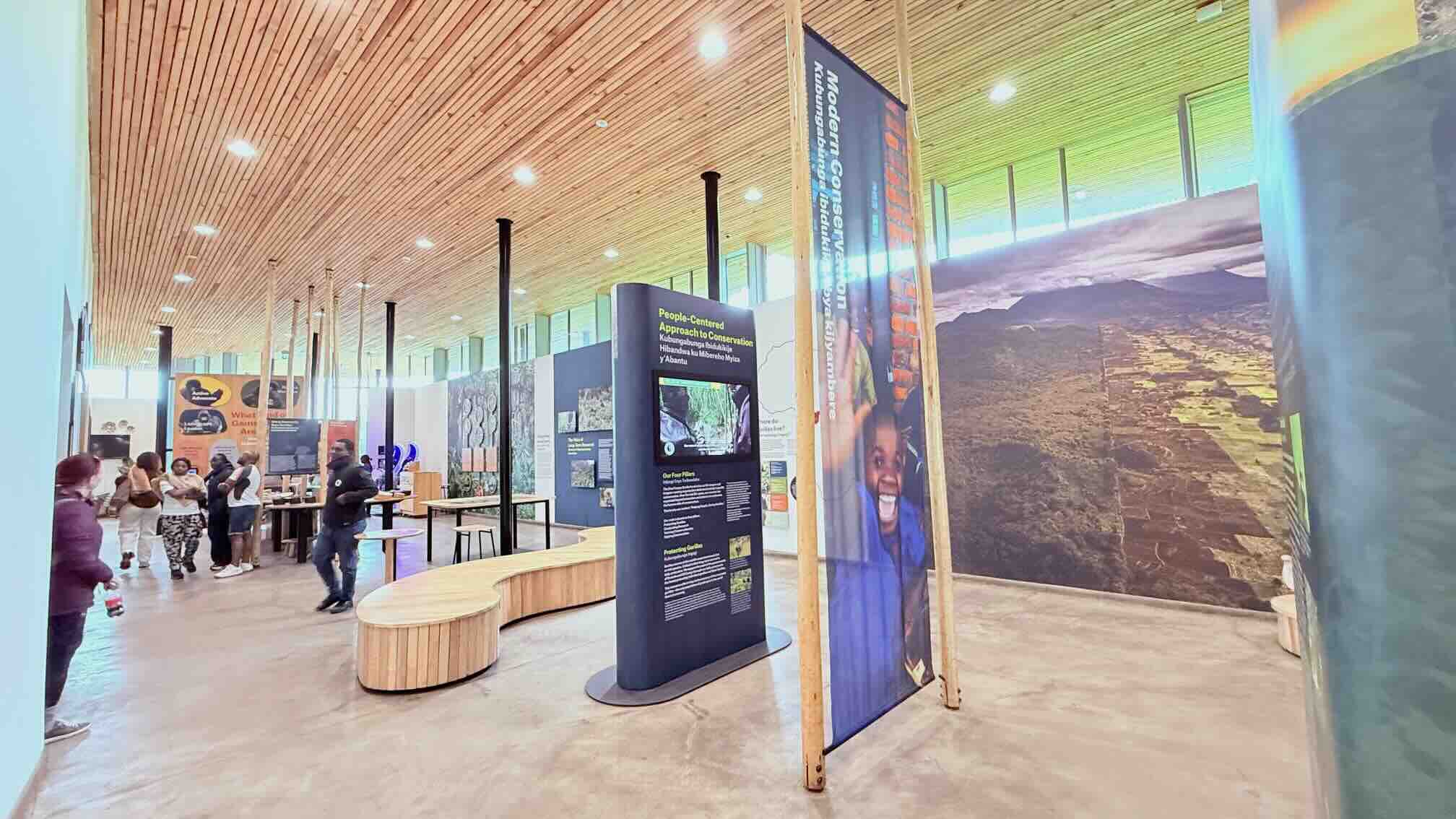
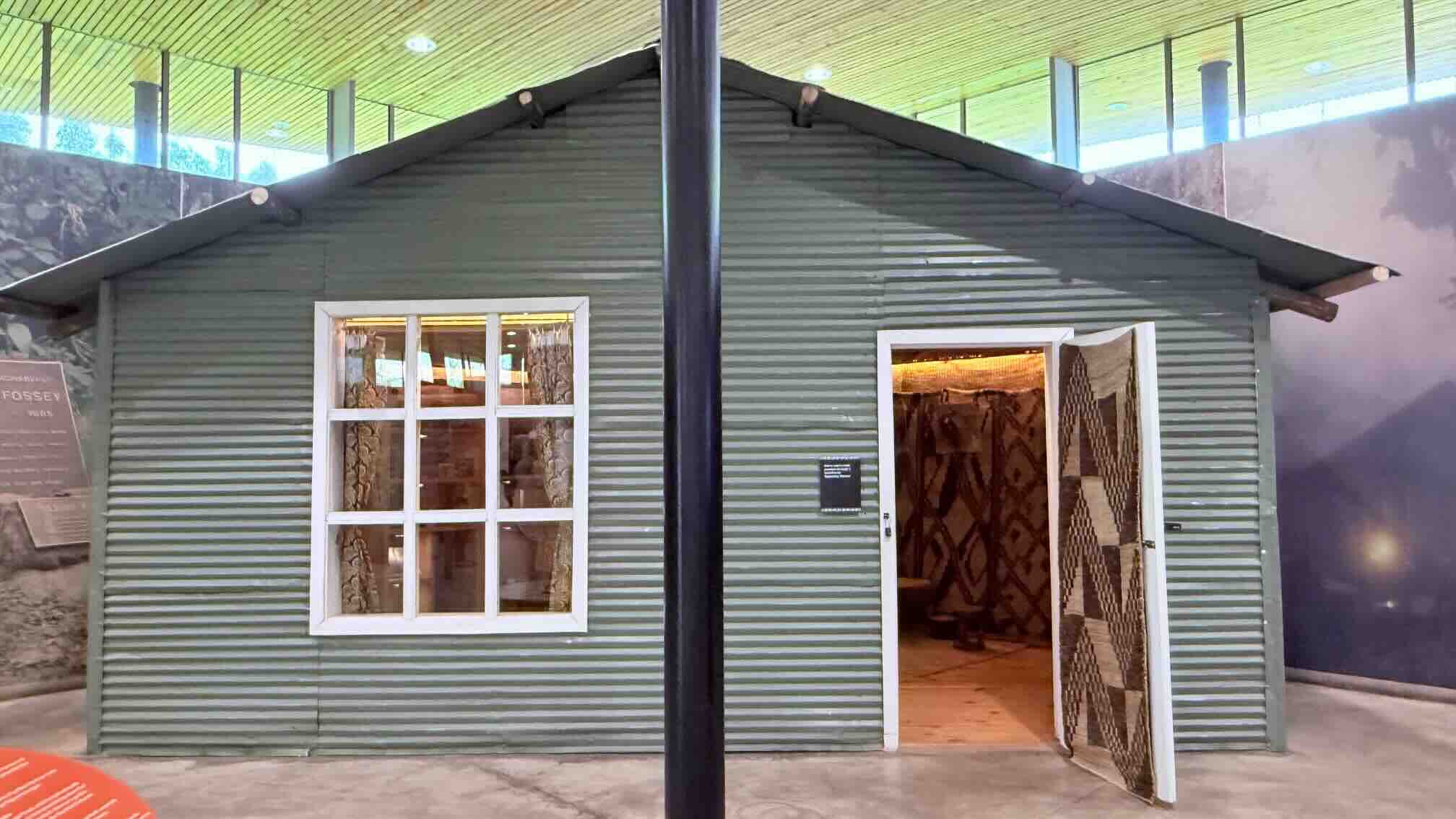
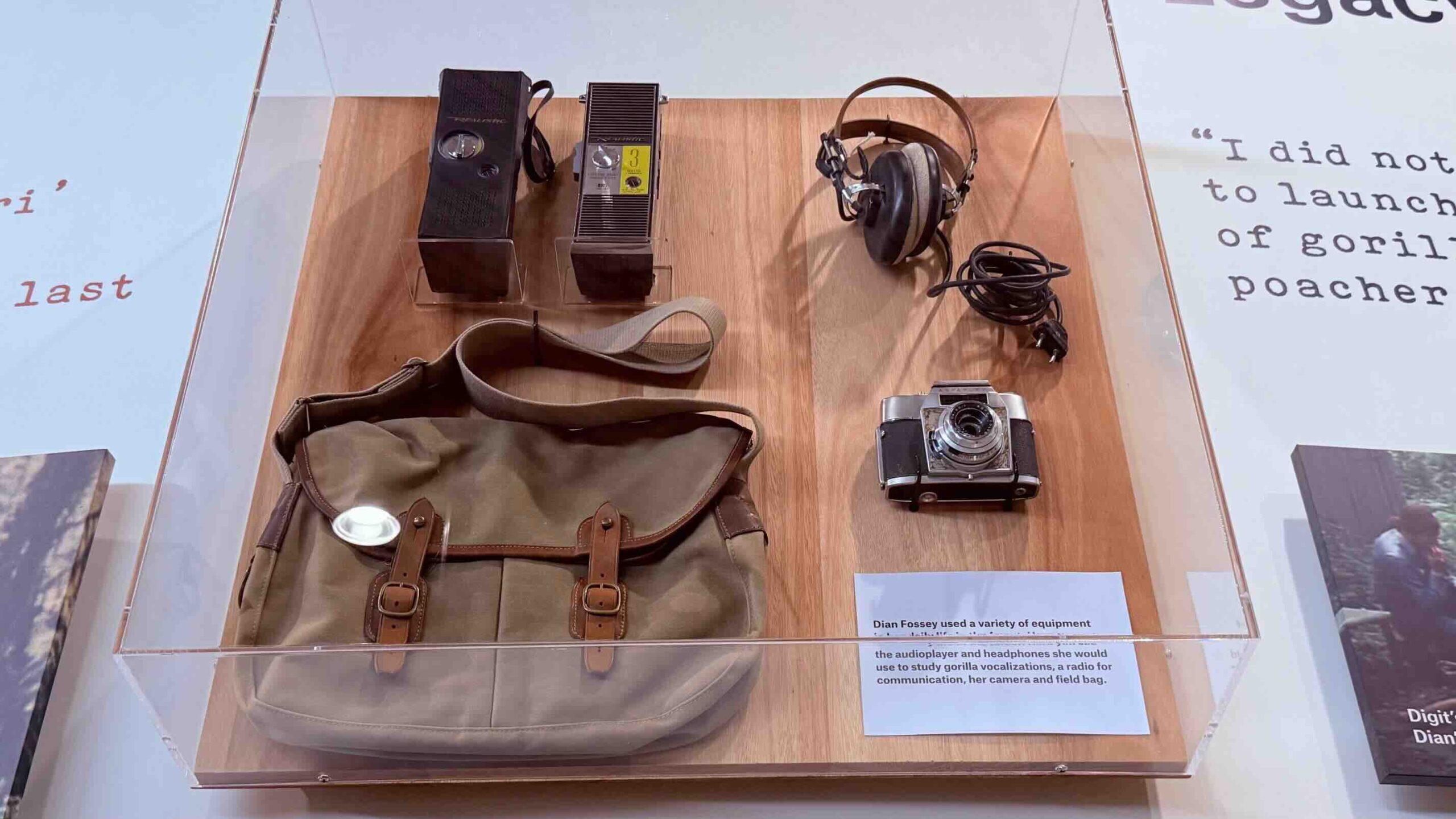
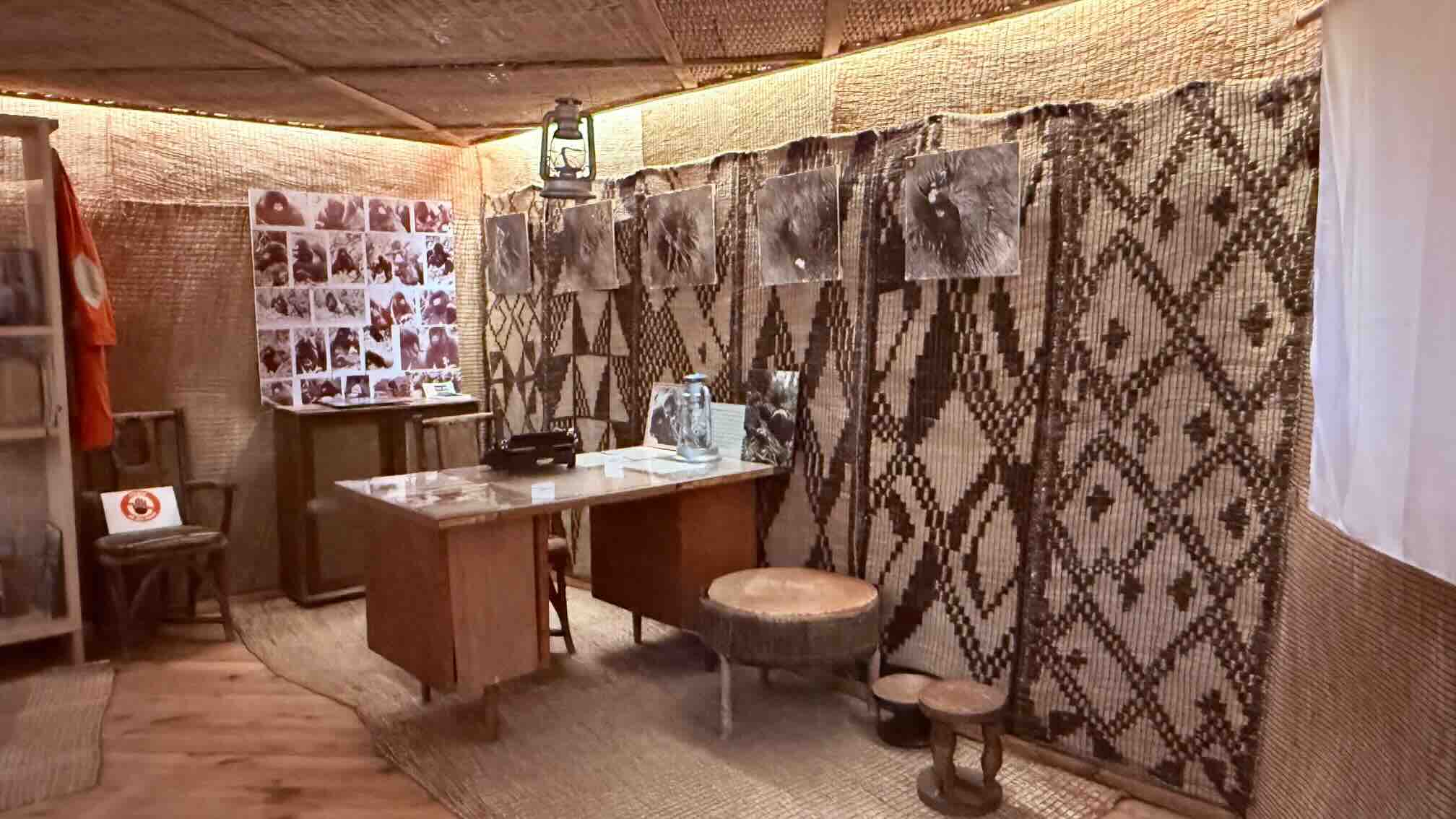
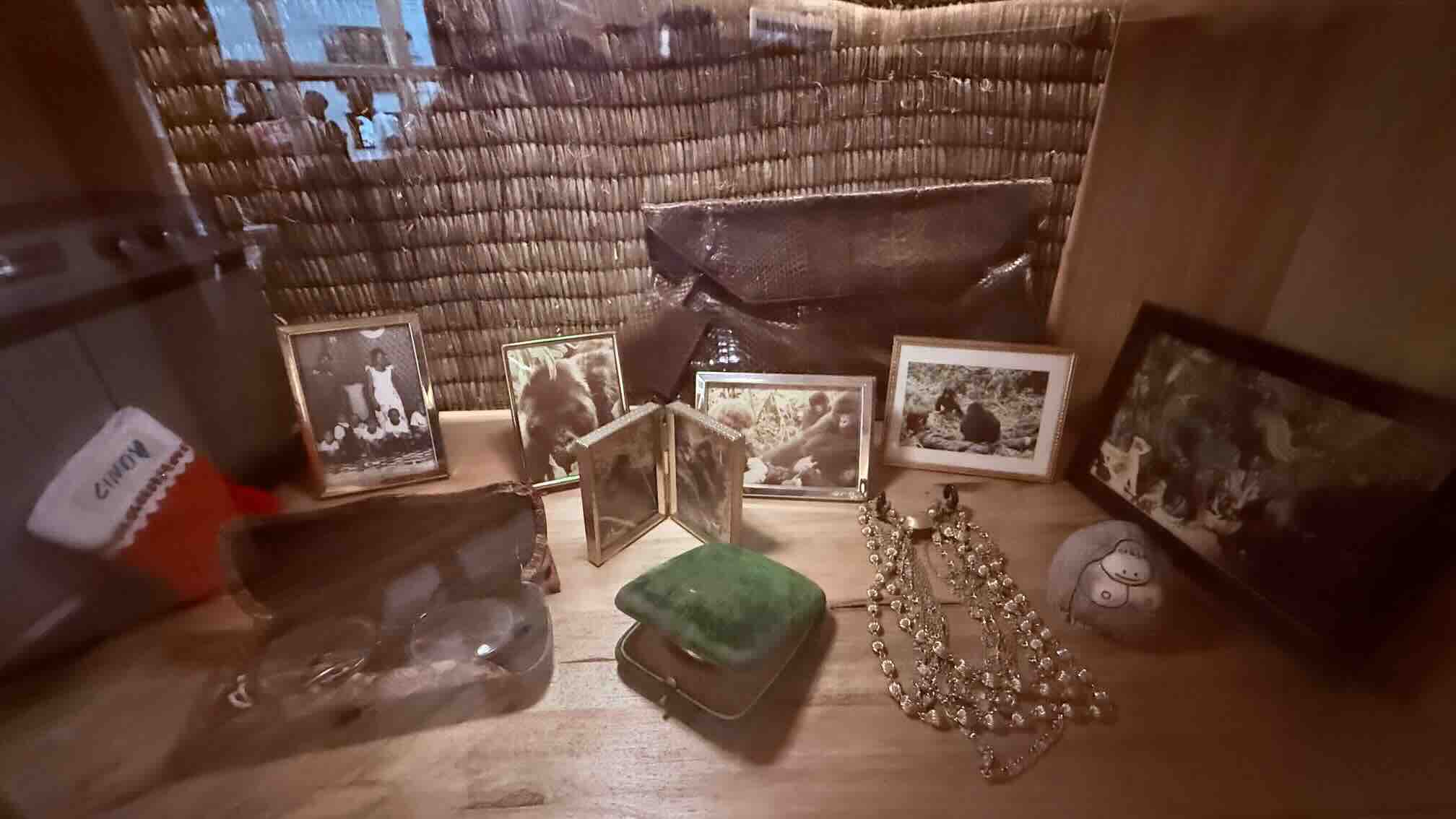
Diane Fossey’s cabin has been recreated within the building (funded by Sigorney Weaver), and many of her personal items and research are on display. The facility is extremely modern and interactive.
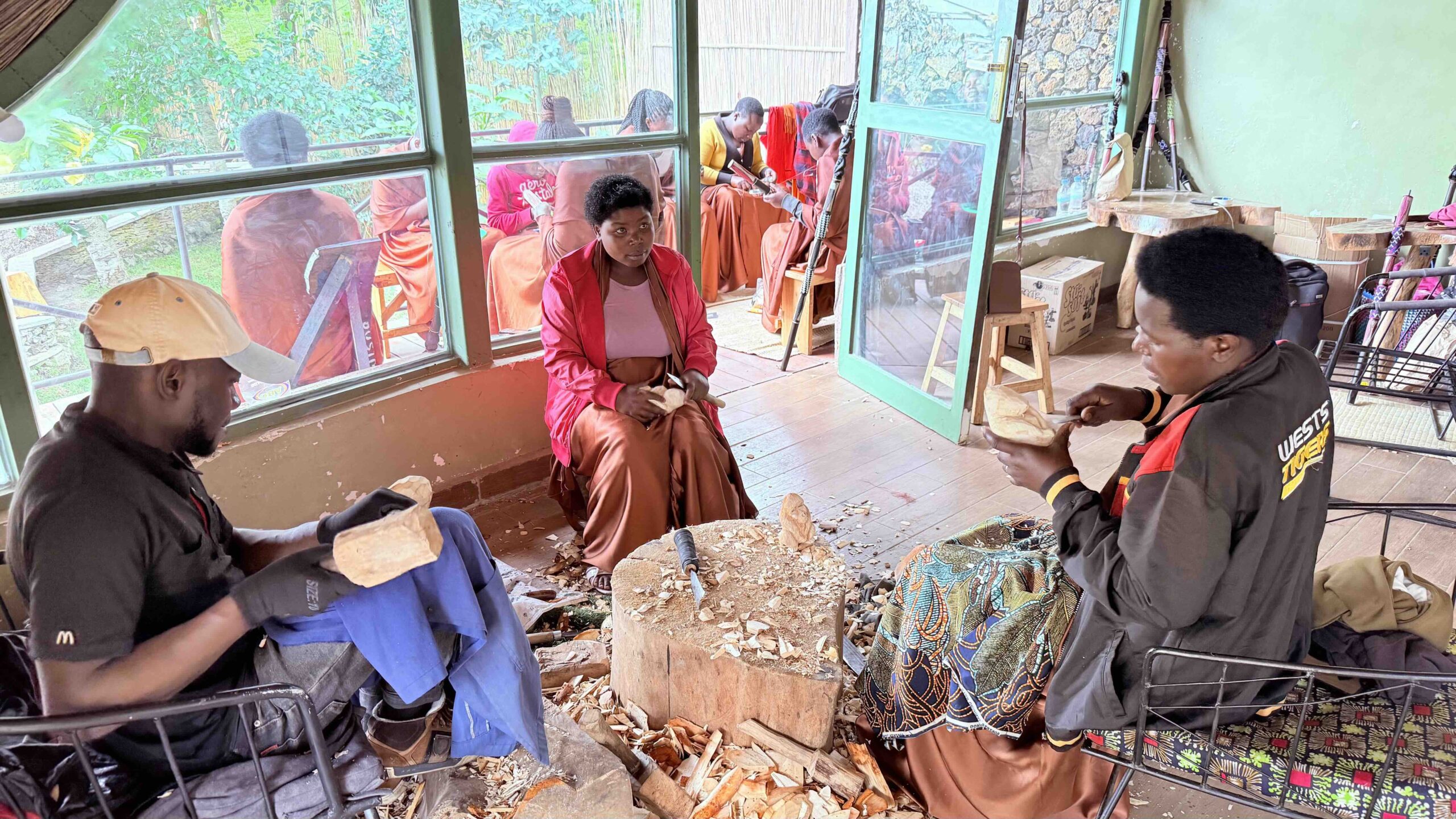
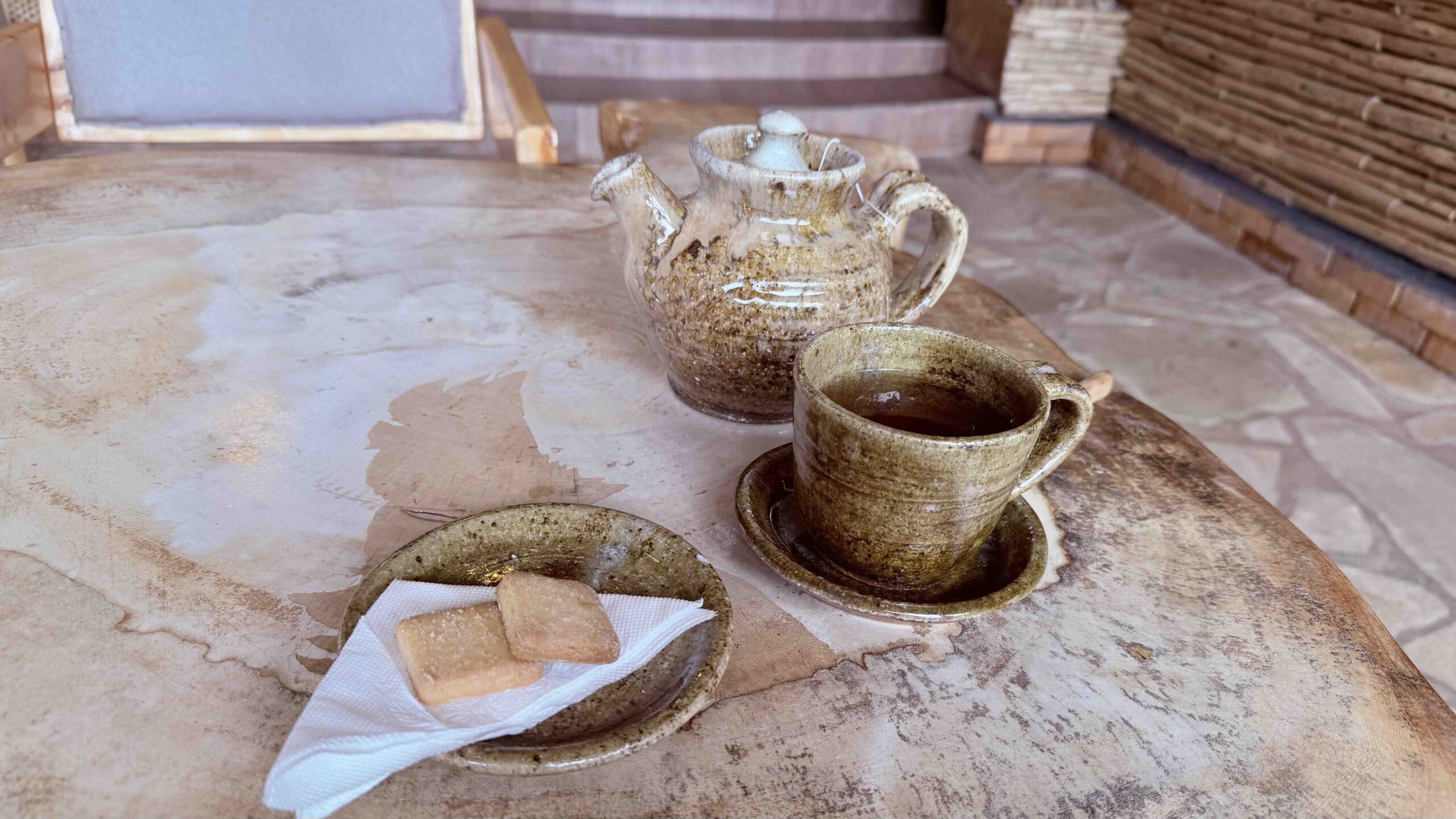
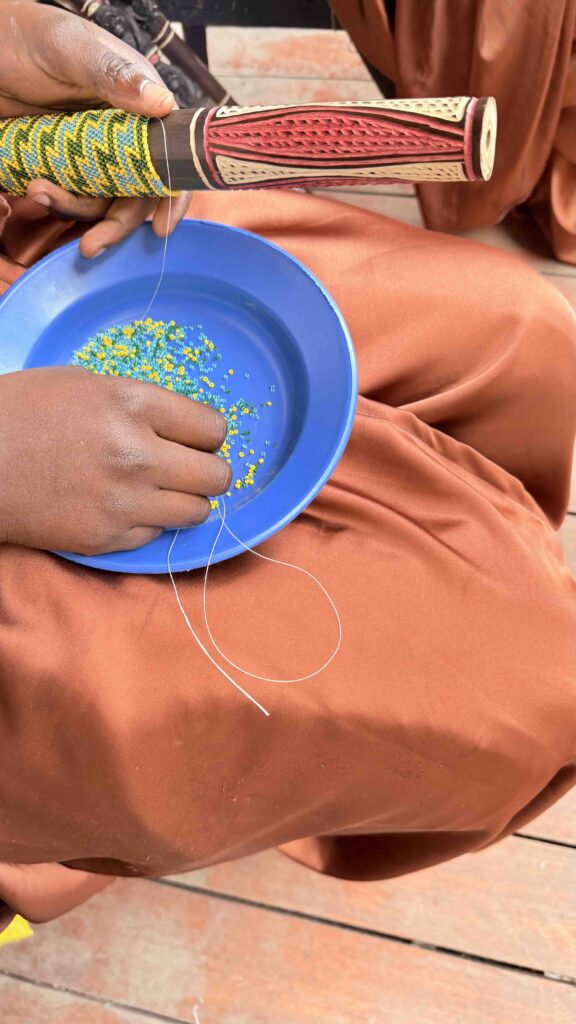
 I recommend visiting here either before or after your trek. The facility showcases a stunning amount of art and crafts created by locals. However, before you shop, you are invited to have your choice of coffee or tea served up in handmade pottery, an example of what is for sale. Then a hostess will guide you through the sections where women are carving, beading, weaving, sewing, etc. In one of the sections, you are treated to a song and dance performance. After this, you can shop to your heart’s content. So many beautiful items to choose from. I walked out with a huge bag of items, and I am still mad at myself for not buying more. It’s a lovely experience to meet the creators.
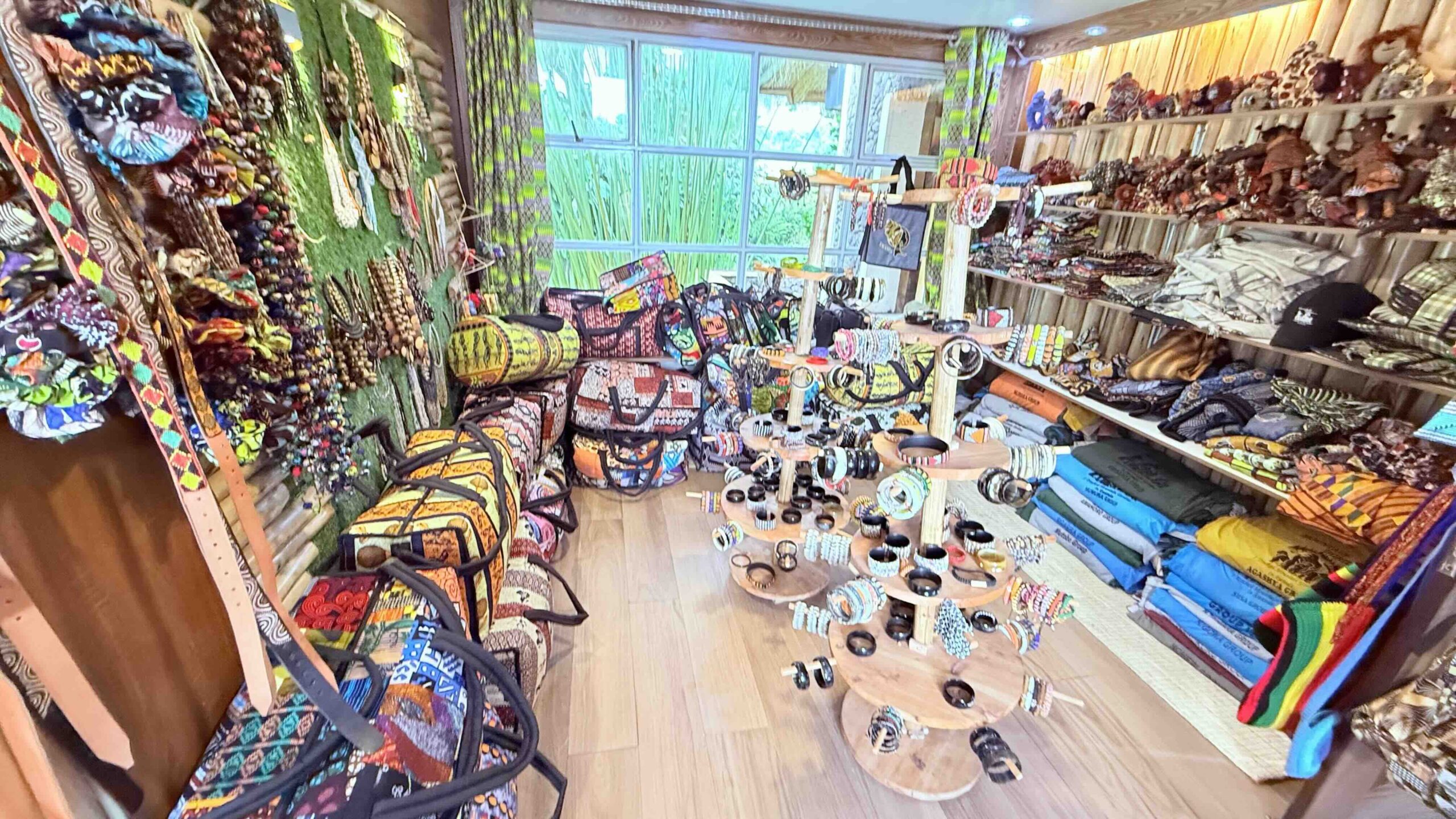
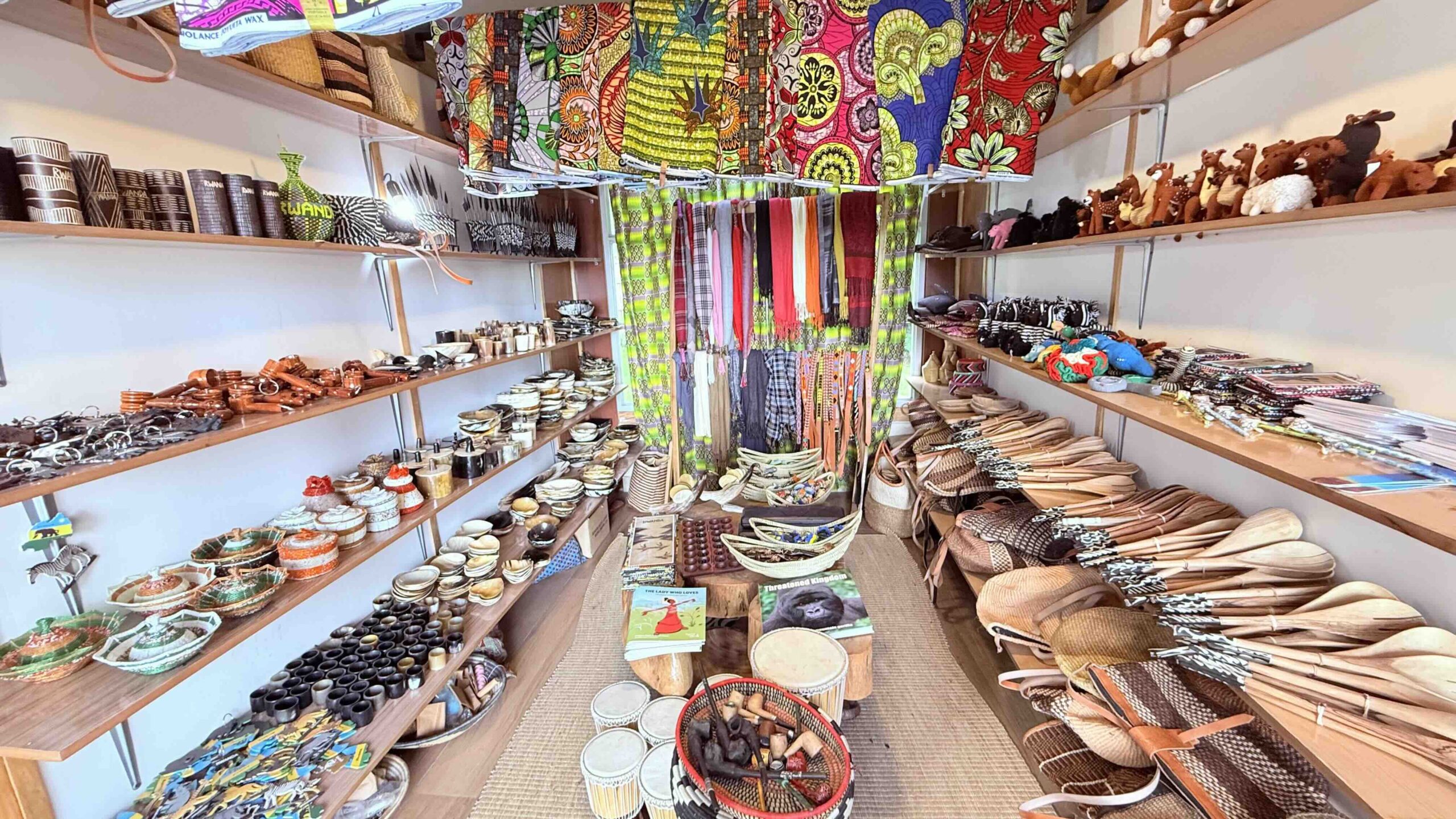
TIP: I bought a walking stick here that is beaded and carved with gorilla likenesses. You can purchase the one you use on your trek (see below). I liked the additional beading, and it twisted apart into three pieces so it was easy to pack.
So back to the subject of this post, here are my Mountain Gorilla Trekking Tips & Info:
- -The cost of a gorilla trek from Volcanoes National Park in Rwanda is 1,500 USD per person, and once you reach the gorilla family, you spend 1 magical hour with them. The gorilla treks from Uganda are 800 USD per person and follow the same procedures as below. Volcano National Park is the only place one can trek to see the Gorillas in Rwanda. Uganda has five locations. Kids have to be 15 years of age to do the trek.
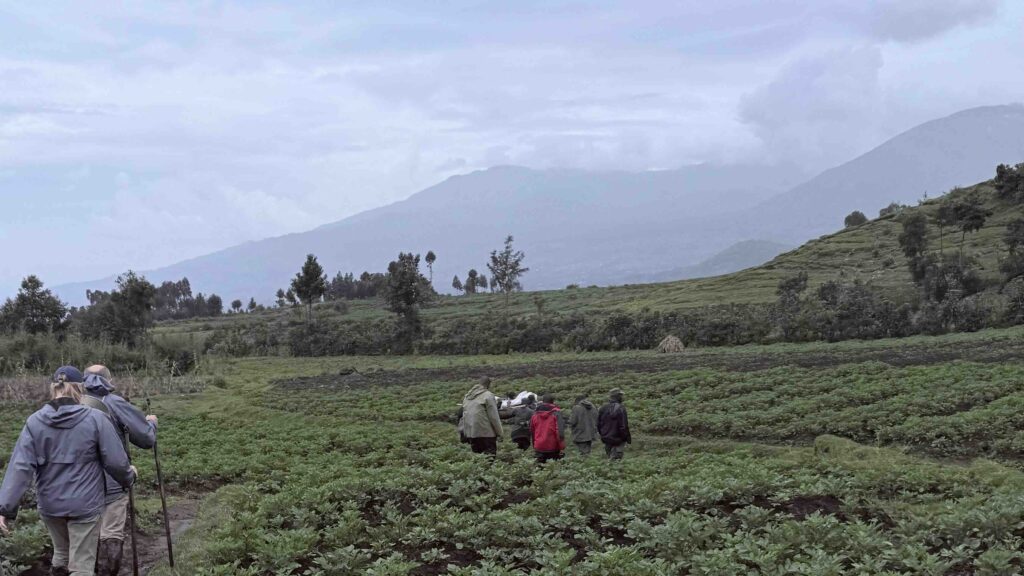
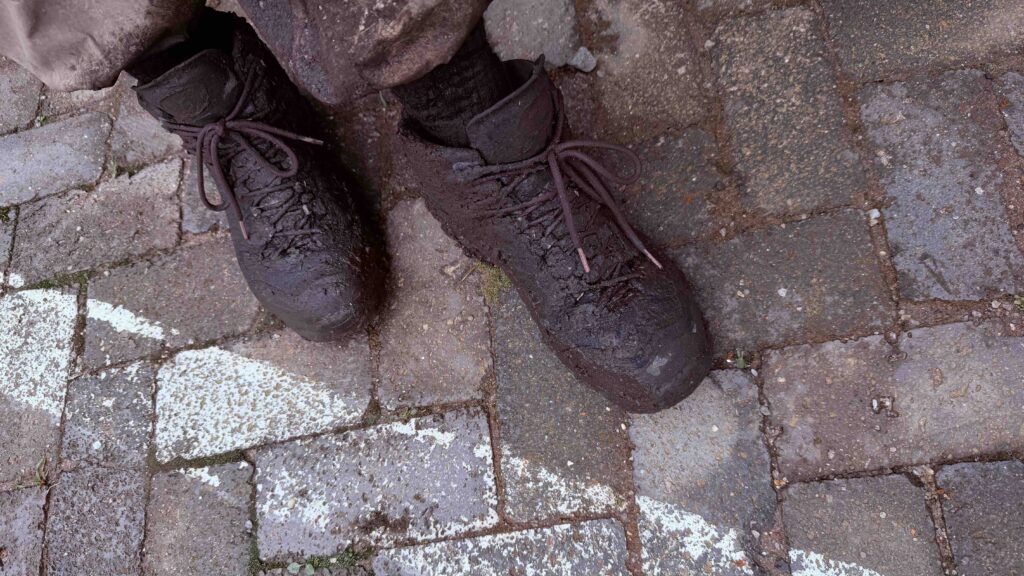
- -Our trek was an arduous 5 hours total. It rained hard the day before, so the mud made it more difficult. There were times we were shin-deep in mud. A good part of the hike is straight uphill. Rangers are in front, hacking out makeshift trails with machetes. Depending upon the time of year and where the gorilla family you are assigned to is located, this can be drier, shorter, or longer. Also, the altitude can affect you. I was mildly lightheaded at one point.
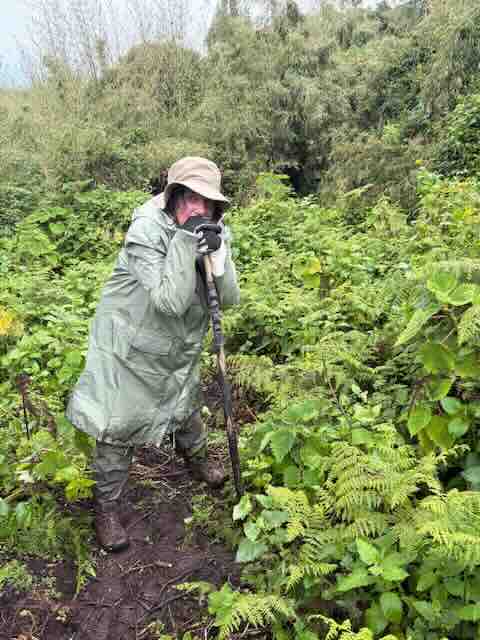
- -The gorillas can move as you are trying to reach them. Gorillas are going to Gorilla. We climbed pretty high, only to have the group scamper downhill just as we located them. So back down we went.
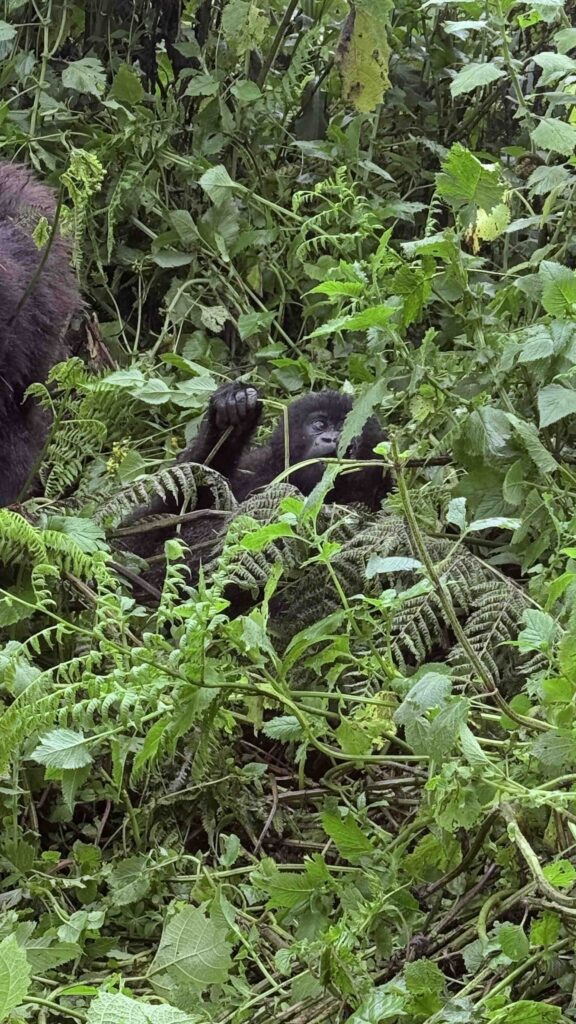
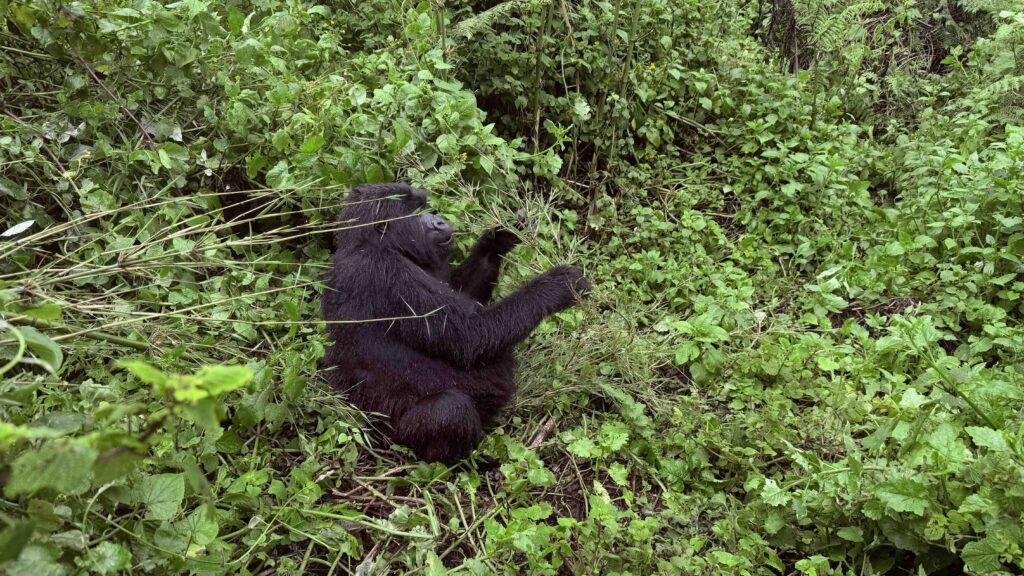
- -There are no more than 8 people in a group of trekkers, and each group is assigned its own gorilla family. Our Gorilla family had nine babies, which was thrilling.
- -You trek with a team: A guide, 2-3 armed rangers, and porters. Several trackers precede the group, locate your assigned family, and guide the group to the gorillas. The rangers are armed because there are other animals in the park, such as elephants, that can be aggressive. No, they do not shoot them, but will shoot in the air to scare them away. We did not encounter any.
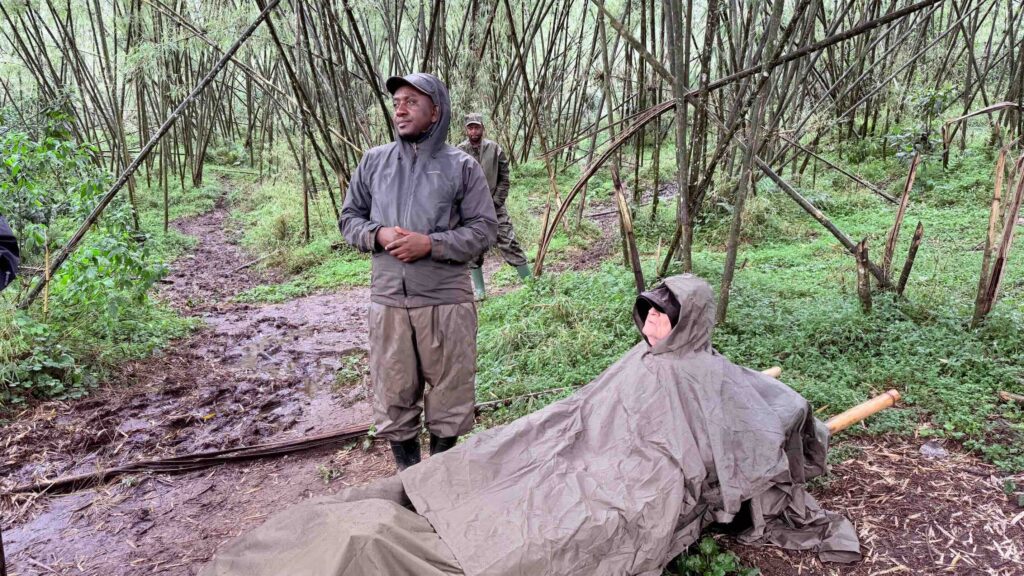
Take the “African Helicopter”
- -If you are not physically able to make the trek, you can take the “African Helicopter”. You will lie comfortably on a stretcher with a pillow and blanket, and several porters will carry you up and down the mountain. (See the 85-year-old gentleman in the photos) The cost for this is approximately an extra 300 USD. Same in Uganda, except instead of lying down, you are sitting up in a chair
- -Porters = an invaluable asset. They carry your backpack and guide you (haul you, if necessary) over the rough and steep parts. Their fee is 20 USD each for the entire trek. More importantly, they are part of the community that borders the park. By hiring one, you are encouraging locals to be conservation stakeholders instead of poaching to feed their families.
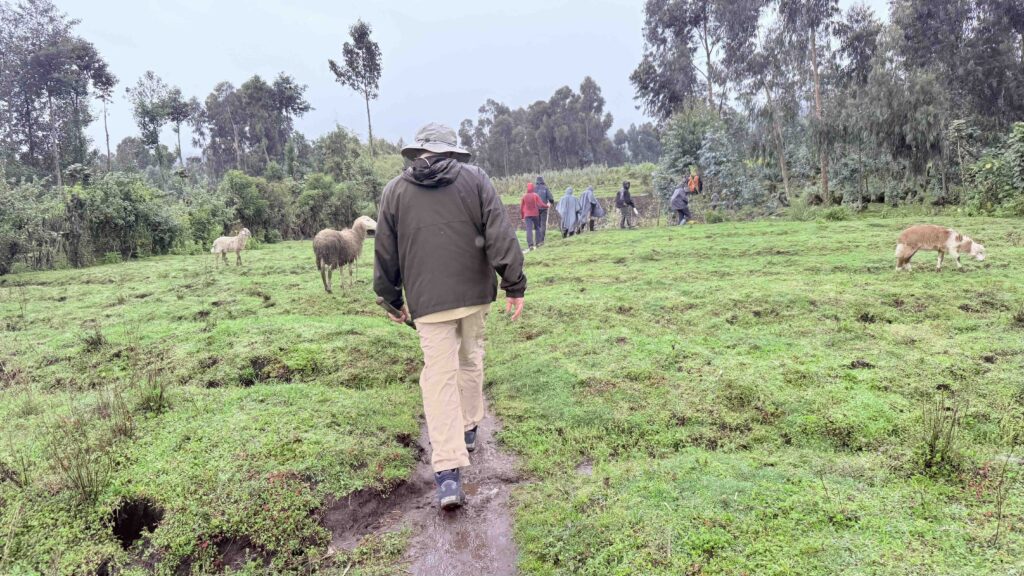
When your group reaches the gorilla family
- , you leave everything (except cameras/phones), including backpacks and walking sticks, with the porters who stay outside the area where the gorillas are. Leave all food behind. You enter with the guide and rangers. The trackers are already with the gorillas.
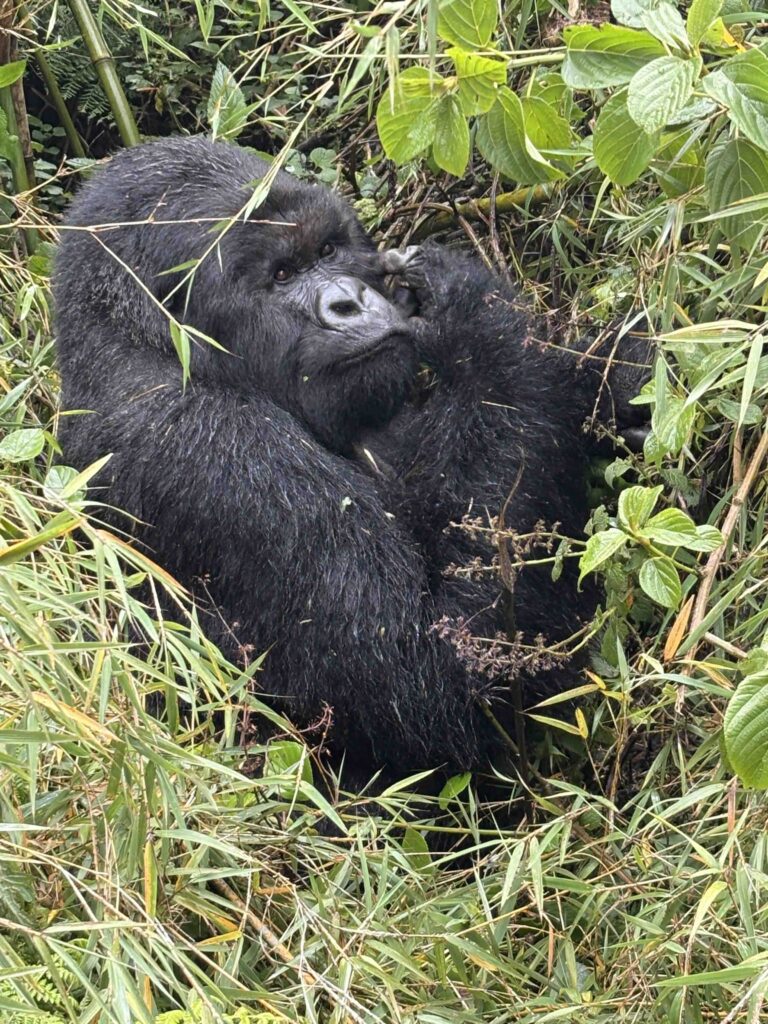
- -You must wear a mask for your hour visit, stay quiet, and maintain the distance from the gorillas the guide tells you to for your safety and theirs. Gorillas are susceptible to catching respiratory and other diseases from humans and, if infected, are hit harder. Even so, you cannot believe how close you get to them.
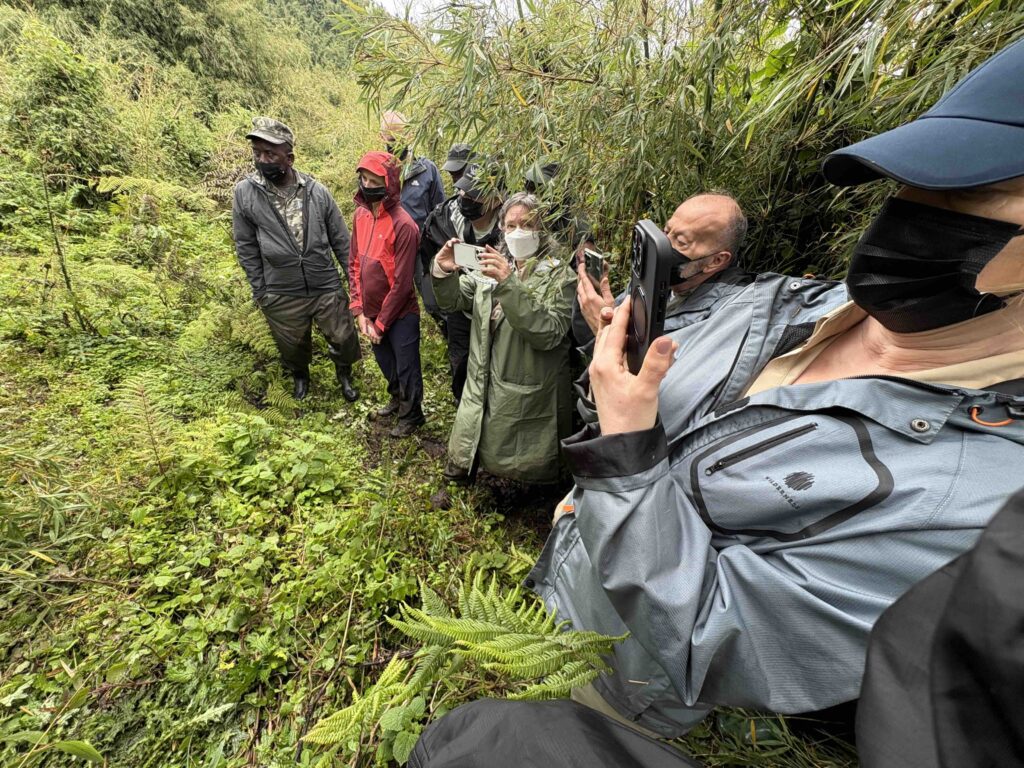
- Do not wear bright colors, specifically red, which apparently can agitate the gorillas. It is also illegal for civilians to wear camouflage. Black clothing can attract tsetse flies.
- Ankle-high sturdy, waterproof hiking boots, a raincoat, gators, a hat, gloves, and quick-dry clothing are essential. They will lend you a walking stick that has a gorilla carved into the top. You can purchase one after the trek. Some hotels have gators to lend out.
- -Tipping is up to each guest. We tipped everyone.
- Depending on your hotel, you might get a packed lunch or snack to take along with you (we gave ours to our porters). Our hotel also removed our boots upon our return and cleaned them for us. The property also offered free foot massages to guests after their trek.
So did you like this post about Mountain Gorilla Trekking Tips & Info? Then also check out this one:

TWO STOPS NOT TO MISS IN MONTREUX, SWITZERLAND
